

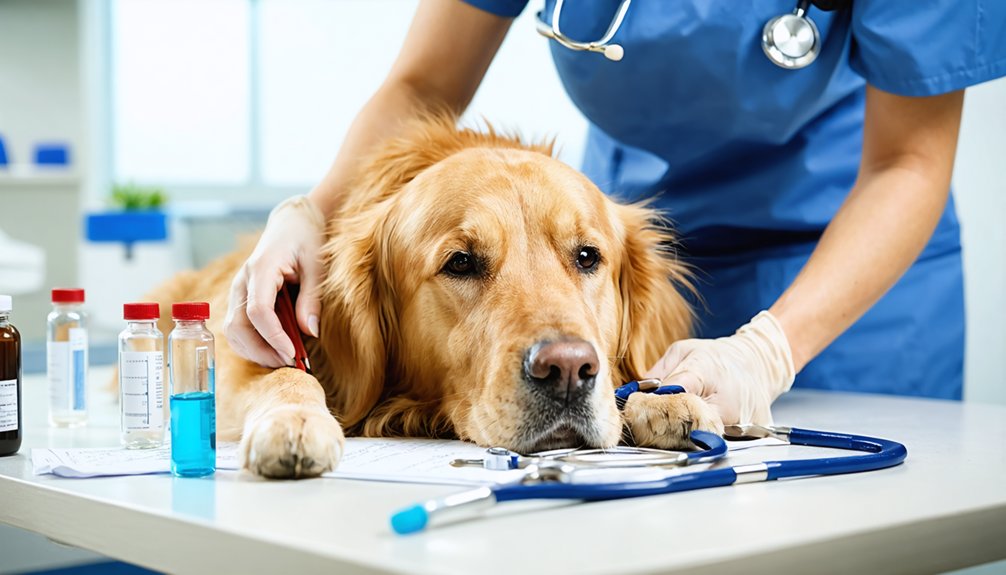

Veterinarians recommend routine wellness exams, bloodwork, urinalysis, fecal parasite tests, heartworm screening, dental checks, and current vaccines to catch silent problems before they become expensive emergencies. These screenings can reveal early kidney disease, urinary issues, intestinal parasites, dental disease, weight changes, and declining organ function while treatment is still simpler and less costly. Puppies and kittens need frequent visits, adults usually yearly, and seniors often every six months, with specific timing and priorities explained below.
Highlights
- Routine wellness exams catch subtle changes early and create baseline data for tracking weight, dental health, organs, skin, joints, and behavior.
- Core preventive screenings include bloodwork, urinalysis, and fecal testing to uncover silent kidney, urinary, parasite, and metabolic problems.
- Annual heartworm testing is recommended even on prevention, because missed doses, resistance, and mosquito exposure can allow hidden infections.
- Vaccinations, boosters, dental cleanings, and parasite prevention usually cost far less than emergency treatment, hospitalization, or long-term medication.
- Screening frequency matters: young pets need frequent early visits, adults yearly exams, seniors every six months, and chronic cases regular rechecks.
Why Preventive Pet Screenings Save Money
Why do preventive pet screenings save money so consistently?
A basic cost‑effectiveness analysis shows that an annual preventive visit costs far less than emergency surgery, hospitalization, or years of medication for chronic disease.
Vaccinations are especially high-value, helping families avoid diseases such as parvo or kennel cough that can cost hundreds or thousands to treat.
Dental cleanings and parasite prevention also reduce the chance of expensive interventions later. Regular wellness exams support early detection, allowing vets to catch problems before they become emergencies. Annual bloodwork can identify chronic disease such as kidney disease or diabetes early, when management is often far less expensive than crisis treatment.
At some clinics, a routine care bundle with vaccines and tests costs about $199, making prevention a practical financial choice. In Western markets, strong demand for preventive care reflects how owners increasingly invest in regular screenings and wellness services before problems become costly.
Wellness plans strengthen those savings.
Monthly fees of roughly $15 to $33 can reimburse $250 to $800 yearly, while insurance incentives such as annual heartworm-test reimbursement help members stay on track and feel supported in responsible pet care.
Routine Wellness Exams Catch Problems Early
How often do serious pet health problems begin with changes that seem minor at home? Routine wellness exams help veterinarians detect subtle warning signs, including appetite shifts, increased thirst, weight change, bathroom habit differences, unusual lumps, or persistent scratching. Because pets often hide illness, tracking routine and behavior during scheduled visits supports earlier intervention and better outcomes. Pets naturally mask discomfort as a survival instinct, which is why subtle issues so often go unnoticed until they become more advanced. Early detection of conditions like arthritis, kidney disease, thyroid imbalance, and diabetes can improve treatment options. These visits also provide baseline health data that veterinarians can use to compare changes over time.
A nose-to-tail exam reviews eyes, ears, mouth, skin, joints, abdomen, heart, lungs, temperature, pulse, respiration, weight, and body condition. Oral checks also identify dental hygiene concerns such as plaque and tartar. Annual fecal testing, yearly heartworm tests for dogs, urinalysis, vaccine review, and parasite screening add preventive value. Exam frequency varies by age, breed, and lifestyle, while guidance on hygiene diet helps families feel supported and informed together.
Blood Tests Reveal Hidden Organ Issues
Beyond the physical exam, blood testing can uncover organ problems that are not yet visible at home or during a routine visit.
A standard blood panel helps veterinarians evaluate organ health by measuring creatinine, blood urea nitrogen, electrolytes, and sometimes cystatin C. Because electrolyte balance is critical for fluid, nerve, muscle, and heart function, abnormal sodium or potassium levels can offer additional clues about kidney health.
These markers can reveal how well the kidneys are filtering waste before outward signs appear.
Creatinine reflects muscle metabolism, and elevated levels may suggest reduced waste removal.
BUN adds perspective by showing whether urea is building up in the bloodstream.
eGFR, calculated from creatinine along with age, sex, weight, and height, estimates kidney function; values below 90 deserve attention, while 60 or lower may indicate disease. Vets may also interpret results using eGFR stages to judge severity and plan follow-up.
Electrolyte changes can also point to filtration problems, helping care teams make earlier, more informed decisions for pets together. A urine test may also check for protein in urine, which can signal kidney damage even when filtration numbers still seem normal.
Urinalysis Spots Kidney and Bladder Changes
A simple urinalysis can reveal early kidney and bladder changes that a physical exam may miss. It combines gross assessment, dipstick chemistry, and microscopic sediment review to catch problems early.
For pet families wanting to stay ahead of costly illness, this screening helps veterinarians detect urinary tract infections before symptoms escalate. For the most accurate results, urine should be checked within two hours of collection or kept refrigerated because timing matters.
Bacteria, white blood cells, pus cells, and leukocyte esterase can indicate infection, while Urine pH adds clues, especially when alkaline urine suggests urea-splitting organisms. Urine that looks frothy or foamy may also suggest excess protein leaking through damaged kidneys.
Urinalysis also highlights structural and kidney concerns.
Protein on a dipstick may signal early kidney damage, even when pets still seem well.
Red blood cells, casts, or abnormal epithelial cells can point to stones, inflammation, or more serious urinary disease.
Crystal identification matters too: uric acid crystals tend to form in acidic urine, while struvite and phosphate crystals are linked to alkaline urine and infection.
Parasite Screenings Find Worms Before Symptoms
Why wait for visible illness when routine parasite screening can detect intestinal worms and protozoa before pets show clear symptoms?
Fecal testing offers an internal snapshot, finding infections before irritation, diarrhea, anemia, weight loss, or behavior changes become obvious. These simple screenings are typically non-invasive procedures, often requiring only a stool sample or small blood sample.
Because many pets are asymptomatic carriers, screening also helps protect other household animals and people from zoonotic exposure.
Veterinarians use fecal flotation, centrifugal methods, and antigen testing to identify roundworms, hookworms, whipworms, Giardia, Cystoisospora, and Coccidia. Antigen testing can also detect pre-patent infections before parasites begin shedding eggs. Early identification supports early treatment, which can reduce disease severity and help prevent more serious complications.
Evidence supports improved wormorm detection: an IDEXX review of 898,300 samples found antigen testing detected twice as many infections as flotation alone.
Puppies need several exams in the first year, while adult dogs benefit from testing every six months and at least annually during wellness visits, regardless of indoor lifestyle or apparent health.
Heartworm Testing Matters Even on Prevention
Even when pets receive heartworm prevention year-round, annual testing remains standard because no preventive is 100% effective and infections can develop after missed doses, delayed administration, drug resistance, or ongoing mosquito exposure.
The American Heartworm Society recommends testing every 12 months with year-round prevention. This testing timing matters because infections may stay silent for months while causing lasting lung and heart damage. Annual screening can identify infection earlier, when treatment is safer, shorter, and more successful. Blood testing is also important before starting or restarting preventives, since these medications do not kill adult worms and may cause reactions in infected, microfilaremic dogs. Regular screening supports resistance monitoring by identifying possible breakthrough infections and helping veterinarians protect pets, households, and communities as heartworm risk continues to rise in every state.
Vaccines and Boosters Prevent Costly Illness
Preventive screening works best alongside timely vaccines and enhancers, which reduce the likelihood of severe, expensive illness before treatment is ever needed. Evidence from human medicine shows why this matters: immunization programs have prevented millions of hospitalizations and deaths, while providing strong vaccination economics through lower treatment costs and fewer complications.
That same logic guides veterinary care. Core vaccines and scheduled boosters help maintain protection as immunity wanes, lowering the chance of emergency visits, intensive treatment, or lasting damage from preventable infections. Booster ROI is especially relevant for pets with chronic conditions or higher exposure risk, where prevention can avert severe outcomes and support steadier household budgets. For families who want their pets included in a healthy routine, staying current on vaccines is one of the most credible, cost‑conscious protections available.
Senior Pet Screenings Need a Tighter Schedule
As dogs and cats move into the senior stage—typically around age 7, and as early as 5 to 6 for larger breeds—the screening schedule usually needs to tighten to match faster biological aging. In this life stage, subtle changes can signal kidney disease, diabetes, thyroid imbalance, arthritis, or hypertension before symptoms become obvious.
Veterinary senior exams typically combine a full physical assessment with bloodwork, urinalysis, blood pressure checks, mobility review, and dental hygiene screening. Tracking weight, muscle tone, skin, coat, heart, lungs, joints, and abdominal changes helps identify trends early. Lab panels such as CBC, chemistry values, and kidney markers can reveal silent problems in otherwise normal-appearing pets. These findings also help clinicians refine treatment plans, support a senior diet, and address chronic conditions sooner, helping pets stay comfortable and connected at home.
How Often Pets Need Each Screening
Generally, screening frequency follows a pet’s age, health status, and risk profile rather than a single fixed timetable.
Puppies and kittens usually need wellness exams every 3 to 4 weeks until 16 weeks, then every 3 to 4 months until age one. Early visits commonly include baseline bloodwork, urine testing, vaccinations, parasite prevention, growth checks, and Nutrition timing guidance.
For adult pets, annual wellness exams and yearly diagnostics are standard, including bloodwork, fecal testing, physical exams, dental review, weight tracking, organ function checks, and Exercise assessment.
Senior pets, often beginning around age 7 or earlier in large breeds, typically benefit from exams and bloodwork every 6 months.
Pets with chronic conditions may need rechecks every 3 to 4 months, with schedules individualized by the veterinarian.
Which Pet Health Screenings to Book First
Which screenings should be booked first often depends on a pet’s age, lifestyle, and medical history, but most veterinary plans begin with a thorough physical examination, basic bloodwork, fecal testing, and urinalysis. Together, these establish a baseline and uncover silent problems before treatment becomes more complex or costly.
A physical exam reviews eyes, ears, skin, weight, joints, heart, lungs, and mouth, making dental checkups part of early prevention. Bloodwork helps detect anemia, infection, diabetes, thyroid, kidney, or liver concerns and supports medication and anesthesia safety. Fecal testing identifies worms and protozoa and confirms parasite prevention is working. Urinalysis can reveal hidden urinary or kidney issues, especially in senior pets. For dogs, annual heartworm and tick-borne disease testing is commonly prioritized alongside nutrition wellness discussions to support long-term, community-minded care.
References
- https://mynhvet.com/preventative-care-for-pets-why-regular-check-ups-matter/
- https://www.thevetiverse.com/en/latest/preventive-care-wellness-diagnostic-screening-in-dogs-and-cats-what-and-when/
- https://vcahospitals.com/know-your-pet/preventive-health-care-guidelines-for-dogs
- https://www.petsmartvetsmyrna.com/blog/a-guide-to-preventive-pet-care/
- https://zippivethutto.com/news/proactive-health-screening
- https://www.vetspecialists.com/vet-blog-landing/the-vet-specialists-blog/2024/10/10/the-importance-of-preventative-care-how-collaboration-between-primary-care-vets-and-veterinary-specialists-keeps-pets-healthy
- https://vth.vetmed.vt.edu/animal-care-tips/pet-preventive.html
- https://www.southcherokee.net/blogs/top-5-preventive-screenings-every-senior-pet-needs
- https://www.hvcvets.com/blogs/top-5-preventive-screenings-every-senior-pet-needs/
- https://kadence.com/en-us/knowledge/global-trends-in-preventive-healthcare-for-pets/