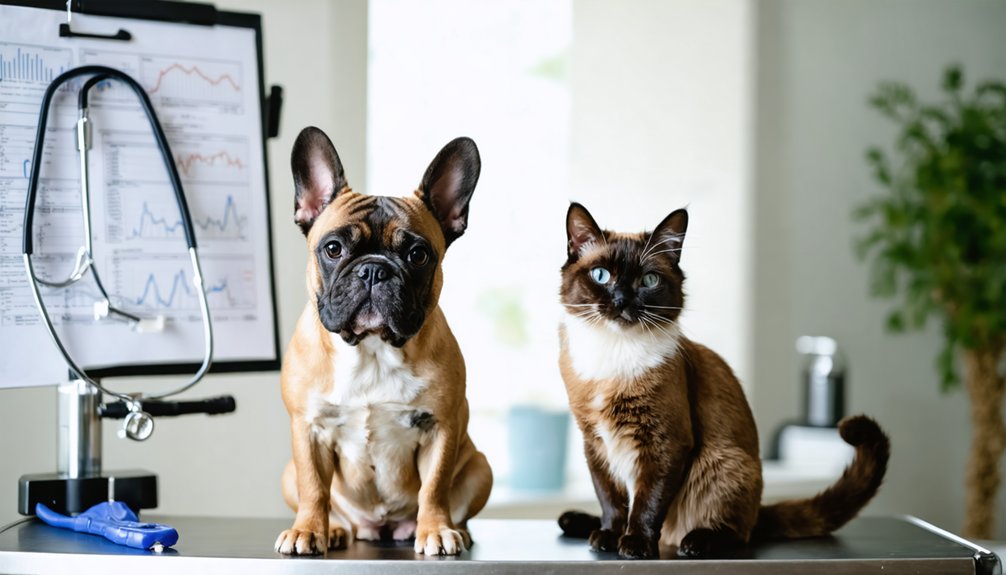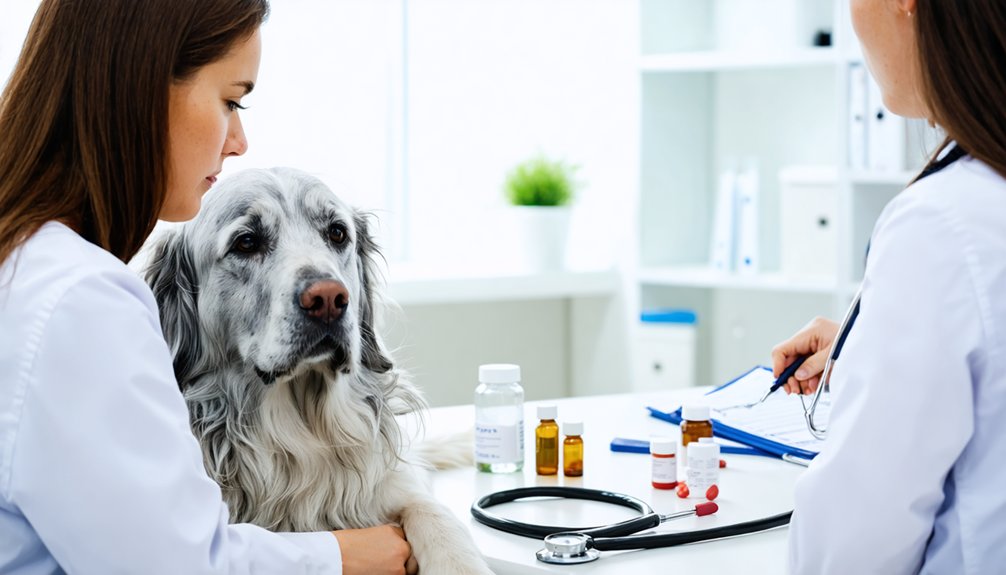
Pet insurance generally covers chronic conditions, prescriptions, and repeat vet visits only when the illness is first diagnosed after enrollment and after the waiting period ends. Covered chronic issues may include diabetes, allergies, asthma, cancer, and other lifelong conditions, with reimbursement usually applied to follow-up exams, blood work, medications, and ongoing treatment. Pre-existing conditions and related symptoms are typically excluded. Coverage details vary by insurer, including limits, deductibles, and re-coverage rules for curable conditions.
Highlights
- Pet insurance generally covers chronic conditions only if they’re first diagnosed after enrollment and after all waiting periods end.
- Symptoms noted before enrollment or during waiting periods are usually labeled pre-existing and excluded, including related future complications.
- Repeat vet visits for covered conditions, including follow-ups and monitoring, are typically reimbursable after deductible, coinsurance, and policy limits.
- Prescriptions are usually covered when they treat a covered accident or illness, and some plans also reimburse prescription diets or supplements.
- Chronic-care coverage varies by plan, so compare reimbursement rates, annual limits, waiting periods, and coverage for tests, medications, and therapies.
What Pet Insurance Counts as Chronic
What counts as a chronic condition in pet insurance? Insurers generally define it as a detectable, incurable, lifelong illness that persists, recurs, or flares over time and needs management rather than a cure.
Common canine examples include allergies, arthritis, diabetes, epilepsy, hip dysplasia, heart disease, and cancer.
In cats, kidney failure, hyperthyroidism, diabetes mellitus, allergies, and chronic respiratory or skin disorders are typical. Chronic care can involve monthly costs for medications, blood work, and follow-up visits that add up quickly.
Coverage usually applies only if the condition is diagnosed after enrollment and any waiting period has passed. Some providers, including AKC Pet Insurance, may cover certain pre-existing chronic issues after 365 days of continuous coverage. Curable issues such as ear infections, urinary tract infections, respiratory infections, or vomiting and diarrhea may resolve fully.
By contrast, arthritis, allergies, cancer, and disc disease are treated as ongoing. Symptoms seen before enrollment or during waiting periods are usually classified as pre-existing.
These definitions shape insurance policy limits and shared expectations across pet-owning communities today.
When Pet Insurance Covers Chronic Conditions
Most pet insurance plans cover chronic conditions only when the illness is first diagnosed after enrollment and after the policy’s waiting period has ended. That timing determines whether diagnostics, medications, blood work, follow-up visits, and ongoing treatment can be reimbursed under the policy. Common covered conditions include allergies, diabetes, glaucoma, hypothyroidism, obesity-related disorders, respiratory disease, dry eye, urinary disease, and cancer. Early diagnosis can help create a tailored treatment plan for lifelong management.
Early enrollment supports cost mitigation by reducing the chance that symptoms appear before coverage begins. Many insurers also continue covering monthly management costs that can reach hundreds of dollars, subject to policy limits and reimbursement terms. Some providers reimburse first diagnostic visits and ongoing monitoring, while others may cover recurring conditions after defined symptom-free periods. Insurers typically review veterinary records at claim time to determine whether a condition qualifies as pre-existing. Most pet insurance plans do not cover pre-existing conditions. Even with a chronic diagnosis, future unrelated illnesses and accidents may still qualify.
Why Pre-Existing Conditions Are Excluded
The rule also supports fair pricing across the insured community.
Without it, owners could wait to enroll until a pet developed diabetes, allergies, arthritis, or a torn cruciate ligament, increasing costs for everyone.
During policy underwriting, insurers review medical records for documented or undocumented signs, including vomiting, paw licking, or bilateral issues affecting one side before enrollment. Most pet insurers also treat any condition diagnosed or treated during the waiting period as pre-existing. These pre-existing conditions are excluded from coverage, along with related conditions that stem from them. Insurance is designed to cover future events, not conditions or symptoms that existed before the policy began.
Pets with exclusions can still join and receive coverage for unrelated new conditions, helping families stay included in care.
Which Chronic Conditions Pet Insurance Covers
Coverage for chronic conditions depends on whether the illness is newly diagnosed after enrollment and the waiting period, not simply on its long-term nature.
Across major insurers, covered examples include Addison’s disease, Cushing’s disease, diabetes, cancer, allergies, asthma, dry eye, and certain chronic respiratory conditions. Most insurers treat these as uncovered if they were present before the policy began because they are considered incurable pre-existing conditions.
MetLife, Healthy Paws, Figo, AKC, and ASPCA each apply different rules, reimbursement rates, and coverage limits.
MetLife may reimburse up to 90% for allergies and asthma, while Healthy Paws includes diabetes, blood work, dry eye, and cancer diagnosed after enrollment.
Figo emphasizes policy flexibility through customizable plans and broad veterinarian access.
AKC may cover some curable or incurable pre-existing conditions after continuous coverage milestones.
ASPCA may later cover some cured conditions under the policy, helping pet families compare options more confidently together.
How Pet Insurance Handles Repeat Vet Visits
Repeat vet visits are handled differently depending on why the pet returns and whether the original condition is eligible under the policy.
When a covered illness, injury, surgery, or emergency leads to follow-up appointments, insurers commonly treat post-operative checks, monitoring, and related urgent rechecks as part of covered treatment. Most plans also require the policy to be active past any waiting period before those repeat emergency-related visits can qualify for reimbursement.
Reimbursement often reflects the plan’s deductible and co-insurance terms, while overnight observation and diagnostics may also qualify. Standard accident-and-illness coverage can also apply to primary, specialty, and emergency visits related to diagnosing or treating a covered condition. However, the actual visit fee add-on may still be required for reimbursement of the exam or consultation portion of those repeat appointments.
Does Pet Insurance Cover Prescriptions?
Often, pet insurance does cover prescriptions, but only when a licensed veterinarian prescribes the medication for a condition the policy covers.
In practice, policy coverage usually includes drugs for accidents, illnesses, infections, allergies, diabetes, pain, anxiety, and some take-home supplements or prescription foods tied to new medical needs. Some plans also cover vet-prescribed therapeutic pet food when it is used to manage a covered medical condition.
Coverage depends on plan type, formulary rules, deductibles, reimbursement rate, and policy limits. Some policies offer annual benefit options of $5,000, $10,000, or $20,000.
Accident-only plans generally cover medications linked to covered injuries, while accident and illness plans extend further.
Insurers typically exclude pre-existing conditions, non-veterinary prescriptions, cosmetic uses, and routine preventatives unless a wellness add-on applies.
Most claims require pet owners to pay first, then submit the veterinary prescription and diagnosis for approval.
This helps families compare plans with clearer expectations and fewer surprises later.
What Chronic Care Costs Are Reimbursed
Which chronic care expenses are typically reimbursed depends on the policy, but standard accident and illness plans commonly repay a broad range of medically necessary costs tied to a covered condition.
Reimbursable items often include blood tests, X-rays, ultrasounds, exam fees, and follow-up visits used to diagnose and monitor long-term illness.
Standard coverage reimbursement also frequently extends to prescribed medications, insulin, therapeutic supplements, and veterinarian-recommended prescription diets.
When chronic diseases require surgery, hospitalization, or emergency treatment, those costs are usually included as well.
Some extensive plans also reimburse physical therapy, hydrotherapy, acupuncture, and other prescribed supportive treatments.
Most insurers repay about 80 to 90 percent of eligible expenses after deductibles and coinsurance, subject to policy limits.
For many households, this structure can meaningfully reduce recurring annual care costs.
How Waiting Periods Affect Pet Insurance
Understand waiting periods as the span between a policy’s effective date and the point when coverage begins for specific conditions, since they directly determine whether a claim is eligible for reimbursement.
Insurers apply them to new enrollments and added pets to reduce fraud, stabilize risk, and help keep premiums manageable across the insured community.
Durations differ by coverage type, insurer, and state. Accident waits may last 1 to 15 days, illnesses often 14 to 30 days, and orthopedic issues six to 12 months.
Conditions that appear during the wait are usually treated as pre-existing and excluded. Some carriers offer waiting period exemptions, such as orthopedic reductions after a veterinary exam.
Reviewing policy renewal timing also matters, because reimbursement starts only after the applicable waiting window has fully passed.
When Curable Conditions Can Be Covered Again
After the waiting period ends, coverage may still depend on whether an earlier condition is considered curable rather than permanently excluded as pre-existing.
Insurers generally define curable conditions as problems that fully resolve, such as ear infections, urinary tract infections, kennel cough, or isolated vomiting and diarrhea.
Most companies require 180 days to 12 months with no symptoms, treatment, or medication before a recurrence can be treated as new.
Coverage usually applies only when the issue is truly gone, not controlled, and veterinary records guide that decision.
Some providers, including Adopt and ASPCA, publish specific timelines, while AKC uses a 365-day standard in some states.
At policy renewal, members may feel more renew free knowing unrelated illnesses remain covered, though bilateral and knee or ligament claims often face stricter exceptions.
How to Choose Pet Insurance for Chronic Care
Choosing pet insurance for chronic care starts with one practical question: whether the policy will continue paying for a new long-term condition year after year.
Strong options cover chronic illnesses diagnosed after enrollment and the waiting period, while pre‑existing conditions remain excluded.
Since accident‑only plans usually omit chronic disease, extensive coverage matters.
Comparison should focus on reimbursement, deductibles, annual limits, and covered services.
Policies with 70% to 90% reimbursement, flexible deductibles, and unlimited annual maximums can offer steadier budget benefits for recurring care.
It also helps to confirm coverage for prescriptions, blood work, follow‑up visits, and flare‑ups.
Reviewing each insurer’s definition of pre‑existing and curable conditions clarifies future eligibility.
Early enrollment often improves a pet owner’s cost‑share position as pets age.
References
- https://www.metlifepetinsurance.com/blog/pet-insurance/chronic-conditions/
- https://www.pawlicy.com/blog/pre-existing-conditions/
- https://www.healthypawspetinsurance.com/chronic-condition-coverage-for-pets.html
- https://www.akcpetinsurance.com/plans/pre-existing-conditions
- https://www.statefarm.com/simple-insights/family/does-pet-insurance-cover-preexisting-conditions
- https://www.nerdwallet.com/insurance/pet/pet-insurance-pre-existing-conditions
- https://www.aspcapetinsurance.com/research-and-compare/pet-insurance-basics/pet-insurance-and-pre-existing-conditions/
- https://www.petsbest.com/blog/pet-chronic-conditions-how-to-manage-costs
- https://www.petmd.com/general-health/does-pet-insurance-cover-pre-existing-conditions
- https://www.pawlicy.com/dictionary/chronic-disease/