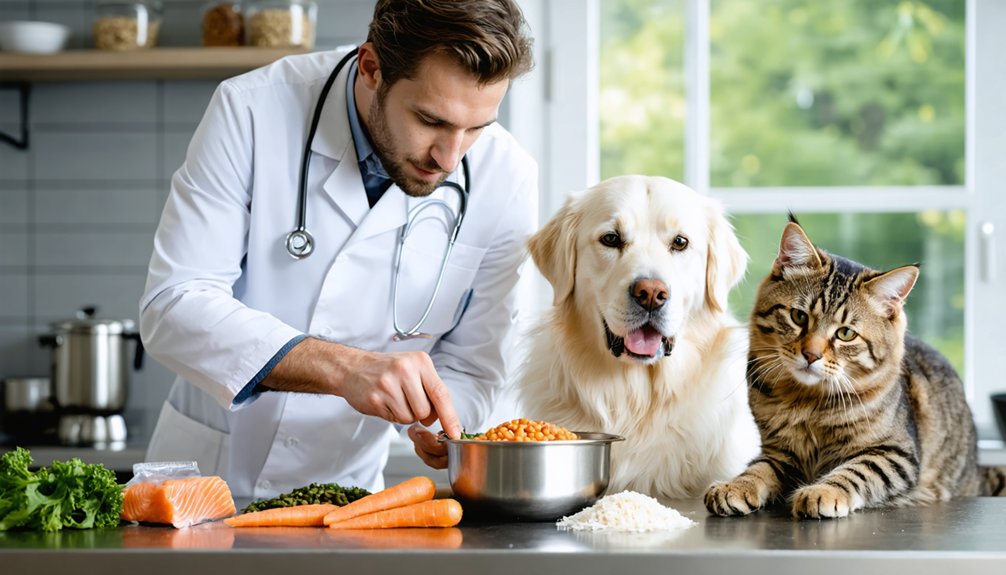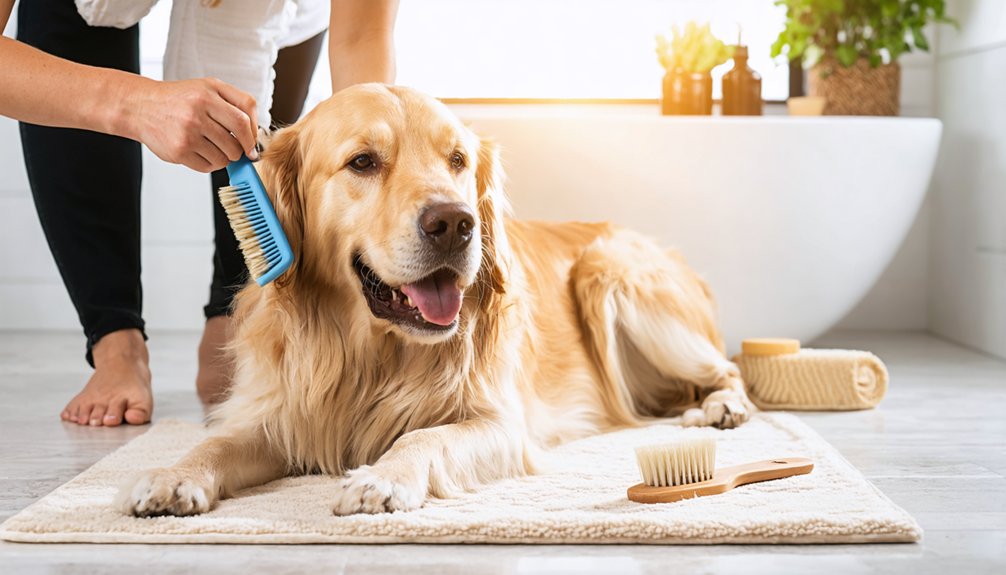
A low-stress grooming routine starts early with gentle handling of paws, ears, and coat, plus calm introductions to brushes, clippers, and dryer sounds. It works best on a predictable schedule, in a quiet, clean space with few scent or noise triggers. Short sessions, exercise beforehand, and frequent small treats help pets stay relaxed and cooperative. Careful attention to stress signals prevents setbacks, while the right professional groomer can support lasting confidence. More practical steps follow.
Highlights
- Start early with gentle daily handling and brief tool introductions, pairing each touch or sound with praise and high-value treats.
- Keep grooming predictable with the same timing, sequence, and calm cue-reward routine to reduce uncertainty and build trust.
- Create a quiet, comfortable grooming space with good lighting, non-slip surfaces, airflow, and reduced noise from dryers or clippers.
- Exercise your pet before grooming, use tiny tasty treats often, and keep early sessions very short to prevent overwhelm.
- Watch for stress signals like lip licking, freezing, tucked tail, or panting, and pause or lower intensity before fear escalates.
Start Grooming Early at Home
For many puppies, grooming should begin at home between 12 and 14 weeks of age, provided vaccinations are current. Early introduction helps puppies accept clippers, dryers, brushing, and touch before worry becomes established. Delaying this stage often makes positive associations harder to build and can increase tension during later appointments. Early grooming also makes future professional visits easier as dogs mature and become more familiar with the process over time.
Effective home grooming starts with gentle daily handling of ears, paws, tail, belly, and abdomen. Brief brushing sessions, even when the coat seems low maintenance, teach comfort while removing debris and distributing natural oils. Brushing daily or at least several times weekly before bathing builds familiarity and helps prevent mats through regular brushing. Safe early social exposure to clipper and dryer sounds helps desensitize sensitive puppies. Mock baths with a warm cloth or mild shampoo can introduce water gradually. Calm praise, rewards, and patient touch nurture trust, support belonging, and create a relaxed foundation for future professional grooming visits. Regular hands-on checks can also support early detection of fleas, ticks, or skin changes.
Build a Predictable Grooming Routine
A predictable grooming routine helps pets understand what will happen and when, which lowers uncertainty and supports calmer handling.
Households benefit from consistent timing, such as a three‑minute brush after the morning walk or evening meal. Short daily sessions with a paw check, face wipe, or touch practice build familiarity without overload.
Order matters. Following the same sequence each time, then chest, paws, and tail, reduces guesswork and helps the pet settle into a recognizable pattern. This kind of consistency improves pet comfort by making each step feel more familiar and less threatening.
For deeper care, two or three weekly sessions can target tangles and friction zones, while long coats often need daily maintenance. Regular brushing also helps distribute natural oils for coat health.
Cue pairing strengthens the habit: a timer, calm praise, and a small treat signal success. Staying calm yourself matters because dogs often mirror owner calmness during grooming.
A simple checklist keeps everyone aligned, supports progress, and reinforces a steady, low‑stress rhythm together.
Let Your Dog Meet Grooming Tools
Once a steady routine is in place, the next step is helping the dog become comfortable with the tools used in that routine.
A calm introduction starts with brushes, combs, and clippers offered for sniffing, so the dog can investigate tool scent and visual cues without pressure. Present the tools in a calm, controlled environment to support tool exposure without overwhelming the dog.
Early exposure, ideally between 8 and 12 weeks, helps many dogs feel more at ease over time. Regular early sessions help build familiarity with the grooming space and create lasting confidence. Recorded dryer audio can also provide a gentle starting point for sound desensitization at home.
Progress should remain slow and deliberate.
The handler uses gentle handling, touches a brush to the shoulder, then rewards immediately with high-value treats and praise.
Treats delivered between the front legs can encourage a relaxed posture.
Short daily sessions build a positive association, moving from brief contact to one stroke, then several.
Patience matters; the first sessions should teach safety and confidence, not complete grooming.
Set Up a Low-Stress Grooming Space
Why does the grooming environment matter so much? A well-planned setup helps pets feel secure and helps handlers move with calm, predictable efficiency. The ideal space follows a simple flow from bath to dry to trim, with stations only a few paces apart. Clear floor space, wall storage, and separated work zones reduce confusion and improve safety for everyone. Separate wet and dry zones create a safer workflow by reducing slips, water damage, and grooming bottlenecks. Wall-mounted hooks and rolling carts can further support ergonomic flow by keeping leashes, harnesses, and tools within easy reach. A wall-mounted folding grooming table adds space-saving design for small homes while folding away neatly between sessions.
Light, temperature, and placement shape comfort. Natural light supports visibility, while LED and task lighting keep work precise without excess heat. Moderate temperatures, steady air circulation, and cool mats prevent overheating. Window blinds can limit visual excitement. Holding areas work best when clean, ventilated, and set back for decompression. Acoustic panels, white noise, calming music, and aromatic diffusers can support a settled atmosphere and nurture a sense of ease.
Remove Scents and Noise Triggers
Reducing scent and sound triggers is one of the fastest ways to lower grooming stress. A calm routine begins by removing lingering pet odors that signal past accidents or anxiety. Fur, paws, and pet breath are often the primary odor sources, so cleaning those triggers first can make the biggest difference. Traditional sprays often mask odors instead of removing what is causing the smell.
Enzyme cleaners work well on upholstery, carpets, and old stains because they break down organic material, including urine proteins, without harsh chemicals. Baking soda can sit on beds or rugs for 20 to 30 minutes before vacuuming, while Charcoal absorbers in corners help control stale smells continuously.
Airflow also matters. Fans, open windows, and HEPA air purifiers improve comfort by reducing dander, moisture, and odor buildup. For noise, tools should be introduced at a distance in brief sessions, paired with rewards. Thick rugs, curtains, and ear covers soften harsh sounds, helping pets feel safer and more at ease together. Some pets also react strongly to high-pitched sounds from dryers and clippers that humans may barely notice.
Exercise Your Dog Before Grooming
A quieter, cleaner grooming space helps, but physical activity often makes the biggest difference in a dog’s ability to stay settled.
A pre‑groom stretch or energy‑burning walk can drain nervous energy, lower heart rate, and relax tight muscles before brushing, bathing, or clipping begins. That calmer physical state often reduces pacing, vocalizing, clinginess, and other anxiety-driven behaviors that make sessions harder.
Practical routines work best: a walk-play-groom sequence right before an appointment, a longer outing on grooming morning, or scheduling grooming after daycare activity. Ball chasing, park time, or active play with familiar dogs can regulate energy without medication. Groomers generally find tired dogs easier to handle, and the results often show in smoother sessions and cleaner haircuts.
Regular exercise also supports joints, circulation, coat health, and overall quality of life.
Use Treats During Grooming Sessions
During grooming, treats can turn handling from something a dog merely tolerates into something it predicts as rewarding.
Small, soft, smelly pieces work best because they are swallowed quickly and keep attention on the task.
Human-grade options with simple ingredients, such as salmon, sweet potato, or dried meat, support motivation without excess sugar or artificial additives.
Success depends on treat timing.
Rewards should arrive immediately after calm standing, paw handling, brushing, or clipper acceptance, ideally marked with a clicker first.
Many trainers use frequent tiny treats, even a piece of kibble every few seconds, to build positive associations.
Treats can also be woven into scent games, gentle praise, petting, or toy breaks, helping dogs feel included, capable, and safe while grooming tools become more familiar over time.
Keep Dog Grooming Sessions Short
Treats work best when paired with very short grooming sessions, since most dogs handle brief practice more calmly than extended handling.
Initial practice can last only 30 seconds, with the goal of one easy task, such as a single nail clip or a few brush strokes. This quick grooming approach builds tolerance, strengthens positive associations, and prevents resistance to brushes, dryers, or combs. It also gives households a reliable routine they can sustain.
Preparation supports success. A long walk, fetch, or yard play can reduce excess energy before handling begins. Sessions are most effective in a quiet, scent‑free area with non-slip footing, tools ready, and minimal interruptions.
Regular short maintenance, from paw wipes to daily brushing for longer coats, keeps care familiar. Time can increase gradually as comfort improves steadily.
Watch Stress Signals While Grooming
Why does a calm pet suddenly resist grooming? The answer often appears first in Body language and subtle Stress cues. Flattened ears, a tucked tail, freezing, raised hackles, whale eye, and dilated pupils show discomfort before bigger reactions begin.
Increased barking, whining, or meowing during handling can reflect fear or frustration, while snapping may be a coping response, not defiance.
Other warning signs include lip licking, yawning, pacing, hiding, panting, drooling, trembling, and refusing treats. Some pets attempt escape; others over-groom, lick paws, or shed more when anxiety builds.
Because many dogs already live with baseline anxiety, caregivers strengthen trust by pausing early, lowering intensity, and giving the pet space to recover. Watching these signals helps pets feel understood, safe, and included throughout grooming routines.
Choose a Low-Stress Professional Groomer
When a pet shows signs of tension, selecting a low-stress professional groomer becomes an important part of prevention rather than a last resort. Owners are best served by reviewing Groomer credentials, including accredited training, hands-on experience, continuing education, breed knowledge, first-aid certification, and insurance. These markers reflect competence, accountability, and readiness for unexpected problems.
A careful evaluation of the salon also matters. A calm, clean space with mild scents, secure entry, and Facility accessibility can lower stress before grooming begins. Ground-floor access, easy parking, and open tours help families feel welcome and prepared.
During consultations, trusted groomers explain handling methods for anxious pets, discuss product safety, answer questions clearly, and accommodate shorter or split appointments. For severely nervous animals, mobile grooming may provide the most manageable option.
References
- https://stephaniezikmann.com/how-to-create-a-low-stress-grooming-environment-for-anxious-dogs-5-science-based-tips/
- https://pawoasispetresort.com/how-to-make-grooming-a-calming-experience-for-nervous-pets/
- https://turquoisepoochpawspa.com/post/the-ultimate-guide-low-stess-grooming
- https://www.chuckanutvet.com/site/blog/2022/06/16/keeping-dogs-calm-relaxed-during-grooming
- https://www.allstargroomingwy.com/blog/stress-free-grooming-how-to-keep-your-pets-calm-and-happy/
- https://poolervet.com/vet-approved-pet-grooming-tips/
- https://www.aspca.org/pet-care/dog-care/dog-grooming-tips
- https://www.animalhumanesociety.org/resource/dog-grooming-tips-keep-your-pet-looking-and-feeling-their-best
- https://groovygroomingsc.com/blog/how-to-prepare-your-puppy-for-their-first-grooming-session
- https://www.adobeanimalhosp.com/blog/dog-and-cat-grooming-recommendations-at-home-a-simple-guide-for-pet-owners/