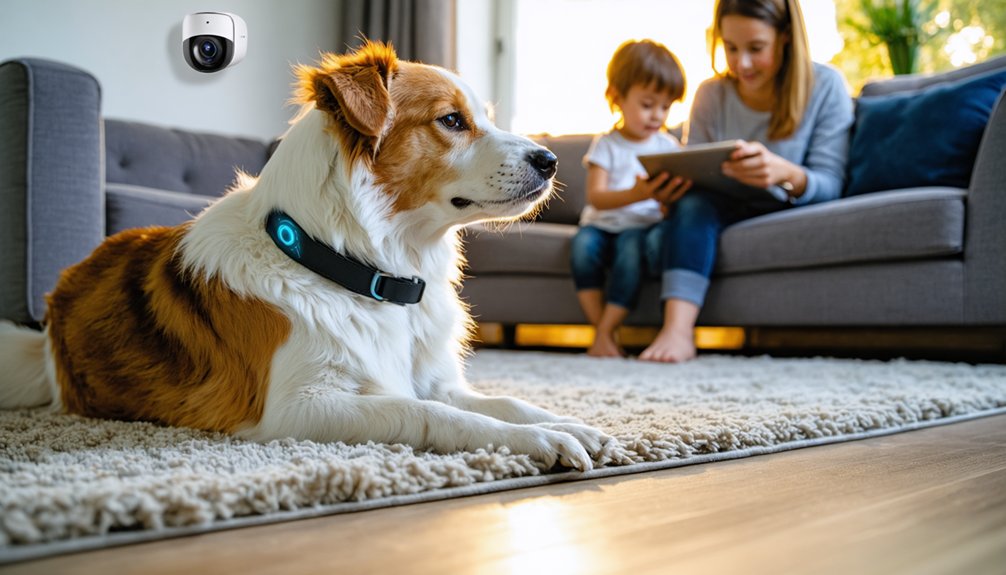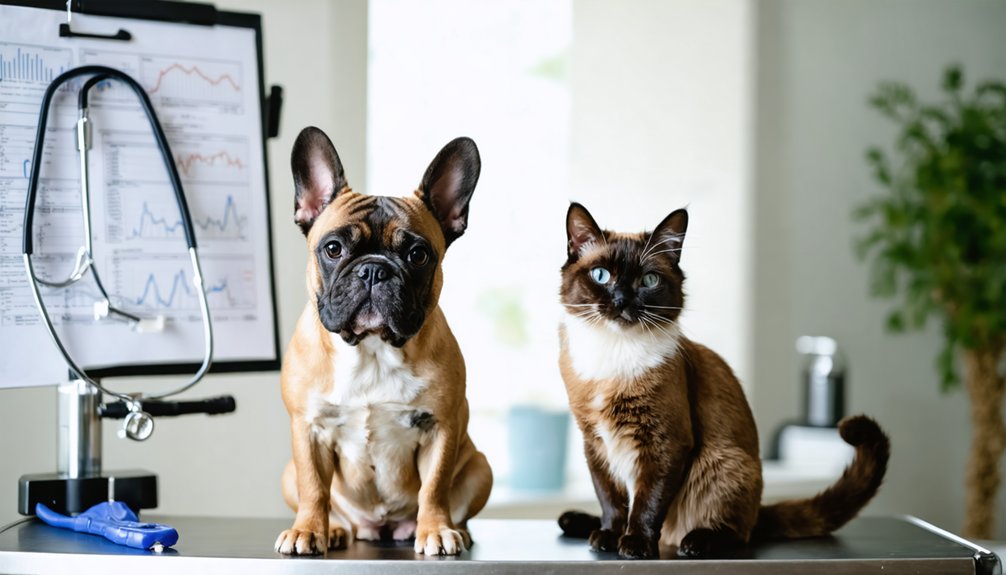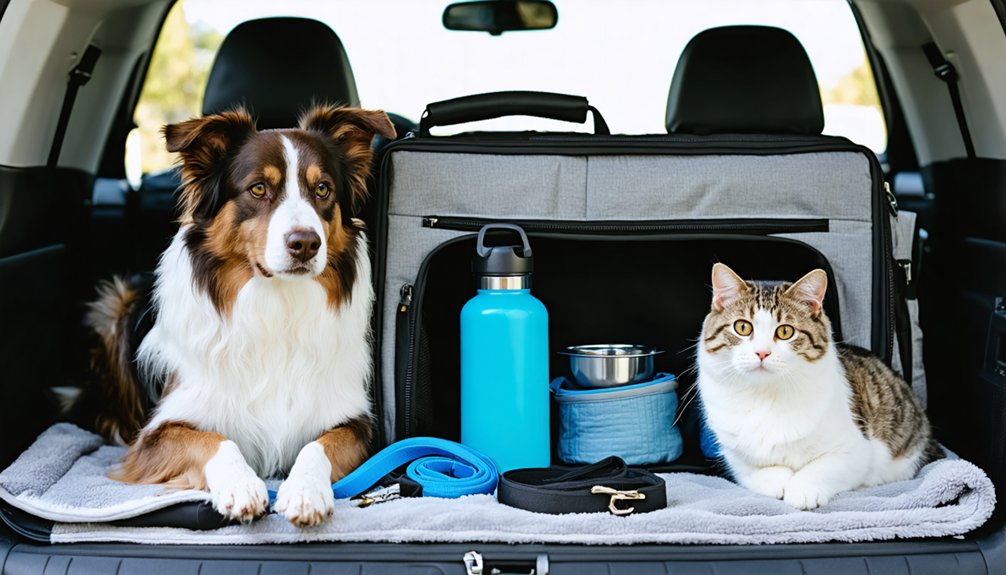
Smart pet travel begins with choosing the lowest-stress option, often road trips, then confirming airline, hotel, and destination rules early. Pets need a recent veterinary exam, current vaccines, ID tags, microchip details, and accessible health documents. Flights require early booking, direct routes when possible, and a compliant carrier sized for safe movement. Packing should cover food, water, waste, first aid, and comfort items. The sections ahead outline the key steps, tools, and common pitfalls.
Highlights
- Schedule a vet exam 7–10 days before travel and carry health certificates, vaccination records, and updated microchip information.
- For flights, compare airline pet policies early, confirm carrier size limits, and reserve limited in-cabin pet spots immediately.
- Use a properly sized, well-ventilated carrier with absorbent liners, water access, ID labels, and familiar bedding for comfort.
- On road trips, secure pets in crates or harnesses, plan stops every 2–3 hours, and map pet-friendly parks and hotels.
- Check hotel pet fees, breed or size restrictions, and amenities like walking areas, bowls, and treats before booking.
Pick the Best Pet Travel Option
Choosing the best pet travel option starts with matching the mode of travel to the animal’s size, temperament, and comfort needs.
Road trips often suit many pets because flexible pacing, frequent exercise stops, and familiar crates or harnesses can lower stress compared with flights. Routes with pet-friendly trails and patios also help pets feel included, while planning tools can identify welcoming stops. Chains like La Quinta can make road travel easier thanks to no extra charge for pets at most of its 800+ U.S. locations. On longer drives, offer dogs bathroom breaks every 2–4 hours to keep them comfortable. In the Pacific Northwest, Seattle offers an urban adventure with pet-friendly walks at Olympic Sculpture Park, Myrtle Edwards Park, and the Washington Park Arboretum.
Flights require stricter evaluation. Airlines limit cabin access by size and carrier rules, while cargo travel may expose pets to noise and temperature shifts. Carrier acclimation can reduce anxiety, but some animals still travel poorly by air.
When weighing options, travelers benefit from reviewing Pet insurance coverage, estimating the Travel budget, and comparing pet-friendly hotel policies, service fees, and route restrictions before choosing the most supportive experience.
Build a Pet Travel Compliance Checklist
After selecting the most suitable travel method, the next step is building a compliance checklist that matches airline, state, and international rules.
It should include a veterinary exam scheduled 7–10 days before departure, rabies status, and a health certificate issued within 10 days, signed by a licensed veterinarian and copied twice. For all cats and dogs, include a signed Breed Verification Form stating the predominant breed. Reserve pet-friendly tickets early because in-cabin slots are often limited and fill quickly.
The checklist should confirm ID tags, microchip registration, leash, and contact details on the carrier.
Documentation storage matters: copies of vaccination records, CVI, APHIS Form 7001 or country-specific forms, and destination permits should stay accessible.
For international entries, travelers should verify age minimums, quarantine rules, tapeworm timing for Great Britain, and USDA-endorsed rabies certification when required.
Travel insurance can support unexpected veterinary needs, while prescribed motion-sickness or anti-anxiety medication may improve safety and comfort.
Book Pet-Friendly Flights Without Surprises
How can travelers avoid airport-day surprises when flying with a pet? Evidence supports an airline‑policy comparison before purchase, because limits, fees, and routing rules vary widely. An early‑booking strategy matters: many flights cap in-cabin pets at about six, making pet‑slot reservation essential. Weight‑limit verification and pet‑carrier sizing should be confirmed against each carrier’s under-seat dimensions and total pet-plus-carrier allowance. An early carrier purchase helps avoid last-minute mismatches.
Trustworthy pet‑flight surprise‑prevention also depends on airline‑contact timing. After booking a human seat, travelers should promptly call to add the pet, confirm fees, and review pet‑flight documentation requirements. A direct‑flight preference reduces handling stress and connection problems. KLM also supports connecting pet travel through its Amsterdam Animal Hotel for manifest cargo layovers. When needed, airlines such as United may allow a second adjacent seat, expanding options for larger companion animals and comfort. Travelers should also review required paperwork early, including health certificates, vaccination records, and microchip details, because missing documents can disrupt check‑in or entry. Travelers should also confirm whether the airline permits their pet’s route and travel method, since international limitations and long-haul restrictions can affect eligibility.
Meet Pet Age, Vaccine, and Microchip Rules
Before any itinerary is finalized, travelers should verify pet age, vaccination, and microchip rules because eligibility is governed by overlapping federal, airline, and destination requirements. State regulations may also impose stricter entry standards than federal rules, making state requirements an essential part of pre-trip planning.
Age restrictions begin with the USDA minimum of eight weeks for cargo dogs and cats, with weaning completed five days before flying. However, evidence-based guidance considers 12 weeks safer for flights or long road trips, and some airlines set 16 weeks for international travel. Senior pets over seven years old should have a veterinary evaluation before travel to confirm vet clearance. Pets that are pregnant or in heat are generally not permitted to fly under airline restrictions.
Vaccination timing also matters. Most carriers require a health certificate issued within 10 days, confirming fitness and vaccinations, especially rabies. For international travel, rabies shots often must be completed 28 days in advance, and some countries require annual boosters.
Microchip mandates are common for U.S. dog entry and many foreign destinations, supporting identification, compliance, and smoother check-in processes.
Pack a Pet Travel Carrier and Essentials
Because carrier choice directly affects safety, comfort, and airline compliance, travelers should start by selecting one that matches the mode of transport and the pet’s size. Soft-sided carriers suit in-cabin flights, while hard-sided models are necessary for cargo and should meet IATA ventilation and security standards. Pets should be able to sit, turn, and lie down comfortably, with sturdy locks and safe openings. Airlines also require one pet per carrier to maintain safety and compliance during check-in and transport.
Effective Carrier organization includes attached food and water cups, a drip bottle, absorbent liners, and a familiar blanket. Zippered pockets can hold a leash, treats, and documents. Store vaccination records, rabies proof, and vet certificates in a waterproof pouch for quick access to travel documents. Food budgeting supports smoother travel by using pre-portioned meals, extra treats, bottled water, and a sealed bag of dry food. Collapsible bowls, waste bags, paw wipes, ID tags, and a basic first-aid kit complete a reliable setup. For added protection during vehicle travel, include a seatbelt tether or other car safety system for dogs when the carrier is used in transit.
Plan a Safe Pet-Friendly Road Trip
A safe pet-friendly road trip starts with a realistic route, reliable restraints, and well-timed stops.
Effective route planning begins by choosing the most direct path, then adding one to two hours beyond map estimates for bathroom breaks, meals, and unexpected delays.
Dog-friendly parks, trails, rest areas, and restaurants can be identified in advance to reduce stress. Contact the local tourism board for current dog-friendly updates on parks, events, and activities before finalizing the itinerary.
Pet safety improves when animals practice short drives before departure and ride secured in a crate or crash-tested harness.
Stops every two to three hours support stretching, hydration, and regular bathroom habits.
Brief sniff walks and light play help manage energy and support calmer driving.
Vaccination records, a first aid kit, and pre-booked pet-friendly lodging strengthen preparedness.
This approach helps pets and people travel with greater comfort, confidence, and ease together.
Use Pet Travel Apps for Documents
Digital pet travel apps can simplify document control once the route, lodging, and safety setup are in place. Tools such as TravelReadyPetsApp and PadsPassApp help store and verify rabies records, ISO microchip details, health certificates, import permits, and approved carrier information, reducing avoidable errors.
Strong App integration also improves coordination with veterinarians. TravelReadyPetsApp and VitusVetApp support clinic uploads, signed certificates, lab results, rabies titer tests, treatment logs, scheduling, and alerts for deadlines or renewals. AnimalPassportApp adds fast visual identification through a digital passport format, while MyPetApp keeps medications, allergies, and medical history accessible during travel. For families seeking confidence and consistency, these platforms support preparation, quick document presentation, and reliable Data security, helping pets move through airline and border checks with fewer surprises and greater ease overall.
Find Pet-Friendly Hotels That Fit Your Pet
Two practical filters help narrow pet-friendly hotel choices: property rules and pet-specific amenities. A clear Pet budget starts with fees, limits, and restrictions. Many La Quinta locations waive pet fees, while some charge $20 nightly up to $40 per stay. Hampton Inn permits two pets with a $75 stay fee and relief areas. Kimpton Monaco and Claret, plus Hotel Teatro, charge no pet fees.
Location amenities also shape fit. Hyatt Place may include treats, beds, bowls, grassy areas, and sometimes pools; Marriott Bonvoy Denver properties add walking areas. Higher-rated options include The Rally Hotel, Hyatt Place Denver Downtown, and Kimpton Claret. With 295 pet-friendly hotels listed on BringFido in Denver, travelers can compare policies and comforts confidently for a more welcoming stay.
Map Pet-Friendly Stops and Activities
Once a hotel is chosen, mapping pet‑friendly stops and activities helps shape a smoother route for both pet and owner. Effective Activity mapping uses planners such as BringFido, AllTrails, PetsWelcome, and dog‑friendly USA maps to identify parks, beaches, trails, cafés, and hotels by route, city, or state.
Pet friendly routes can then reflect both destination and shared interests. An East Coast drive from Boston to Acadia may include Boston Common, Portland, ME patios, and leashed Acadia trails. A Southwest trip from Santa Fe to Sedona can add pet‑friendly cafés and Petrified Forest trails. Pacific and West Coast drives may feature Discovery Park, Cannon Beach, and Carmel‑by‑the‑Sea. In Fort Lauderdale, mapped options include Barkham, Canine Beach, Hugh Taylor Birch State Park, and dog‑welcoming cruises or dining along Las Olas Boulevard.
Avoid Common Pet Travel Mistakes
Because many pet travel problems are preventable, the most reliable approach is to address the mistakes that most often cause stress, delays, or denied transport.
Common errors include choosing carriers that are too small, poorly ventilated, noncompliant, or unsuitable for cargo or international rules.
Pets also travel better when crate training begins well before departure.
First‑day confinement often triggers scratching, panting, whining, escape attempts, and stress stress during screening or transit.
Packing should allow movement while including only secure comfort items.
Owners benefit from confirming airline, train, lodging, and destination rules, checking certificate dates, and updating microchip records.
Health planning matters as much as logistics.
Light meals, weather awareness, rest stops, and clear emergency protocols reduce digestive issues, overheating risks, and confusion when delays disrupt shared travel plans for everyone.
References
- https://travelreadypets.com/pet-travel-compliance/
- https://www.sniffspot.com/blog/sniffspot-community/which-airlines-allow-dogs-in-cabin
- https://www.travelnuity.com/pet-friendly-airlines/
- https://www.acg.aaa.com/connect/blogs/5c/travel/traveling-with-pets
- https://www.youtube.com/watch?v=XXSjEPiaxEk
- https://www.bringfido.com
- https://www.hotwire.com/St-Louis-Hotels-Pet-Friendly-Hotel.0-0-d178309-tPetfriendlyHotel.Travel-Guide-Filter-Hotels
- https://www.booking.com/pets/region/us/missouri.en-gb.html
- https://www.dunhilltraveldeals.com/pet-friendly-getaways
- https://figopetinsurance.com/blog/pet-friendly-road-trip-guide