
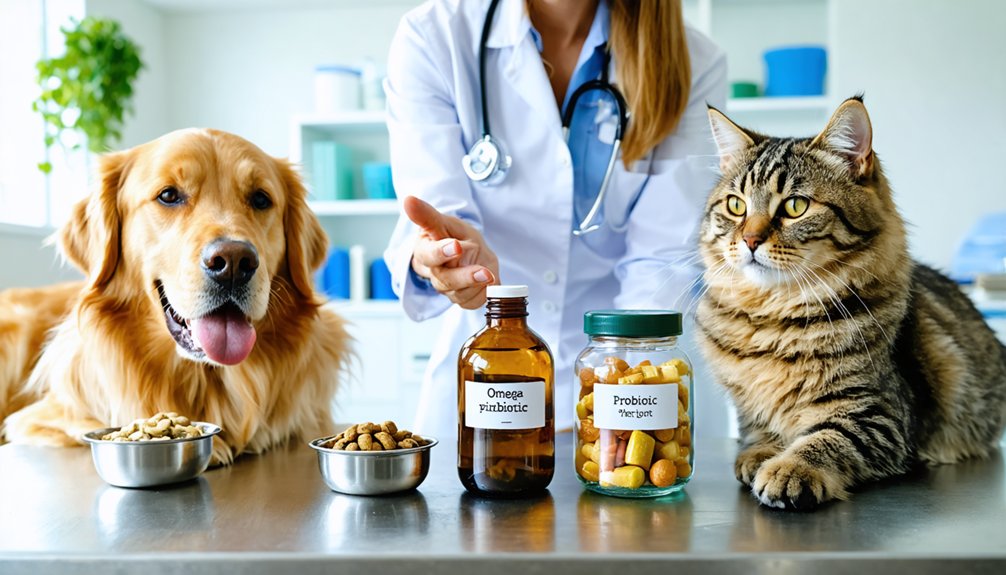

The most useful pet supplements to discuss with a veterinarian before adding to meals are condition-specific options, not routine multivitamins. Fish oil with EPA/DHA may help skin, inflammation, joints, and heart health. Glucosamine, chondroitin, MSM, or green-lipped mussel are common for stiffness. Probiotics may support diarrhea or digestive balance, while calming aids like L-theanine can help stress. Only pet-specific, third-party tested products should be used, and the sections ahead explain which pets benefit most.
Highlights
- Most dogs and cats eating complete, balanced diets usually do not need supplements unless a vet identifies a deficiency, disease, or age-related need.
- Discuss joint supplements like glucosamine, chondroitin, MSM, and omega-3s with your vet for stiffness, mobility support, or osteoarthritis management.
- Ask about probiotics, digestive enzymes, or calming aids such as L-theanine or melatonin for diarrhea, stress, or anxiety-related digestive upset.
- For heart or senior support, vets may recommend taurine, CoQ10, L-carnitine, antioxidants, or omega-3s based on your pet’s condition.
- Choose pet-specific, third-party-tested products with NASC seals, and avoid human supplements because ingredients, strengths, and interactions may be unsafe.
What Pet Supplements Are Worth Discussing?
When considering what pet supplements are worth discussing, veterinarians most often focus on a few evidence-supported categories: joint health formulas, omega-3 fatty acids, digestive probiotics, and certain heart-support products.
Glucosamine and chondroitin are commonly reviewed for osteoarthritis, while EPA and DHA from fish oil are widely recommended for inflammation, joint function, neural development, and immune‑skin support. Fish oil products with third-party testing are often preferred because they help confirm potency, purity, and the absence of contaminants such as mercury. Omega‑3 supplements may also help moisturize skin, improve coat quality, and ease seasonal allergies.
Probiotics are often discussed for digestive concerns and should complement, not replace, a balanced diet.
CoQ10 may be considered for select cardiac cases, but only after veterinary assessment.
Because supplement quality varies, clinicians often look for the NASC seal and review medications, size, history, diet, activity, and nutrient timing before advising use. Detailed ingredient labels support informed decisions by showing exactly what is in the product and in what order by weight. This helps families feel confident they are choosing products guided by evidence, safety, and shared veterinary standards.
Which Pets Actually Need Supplements?
Not every pet benefits from supplementation. Healthy dogs and cats eating complete, balanced commercial diets generally meet vitamin and mineral requirements without extras. Veterinary nutrition experts note that unneeded multivitamins have not been shown to prevent illness and may create toxicity when nutrients accumulate. Supplements should be considered only for specific health conditions under veterinary guidance because balanced diets usually provide what healthy pets need. Veterinarians can also recommend targeted options such as fish oil for dogs with joint pain.
Pets most likely to need support are those with documented nutrient deficiencies, diagnosed disease, or age‑related needs. Examples include cats with kidney disease needing potassium, pets with malabsorption requiring vitamin injections, and animals with food intolerances or pancreatic insufficiency benefiting from probiotics or digestive enzymes. Older pets may receive B vitamins, omega fatty acids, antioxidants, CoQ10, or carnitine to support appetite, joints, skin, heart, and recovery. Home‑cooked therapeutic diets and breed‑linked joint concerns also sometimes warrant veterinarian‑directed additions. Dogs with inflammatory bowel disease may also need vitamin B12 supplementation because absorption deficits are common.
How to Choose Safe Pet Supplements
A safe pet supplement starts with veterinary guidance rather than marketing claims. The veterinarian confirms whether a product is necessary, checks for interactions with medications or disease, and reviews dosage timing. Human supplements remain inappropriate because toxic ingredients and incorrect strengths can harm pets. Routine nutrition reviews at veterinary visits help families stay aligned on safe choices. When concerns are complex, a pet nutrition specialist can help identify specific deficiencies and guide a more tailored supplement plan. Looking for the NASC seal can also help identify manufacturers that meet recognized quality and safety standards. Adverse reactions to supplements can range from mild stomach upset to severe emergencies, making safety risks important to discuss before use.
Selection should prioritize ingredient purity, transparent sourcing, and third-party testing for contaminants, content, and absorbability. Labels should disclose allergens, additives, and usage directions, while regulatory compliance signals stronger manufacturing standards. Reputable companies provide species-specific safety data, peer-reviewed support, and clear contact information. Supplements should match a defined need, not a vague wellness promise, because complete diets often require none. Price alone does not predict quality; evidence, endorsements, and consistency matter most.
Fish Oil Supplements for Skin and Joints
Among the supplements veterinarians commonly review, fish oil is one of the most studied for dogs with skin irritation or joint discomfort.
Sourced from cold-water fish like salmon, anchovy, and sardine, it provides EPA and DHA, omega-3 fatty acids linked to anti-inflammatory benefits. Some veterinary fish oil products deliver higher EPA/DHA content than standard Alaskan salmon oil.
In dogs with allergies, these nutrients can reduce cytokine-driven itching, improve dandruff, dryness, and shedding, and help restore coat quality. Visible skin changes often take four to six weeks.
For joint support, fish oil may decrease inflammatory lipids and improve comfort and agility in arthritic dogs. It may also support heart health by helping reduce arrhythmia risk and triglyceride levels.
Omega‑3 dosing matters: common guidance is about 100 mg/kg combined EPA and DHA daily, introduced gradually while monitoring tolerance. Proper omega‑6 balance is also important, since many processed diets already provide abundant omega‑6.
Because liquids, capsules, softgels, and chews vary in concentration and quality control, veterinary guidance helps families choose products confidently together.
Joint Supplements for Dogs With Stiffness
Several joint supplements are commonly discussed for dogs with stiffness, especially seniors and large breeds showing slowing, limping, or reduced ease of movement. Evidence-backed ingredients include glucosamine for occasional joint stiffness, chondroitin sulfate for cartilage flexibility and lubrication, MSM for collagen support, green‑lipped mussel for natural anti‑inflammatory activity, and hyaluronic acid for lubrication and swelling reduction. In Canada, up to 20% of dogs over one year old may be affected by osteoarthritis.
Veterinarians often mention Nutramax Dasuquin, Tri‑Acta H.A. Maximum Strength, YuMOVE, VetriScience, and Virbac because they use researched ingredients. Soft chews, powders, and liquids allow dosing flexibility, with supplement timing and consistency shaping results. Some dogs show improvement within six weeks, especially with clinically studied formulas. Supplements may also complement NSAIDs under veterinary guidance, but they cannot reverse torn cartilage, calcium deposits, or advanced scar tissue. Early use may help protect long‑term mobility. Consistent daily use for 6–8 weeks is often recommended for joint support and soothing stiffness. Some vet-formulated soft chews also combine glucosamine, chondroitin, MSM, turmeric, and green-lipped mussel for joint wellness in dogs of all ages.
Probiotic Supplements for Digestive Upset
Why do veterinarians so often recommend probiotics for dogs with digestive upset? Evidence shows selected strains can help rebalance Gut flora, reduce gas, diarrhea, and indigestion, and support normal bowel defenses.
They may also improve stool consistency, nutrient absorption, and digestive resilience during antibiotic use or food sensitivities.
Veterinary guidance matters because benefits depend on strain and formulation. Bacillus subtilis DE111 supports gut health, while Bifidobacterium animalis AHC7 and Lactobacillus rhamnosus LGG are associated with diarrhea support.
Common options include Purina Pro Plan FortiFlora, Nutramax Proviable, and products with prebiotics such as FOS or inulin. Some formulas add Enzyme support through pepsin, lipase, amylase, bromelain, or papain.
Most dogs tolerate daily powders, chews, capsules, or pastes well, though mild gas can appear initially.
Calming Supplements for Stress and Anxiety
When stress, noise phobia, travel, or separation-related behaviors interfere with a dog’s daily life, veterinarians may discuss calming supplements as part of a broader behavior plan. Evidence-supported ingredients include L-theanine, alpha-casozepine, melatonin, tryptophan, chamomile, and selected probiotics that influence the gut-brain axis. Products such as Solliquin, Zylkene, Anxitane, Composure, and Calming Care are commonly considered.
Veterinary guidance matters because response, safety, and L theanine dosage vary by dog and formulation. Some options work best for situational stress, while others require daily use for four to six weeks. Pet-specific melatonin is preferred, since human products may contain xylitol. Owners often ask about probiotic timing; clinicians may recommend consistent daily administration with meals, while monitoring for mild bloating or diarrhea in sensitive dogs.
Heart Health Supplements to Ask About
A small group of veterinary supplements may be discussed to support heart health in dogs and cats, especially in pets with diagnosed cardiac disease or breed-related risk. Veterinarians often review taurine, Coenzyme Q10, hawthorn berry extract, L-carnitine, and omega-3 fatty acids.
Taurine is established for feline cardiac function and may aid myocardial protection and muscle tone.
Coenzyme Q10 supports cellular energy and may improve stamina in pets with heart disease.
Hawthorn berry extract is used to promote circulation, blood pressure balance, and cardiac tone.
L-carnitine may help appetite, oxygen use, and exercise tolerance.
Omega-3s, including EPA, may support rhythm, triglycerides, and inflammation control.
Because needs vary, veterinary guidance on cardiac dosing, ingredient combinations, and supplement timing helps families feel confident and included in care decisions.
Multivitamin Supplements for Special Diets
Beyond heart-focused products, veterinarians may also discuss multivitamin supplements for pets on special diets, particularly home-cooked or restricted feeding plans designed for allergies or medical conditions. In these cases, expert guidance helps families feel confident that missing nutrients are being replaced appropriately.
Complete AAFCO-certified foods already supply required nutrition, so routine multivitamins are usually unnecessary for healthy dogs and may create excesses, including selenium or vitamin D toxicity.
Veterinarians may recommend blends when age-related digestive changes, chronic disease, medications, or genetic absorption defects limit nutrient uptake. Formulas may include B vitamins, omega-3s, zinc, biotin, probiotics, postbiotics, psyllium, and antioxidants.
Decisions should reflect dietutrient timing, dosage optimization, health history, and weight-based directions. Human vitamins remain inappropriate because canine requirements and medication interactions differ markedly.
How to Add Pet Supplements Safely to Meals
How supplements are added to a pet’s meals can affect both acceptance and nutrient stability. Experts recommend mixing powder into wet food and stirring thoroughly, or moistening kibble with water or pet-safe broth so powder adheres evenly. Adding supplements after heating helps protect heat-sensitive vitamins. A slurry made with a little water can improve blending, especially in strong-smelling foods like canned or fresh diets.
For capsules and pills, capsule hiding in food bites or pill pockets is often better tolerated than forcing direct dosing. Open capsules may be sprinkled onto meals when approved, but grinding coated pills can expose bitter taste. Caregivers are advised to start with small amounts, follow weight-based directions, watch stools and behavior, and consult a veterinarian if sensitivities or reactions appear.
References
- https://www.businessinsider.com/guides/pets/best-dog-supplement
- https://saratogavethosp.com/blog/veterinary-supplements-for-your-pet/
- https://www.chewy.com/b/vitamins-supplements-374
- https://vetster.com/en/wellness/pet-supplements-which-ones-are-backed-by-science
- https://www.consumerreports.org/home-garden/pets/are-common-pet-supplements-safe-for-cats-and-dogs-a4468787883/
- https://www.vetriscience.com/27-active-health-for-dogs.html
- https://www.avma.org/javma-news/2017-01-15/assessing-pet-supplements
- https://vcahospitals.com/know-your-pet/supplements—selecting-supplements-for-your-pet
- https://pmc.ncbi.nlm.nih.gov/articles/PMC7802882/
- https://vrshealth.com