
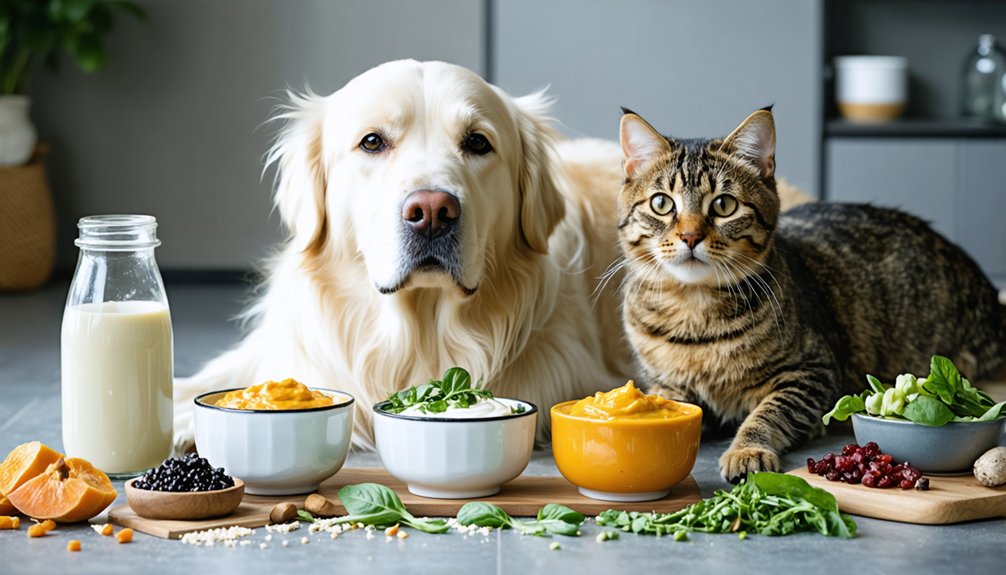

Pet gut health is trending because the microbiome influences digestion, nutrient absorption, immunity, and even behavior. Probiotics can improve stool quality, support the intestinal barrier, and help beneficial bacteria outcompete harmful microbes. Fiber and prebiotics feed those microbes, increasing short-chain fatty acids that nourish the colon and regulate bowel movements. Fermented ingredients add useful microbes and enzymes while improving nutrient availability. Continued exploration shows how strains, fibers, and delivery methods can shape everyday wellness.
Highlights
- Pet gut health drives digestion, nutrient absorption, immune defense, and even behavior through the gut-brain axis.
- Probiotics are trending because targeted strains can improve stool quality, support immunity, and help manage diarrhea and digestive imbalance.
- Fiber and prebiotics feed beneficial microbes, produce gut-supporting SCFAs, and help regulate both loose stools and constipation.
- Fermented ingredients add beneficial microbes, enzymes, and more bioavailable nutrients that support microbiome balance and digestive function.
- Synbiotic formulas and protected delivery systems make gut-health products more effective, especially in dry foods and daily wellness routines.
Why Pet Gut Health Matters So Much
A healthy gut is central to a pet’s overall health because it supports digestion, nutrient absorption, immune defense, and even behavior. Research shows gut microbes help break down fibers, fats, and complex carbohydrates, turning food into usable energy while promoting comfortable digestion and regular stools. When balance is lost, pets may experience diarrhea, constipation, gas, foul odors, and reduced vitality. A pet’s unique microbiome begins developing from birth and continues to be shaped by diet, environment, medications, and daily lifestyle. Beneficial microbes also ferment dietary fibers to create short-chain fatty acids, which nourish colon cells and support digestive health.
Experts note that most immune activity is centered in the gut, where microbes help maintain the intestinal barrier and discourage harmful organisms. Gut microbiome diversity also supports vitamin B and K synthesis, healthier skin and coats, and steadier mood through the gut-brain axis. These benefits matter to every caring pet family, especially because strong digestive function is increasingly linked with metabolic disease prevention, resilience, and long-term wellbeing in both cats and dogs. In dogs, about 70% of immunity resides in the gut, underscoring why digestive health is so important.
How Probiotics Support Pet Gut Health
How, then, do probiotics help restore and protect a pet’s digestive balance? Evidence indicates they work through several complementary mechanisms. Beneficial microbes can suppress pathogens such as *Salmonella*, increase helpful *Lactobacillus* populations, and reduce harmful clostridia, supporting greater microbial diversity across the gut. Certain strains also improve fecal quality, reduce stomach upset, and help reinforce the intestinal barrier, especially during periods of stress or digestive disruption. Multi-strain veterinary formulas can also provide symbiotic action by combining probiotics with prebiotic fiber to help nourish beneficial gut bacteria. Powder supplements are often preferred because better stability can help preserve viable bacteria and support accurate dosing.
Clinical findings strengthen that image. In a large prospective shelter-dog trial, *Enterococcus faecium* NCIMB 10415 reduced diarrhea episodes, with additional dog and cat studies supporting its efficacy and safety. Other probiotics, including *Bifidobacterium* and *Saccharomyces* species, have shown benefits for acute diarrhea, stool consistency, mucosal immunity, and stress-related signs. Enzyme modulation may further support digestion and nutrient handling for pets overall. Because much of the immune system is centered in the gut, probiotics may also promote immune support by helping regulate inflammation and support healthy T-cell activity.
Which Probiotic Strains Help Pets Most?
Consider strain selection the deciding factor in whether a pet probiotic delivers meaningful results. Evidence points to several standouts.
Lactobacillus acidophilus is widely used because it enhances beneficial Lactobacillus levels, lowers harmful clostridia, supports immune cell activity in dogs, and improves stool quality.
Lactobacillus casei, a mucus‑membrane resident, is valued for digestive support and possible gut‑brain axis benefits.
Lactobacillus plantarum shows strong survival in dogs, helps maintain colon integrity, and may reduce antibiotic‑associated diarrhea.
Bifidobacterium animalis, especially strain AHC7, is well supported for acute diarrhea management.
Enterococcus faecium, including strains NCIMB 10415 and DSM 10663, has reduced diarrhea in shelter dogs and appears in leading veterinary formulas.
Experts often emphasize Strain collaboration and proper Dosage timing when selecting species‑appropriate products for pets together. Dogs generally need 1–10 billion CFUs daily and cats 1–5 billion for effective dosing. Multi-strain formulas may provide broader benefits through strain diversity.
Why Fiber Is Key for Gut Health
Prioritize fiber as a core tool for pet gut health because its effects extend well beyond stool bulk.
In expert‑guided nutrition, fiber digestion helps regulate transit, firm loose stools, relieve constipation, and support regular elimination. Soluble and insoluble fibers work differently, with soluble fiber fermenting in the colon while insoluble fiber helps regulate transit time. Because labels typically do not list fiber solubility or total digestible fiber, choosing the best fiber profile often requires veterinary guidance.
By absorbing water and increasing stool bulk, fiber also encourages natural anal gland expression and reduces exposure to harmful compounds in the colon.
Research shows fiber supports microbial balance by favoring beneficial bacteria and increasing short‑chain fatty acids such as acetate, propionate, and butyrate. Because about 70% of the immune system resides in the gut, fiber also plays an important role in immune support.
These compounds nourish intestinal cells, strengthen barrier junctions, support mucus production, and help maintain a healthy intestinal pH.
Fiber also adds fullness without excess calories, helping weight management, steadier blood glucose, and healthier cholesterol.
For many pet families, it remains a practical foundation for daily digestive care.
How Prebiotics and Synbiotics Support Pets
Two nutrition tools often used to strengthen digestive care are prebiotics and synbiotics. Prebiotics are non-digestible carbohydrates that reach the colon intact, where they fuel beneficial microbes such as Bifidobacteria and Lactobacilli. This prebiotic collaboration supports short-chain fatty acid production, helps reinforce the intestinal barrier, and may reduce pro‑inflammatory signaling. Prebiotics can also help improve stool quality by supporting balanced bowel movements. Because they feed probiotic bacteria already living in the gut, prebiotics are important for maintaining a healthy microbiome. Natural sources of prebiotics for dogs include chicory root, dandelion greens, and fiber-rich vegetables.
Synbiotics combine prebiotics with probiotics to deliver complementary or targeted benefits. Evidence suggests they can increase beneficial taxa, suppress less desirable microbes, and support stool quality, digestibility, and recovery after antibiotics in dogs and cats. Some formulations also improve immune markers, including fecal IgA and circulating leukocytes, reflecting broader gut‑immune effects. By nourishing resident bacteria alongside introduced strains, synbiotic cooperation helps pets maintain a more stable, community‑supported microbiome through everyday digestive challenges and stressors.
Where Fermented Ingredients Fit in Pet Diets
Where do fermented ingredients fit within pet nutrition? Evidence places them as functional additions that support digestion, nutrient availability, and formula acceptance.
Fermented superfoods can supply probiotics and enzymes that help break down complex nutrients. Fermented turmeric has shown markedly greater bioavailability than its raw form, while fermented pumpkin contributes fiber, vitamin A, and potassium. Healthy gut flora also provides immune support by helping inhibit harmful microbes and supporting normal immune function.
Blends including spinach, blueberry, and beets can broaden probiotic exposure.
Research also shows targeted value from specialized ingredients. Fermented plant inputs such as pea starch have increased fecal microbial diversity in dogs, raised Faecalibacterium, and reduced anti-nutritional compounds.
Fermented protein options have maintained microbiota richness and supported Blautia species while offering sustainable sourcing. Together, these ingredients fit best as thoughtfully selected components within complete, balanced pet foods today.
Why Gut Health Affects Immunity and Behavior
Beyond ingredient selection, gut health shapes far more than digestion in dogs and cats because the gastrointestinal tract houses roughly 70 to 80 percent of immune activity and serves as a primary interface between the body and microbes.
When dysbiosis develops, beneficial diversity declines, inflammatory organisms can expand, and immune defenses may become misdirected toward harmless commensal bacteria, as seen in inflammatory bowel disease.
Researchers increasingly connect this disruption to the brain‑ibiome‑behavior link. Reduced short‑chain fatty acids, secondary bile acids, and other immune‑modulating metabolites can weaken immune regulation, sustain chronic inflammation, and affect mood, resilience, and daily behavior.
In practice, a balanced microbiome is associated with steadier essential, healthier skin and coat, and fewer illness flare‑ups, helping pets remain more comfortable, adaptable, and connected within the household and social environment.
How Dry Pet Food Now Delivers Probiotics
As dry pet food has become more sophisticated, manufacturers have found practical ways to deliver beneficial microbes without sacrificing shelf stability or processing durability.
Through microencapsulation technology and other encapsulation delivery systems, probiotic bacteria are coated to resist heat, moisture, and stomach acid, then released in the small intestine where they can function effectively.
This approach allows kibble to provide measurable digestive and wellness support within complete daily nutrition.
Guaranteed probiotic levels, paired with prebiotic fibers, enzymes, and postbiotics, help promote nutrient absorption, digestive balance, and immune resilience.
Formulas from Purina Pro Plan, Brothers, Comprehensive, Redbarn, and Tractor Supply reflect this broader shift toward gut-focused dry foods.
For pets with occasional gas, loose stools, sensitivities, or recurring skin issues, these formulations offer a scientifically grounded, increasingly accessible option.
What Pet Gut Health Trends Mean for Owners
For pet owners, these gut health trends signal a shift from one-size-fits-all feeding toward more personalized, preventative nutrition. Across the market gut‑brain axis conversation, brands and veterinarians increasingly frame digestion as central to whole-body wellness, influencing immunity, mobility, skin health, and calm behavior.
This means owners are being asked to engage more actively with feeding decisions. Microbiome‑based diagnostics, including at-home kits and veterinary panels, now inform diets customized to bacterial profiles, breed, age, weight, and health conditions. At the same time, minimally processed formats, functional ingredients, and transparent sourcing are becoming trust markers rather than niche preferences. Expert guidance suggests these developments reflect a broader wellness culture in which pet care feels more intentional, informed, and community-aligned, with nutrition positioned as a daily tool for long-term resilience and better quality of life.
How to Choose Gut Health Support for Pets
Which gut health support is most appropriate depends first on the pet’s symptoms, diet, and medical history, which is why veterinarian guidance should come before any supplement or food change. Clinicians may recommend targeted probiotics, fiber adjustments, or therapeutic diets, and may consider gut testing when symptoms persist or chronic disease is suspected.
Selection then centers on evidence-based quality markers. Reputable brands, NASC Quality Seal products, enteric-coated delivery, accurate labeling, and proven safety matter because contamination and poor survival through stomach acid can limit benefit. Strain type and CFU should match the pet’s needs, whether daily support, stress, or diarrhea. Some pets do well with multi-strain options like hol probi approaches. A complete, balanced diet, gradual food shifts, and prebiotic fiber also help pets feel supported, included, and well.
References
- https://globalpetindustry.com/news/live-probiotics-in-dry-pet-food-from-trend-to-functional-nutrition/
- https://www.futuremarketinsights.com/reports/fermented-pet-ingredient-market
- https://www.adm.com/en-us/news/adm-stories/adm-reveals-five-trends-influencing-pet-nutrition-health–wellness/
- https://pmc.ncbi.nlm.nih.gov/articles/PMC12524077/
- https://www.petfoodindustry.com/nutrition/dog-and-cat-food-nutrition/article/15816112/4-functional-pet-food-ingredients-fish-oil-probiotics-glucosamine-and-beet-pulp
- https://www.mordorintelligence.com/industry-reports/pet-probiotics-supplements-market
- https://bsmpartners.net/barking-mad-podcast/trends-to-watch-in-2025-part-3-biotic-ingredients-and-gut-health
- https://in.virbac.com/home/every-advice/pagecontent/importance-of-cat-and-dog-gut-health.html
- https://drools.com/why-gut-health-is-important-for-dogs/
- https://www.backtothebone.ca/blogs/main/a-healthy-gut-is-key-to-a-healthy-pet/