

Separation anxiety now often appears as intense distress before or during time apart, frequent calls or checking, clinginess, stomachaches, headaches, panic, and avoidance of school, work, travel, or sleeping alone. Trainers and therapists recommend calming the panic first, then using brief practice separations, quiet exits and returns, predictable routines, and gradual exposure that stays within a comfortable range. Supportive reassurance helps, but excessive contact can reinforce fear. The next sections explain when it becomes more serious.
Highlights
- Separation anxiety now often shows up as intense distress during or before time apart, with repeated checking, avoidance, and physical symptoms like nausea or palpitations.
- In children, it may look like clinginess, school refusal, nightmares, stomachaches, and excessive worry about a caregiver’s safety.
- Common triggers include divorce, grief, illness, relocation, disrupted routines, insecure attachment, trauma, and a family history of anxiety.
- Trainers recommend calming first, then using brief “yo-yo” separations and gradual exposure to build tolerance without overwhelming the person or dog.
- Predictable routines, quiet departures and returns, practice with departure cues, and daily short absences help reduce anxiety and increase independence.
What Separation Anxiety Looks Like Today
Today, separation anxiety in adults often appears as more than simple worry: it involves intense distress before, during, or even when anticipating time apart from a loved one or other attachment figure.
Clinicians describe a persistent pattern of fearing harm, loss, or unwanted distance that can narrow daily life, limit independence, and strain close bonds. For many adults, these symptoms become clinically significant when they lead to marked impairment in work, relationships, or daily functioning.
Research links this experience to early attachment styles and to mind stress triggers that heighten perceived danger while reducing confidence in coping alone. Common signs can include repeated calls or texts to maintain constant contact with a partner, family member, or close friend. Diagnosis may be considered when symptoms persist for 6 months or longer in adults and cause significant distress.
Adults may avoid travel, sleepovers, or time away from familiar people and places, and some become overly involved in partners’ or children’s routines.
For a belonging-seeking audience, it helps to understand that these reactions are not weakness; they reflect attachment systems under pressure and often deserve thoughtful, informed support and care.
Separation Anxiety Symptoms in Adults
Several core signs tend to define separation anxiety in adults, and they reach beyond ordinary concern about loved ones. Experts note intense distress before or during separation, persistent fears of loss, harm, or unexpected events, and a strong reluctance to be alone or apart. Adults may repeatedly text, call, or track partners, stay in unhealthy relationships, or avoid travel, work, or changes that create distance. A family history of anxiety disorders can be a significant genetic predisposition that increases vulnerability.
Symptoms often include stomachaches, nausea, headaches, dizziness, palpitations, muscle tension, poor sleep, and trouble concentrating. Emotional patterns can involve helplessness, shame, jealousy, sadness, and heightened stress reactions. These experiences may reflect insecure attachment styles, though diagnosis depends on duration and life disruption, not personality alone. When symptoms persist for six months or more, clinicians often recommend supportive treatment and healthier coping mechanisms for daily functioning. Diagnosis often also considers whether at least three DSM-5 symptoms have been present over that same period.
Separation Anxiety Symptoms in Children
Although many children feel uneasy when apart from a parent or caregiver, separation anxiety symptoms become more concerning when the fear is intense, persistent, and out of step with the child’s age. Experts note signs can appear emotionally, physically, and behaviorally. A child may cry, cling, or have parent-triggered meltdowns at drop-off, while also worrying excessively about a caregiver’s safety or about getting lost or hurt. For a diagnosis, these symptoms typically need to persist for at least four weeks and reflect age-inappropriate fear.
Symptoms may also show up as stomachaches, headaches, muscle tension, nightmares about separation, night waking, or refusing to sleep alone unless a parent stays nearby. Some children avoid school, sleepovers, sports, or being alone, and may repeatedly check where a caregiver is. Difficulty with caregiver-absent coping can make everyday routines feel isolating, even in loving, connected families and communities. Many children with this condition feel secure only when a parent is present, showing a strong sense of safety tied to that caregiver. Ongoing distress beyond preschool age, especially when it disrupts school or daily life, can signal persistent anxiety rather than a typical developmental phase.
When Separation Anxiety Becomes a Disorder
Children may refuse school, sleep alone, or playdates, shadow caregivers, or develop stomachaches, headaches, nightmares, panic, or tantrums.
Adults may dread leaving a spouse or child, fear being alone, or show overprotective behavior.
Across ages, the common thread is significant impairment at home, school, work, or relationships.
Symptoms must last at least four weeks to meet criteria for diagnosis.
A physical exam is often done first to rule out medical causes.
Physical signs can include nausea, tension, dizziness, or palpitations.
Recognizing Trigger triggers and early Coping mechanisms can help families feel supported while seeking appropriate evaluation, treatment, and connection together. Early detection and intervention can lessen disorder severity and support healthier development through early intervention.
Why Separation Anxiety Gets Triggered Now
Why can separation anxiety seem to surface all at once, even after a period of relative calm? Experts note that separation fears often emerge when multiple trigger triggers converge. Lifestyle stressors such as divorce, illness, grief, relocation, school changes, or disasters can reactivate worries about safety, connection, and loss.
Risk also rises when older vulnerabilities are already present. A family history of anxiety, inherited temperament, or biological sensitivity may shape how intensely someone responds. Childhood experiences matter too: inconsistent caregiving, emotional unavailability, trauma, neglect, or overprotection can leave a lasting fear of abandonment. This pattern often reflects anxious attachment, in which inconsistent early care heightens fear of relational separation. In childhood, this condition often centers on distress when away from a parent or caregiver. In adulthood, breakups, betrayal, new relationships, or becoming a parent may stir those earlier patterns. What looks sudden is often a layered response, not a personal failure, in moments of uncertainty. Consistent routines can reduce distress by restoring a sense of clear expectations and supporting independence.
How Trainers Calm Separation Anxiety Fast
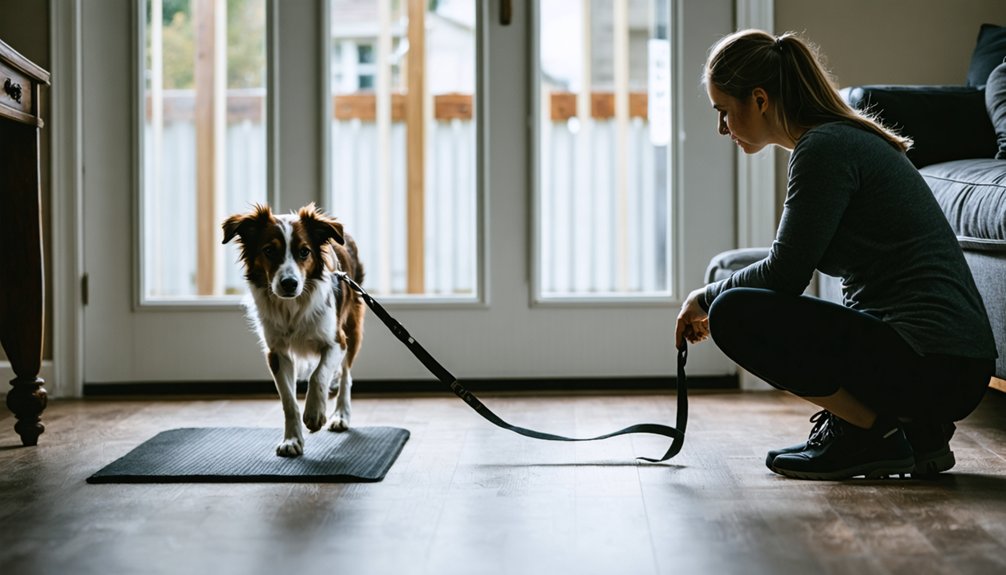
When separation anxiety starts to spike, trainers aim first to lower panic rather than push longer absences too soon. They often use the calming yo-yo exercise, stepping away briefly and returning while the dog remains settled, showing that calm behavior reconnects the family fastest. These quick calm techniques reduce distress without confusing reinforcement. In this exercise, the owner’s return is the primary effective reinforcer.
Experts then rely on rapid desensitization only within the dog’s comfort range: seconds alone, repeated calmly, never past the panic threshold. Departure cues such as keys, shoes, or a purse are practiced without leaving, so those signals lose their charge. Trainers also keep exits and returns quiet, rewarding relaxed body language with gentle praise, treats, or toys. For many households, science-based CSAT protocols make these short sessions feel structured, supportive, and possible during recovery.
Daily Habits That Ease Separation Anxiety
Consistency often makes the biggest difference in easing separation anxiety, because predictable daily habits help dogs feel safer and less startled by absences.
Trainers often recommend Consistent routines for meals, walks, play, and return times, even on weekends at first, so the dog learns what to expect.
A short walk before alone time, ideally 15 to 20 minutes with chances to sniff, can lower tension and help the body settle.
Mental enhance also matters. Puzzle feeders, frozen KONGs, scent games, and safe chew items can give the dog a focused job during departures, building a more positive association with time apart.
Experts also favor brief daily practice absences, starting small and increasing gradually, so independence becomes familiar rather than isolating.
This steady structure helps dogs feel more secure overall.
What Not to Do With Separation Anxiety
Helpful routines can ease separation anxiety, but certain well‑meant responses can quietly make it worse. Experts note that sneaking away may reduce tears in the moment, yet it weakens trust and makes the next separation feel less safe. Lingering during goodbyes can also heighten distress by stretching out the phase and emotional buildup.
Using rewards or punishments often misses the point, because anxiety is not misbehavior. Ice cream, threats, or lectures may increase pressure without building coping skills. Showing visible parental distress can signal that separation is dangerous, which deepens clinginess. Avoiding reassurance should not mean coldness, but rather offering calm, brief confidence. Ignoring triggers is also unhelpful; removing every upsetting situation can reinforce fear and limit a child’s growing sense of confidence and belonging.
When Separation Anxiety Starts Hurting Daily Life
Clarity matters most when separation anxiety begins to disrupt ordinary life rather than simply make changes difficult.
It can show up as falling behind in class, avoiding peers, refusing school or work, or struggling to function at home because distress stays high. Some people miss chances to build confidence, independence, and connection.
Relationships may strain when reassurance seeking becomes constant through calls, texts, or clinginess, even at home.
Physical symptoms such as stomachaches, headaches, dizziness, palpitations, vomiting, or panic can interrupt sleep, outings, and concentration.
Experts note that the mind triggers coping attempts meant to create safety, yet these patterns can look controlling or overprotective.
Mindful grounding may help some notice symptoms earlier, especially when separation anxiety appears alongside depression, phobias, OCD, or social anxiety.
How to Get Help for Separation Anxiety
When separation anxiety starts to interfere with school, work, relationships, or daily routines, getting professional help can make a meaningful difference. A mental health professional can assess whether symptoms reflect temporary stress or separation anxiety disorder, then recommend care that fits the person’s needs and circumstances.
Therapy access matters because early support can reduce distress and strengthen connection. CBT is often the first-line approach, with exposure work helping people face separation fears gradually. Talk therapy, DBT, individual therapy, family therapy, school-based counseling, play therapy, and relationship counseling can also build coping skills and trust. Medication options may be considered when symptoms are severe or therapy alone is not enough, with clinicians monitoring benefits and side effects. Support groups, online communities, loved ones, and crisis lines also help.
References
- https://lightfully.com/separation-anxiety-do-these-7-symptoms-resonate-with-you/
- https://www.hhills.com/rehab-blog/3-signs-you-have-a-separation-anxiety-disorder/
- https://www.chop.edu/news/health-tip/separation-anxiety-whats-normal-and-when-worry
- https://my.clevelandclinic.org/health/diseases/separation-anxiety-disorder
- https://wekivacenter.com/blog/separation-anxiety-disorder-what-to-know/
- https://www.mayoclinic.org/diseases-conditions/separation-anxiety-disorder/symptoms-causes/syc-20377455
- https://paloverdebh.com/blog/5-symptoms-of-separation-anxiety-in-adults/
- https://childmind.org/article/what-is-separation-anxiety/
- https://www.uofmhealthsparrow.org/departments-conditions/conditions/separation-anxiety-disorder
- https://www.medicalnewstoday.com/articles/322070