
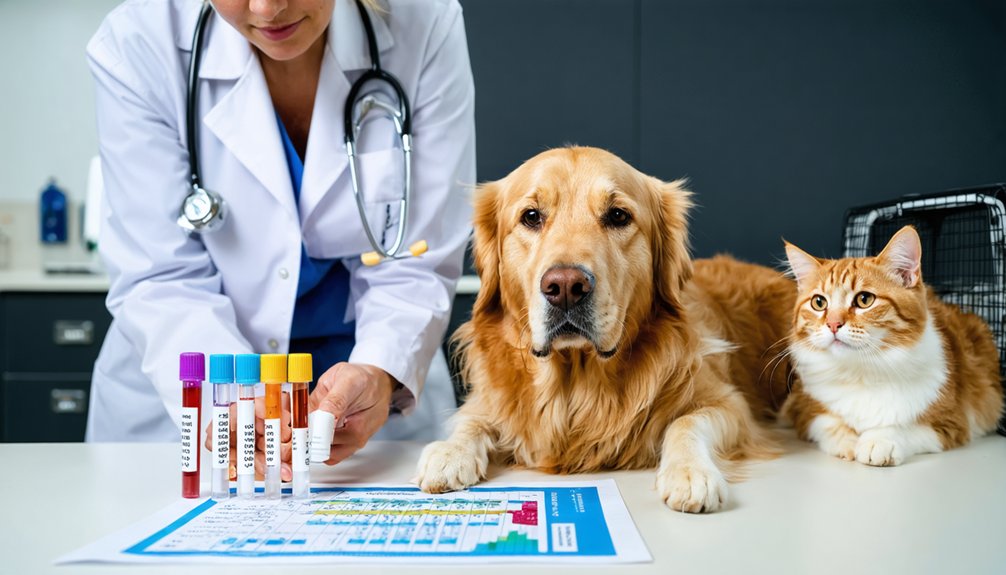

Pet lab work helps veterinarians spot hidden problems before symptoms become obvious. A CBC checks red and white blood cells and platelets for anemia, infection, inflammation, and clotting concerns. A chemistry panel evaluates organs such as the liver, kidneys, pancreas, and thyroid, while glucose and urine testing add clues about diabetes, hydration, and infection. These results are most useful when compared over time. The sections ahead explain what each value can reveal about a pet’s health.
Highlights
- Pet lab work checks organ function, hydration, infection, inflammation, anemia, and hidden disease before obvious symptoms appear.
- A CBC measures red cells, white cells, and platelets to detect anemia, infection, immune response, and clotting problems.
- Chemistry panels assess liver, kidneys, pancreas, thyroid, and blood sugar to guide diagnosis and treatment decisions.
- Urinalysis adds important clues about kidney function, diabetes, infection, crystals, bleeding, and hydration status.
- Regular wellness testing creates a baseline and tracks trends over time, helping catch problems earlier and improve outcomes.
Why Pet Blood Tests Matter
Why do pet blood tests matter so much? They reveal changes long before a pet looks sick, helping veterinary teams detect kidney disease, liver disease, diabetes, and thyroid disorders early. Routine testing can uncover subtle shifts, such as rising kidney values or elevated liver enzymes, when treatment is most effective and reassuring for families. They can also detect hidden disease indicators early, even before obvious symptoms appear. In urgent situations, these tests provide real-time data that helps veterinarians make fast treatment decisions.
Bloodwork also builds a personal health baseline, making later comparisons more meaningful. Trends within normal ranges may still signal concern, especially in seniors or pets on medication. Chemistry panels and CBCs assess organ function, hydration, infection, inflammation, anemia, and clotting. Results can also support decisions related to Pet genetics and Nutritional deficiencies, offering a fuller view of wellness. For many households, this preventive information strengthens confidence, supports timely care, and helps pets stay healthier, longer, together. Annual testing is recommended for nearly all adult cats and dogs as part of preventive care.
When Your Pet Needs Lab Work
Timing often makes pet lab work most useful, because testing can confirm current health, uncover hidden problems, and guide care before symptoms become obvious.
At a first veterinary visit, results create baseline values, support early treatment choices, and prepare pets for spay or neuter procedures safely. These first results also establish individual normal ranges for future comparison. Yearly blood work is also valuable for young pets because baseline results make future changes easier to spot.
Yearly wellness testing helps veterinarians track trends, monitor organs, and find parasites, infections, or silent disease. It can also reveal early signs of illness before a pet shows obvious symptoms.
Senior pets often need checks every six months, since age raises risk for kidney disease, diabetes, and thyroid changes.
Before surgery, lab work helps confirm anesthesia safety and reduce complication risk.
During vomiting, diarrhea, weight loss, or unusual behavior, testing helps identify causes quickly and guide medication decisions.
This insurance handling timing also supports planning, while Pet genetics and individual history help shape a pet’s testing schedule.
What a CBC Tells You
A complete blood count, or CBC, gives a broad snapshot of a pet’s blood cells and often helps explain signs such as weakness, fever, bruising, or fatigue. It measures red blood cells, white blood cells, and platelets, helping veterinary teams see patterns that fit the pet’s symptoms and history. It is also a quick, relatively inexpensive test that offers a health snapshot.
Red cell results include RBC count, hemoglobin, and hematocrit, which help identify anemia or unusually high counts linked with dehydration or lung disease. Red cell indices such as MCV, MCH, MCHC, and RDW provide cell detail that can help detect anemia or nutrient deficiencies.
White cell results look for infection, inflammation, and immune response, including changes in neutrophils or monocytes. In many cases, a CBC can also help detect problems before obvious symptoms appear by providing an early warning sign.
Platelet numbers and mean platelet volume help assess clotting and bleeding risk.
CBC interpretation also considers cell morphology, since abnormal size or shape can suggest deficiencies, marrow disease, immune disorders, or blood cancers.
Because normal ranges vary, professional guidance matters for each pet.
What a Chemistry Panel Checks
How does a chemistry panel add to the illustration? It measures electrolytes, enzymes, glucose, proteins, calcium, phosphorus, and other blood chemicals to show how major body systems are functioning. In practice, it helps veterinarians evaluate kidneys, pancreas, hydration, nutrition, and overall stability, often alongside a CBC for a fuller depiction.
Kidney markers such as BUN and creatinine reflect filtration and waste clearance, while Electrolyte trends in sodium, potassium, calcium, and phosphorus can point to dehydration, digestive upset, or seizure risk. Glucose helps identify diabetes and some hormone disorders. Enzyme patterns may suggest pancreatic involvement without focusing narrowly on one organ. Chemistry panels also guide pre-anesthetic safety, monitor chronic illness, and track treatment response. Blood-chemistry panel screening also helps assess liver function as part of a broader review of organ health. It can also reveal hydration status through protein and electrolyte patterns. Because pets often hide symptoms, these results help families feel informed, included, and prepared together. Regular testing can support early detection of health changes before obvious symptoms appear.
How Pet Blood Tests Show Liver Health
Beyond kidney values and electrolytes, blood work also helps illustrate liver health by showing whether liver cells are injured, bile flow is disrupted, or the organ is no longer producing key substances normally.
ALT rises with liver cell damage, while AST can also increase with heart or muscle injury.
ALP may suggest bile flow problems, and GGT is especially useful in cats. Liver enzyme patterns can help veterinarians recognize hepatocellular damage versus cholestasis.
Liver enzyme trends matter, since medications such as corticosteroids or phenobarbital can affect results.
A chemistry panel also reflects liver function through albumin, glucose, urea, cholesterol, and total bilirubin. This is part of a broader biochemistry panel that measures blood chemicals and enzymes to evaluate organ health.
Low albumin may signal severe dysfunction, and Serum protein ratios can add perspective.
Decreases in glucose, urea, or cholesterol may accompany advanced impairment.
Higher bilirubin can point toward liver disease, bile duct obstruction, or red blood cell breakdown.
A urinalysis can sometimes reveal bilirubin in urine before blood abnormalities become obvious.
How Pet Blood Tests Check Kidneys
Why do kidney values matter so much on a pet’s blood test? They help the veterinary team assess waste removal, hydration assessment, electrolyte balance, mineral control, and hormone-related blood pressure links.
Traditional renalney biomarkers such as BUN and creatinine can suggest declining kidney function, but they often rise only after substantial loss. Because BUN can shift with diet or muscle, it is interpreted carefully.
For early detection, many panels include SDMA. SDMA trends can reveal filtration changes sooner and are less affected by body condition.
Urinalysis adds proteinuria indicators, urine concentration, and signs of irritation or bleeding. Phosphate monitoring and calcium control help gauge severity.
Imaging correlation with ultrasound or X-rays may confirm stones or structural change, giving families a clearer, more reassuring image together.
What Lab Work Can Reveal About the Pancreas
When pancreatic inflammation or poor enzyme production is suspected, lab work helps the veterinary team distinguish acute injury from longer-term digestive dysfunction.
In blood panels, serum lipase is the preferred marker because it is more specific to the pancreas than amylase. Values more than three times normal raise strong concern for pancreatitis, especially when paired with vomiting, nausea, or abdominal pain. Amylase can rise too, but it is less precise.
For chronic digestive problems, stool testing offers added clarity. A stool elastase result shows whether the pancreas is making enough protein-digesting pancreatic enzyme. Low levels can help explain weight loss, diarrhea, or greasy, floating stool.
Because other illnesses can also raise lipase, veterinarians interpret these results alongside symptoms, imaging, and repeat testing when needed for clearer answers.
Why Thyroid, Glucose, and Urine Matter
How do seemingly simple tests uncover so much? Thyroid monitoring helps identify common hormone disorders early. In dogs, low thyroid levels can explain sluggishness and other gradual changes. In older cats, excess thyroid hormone often causes weight loss despite a strong appetite, restlessness, and strain on the heart. Because no single value tells the whole story, veterinarians use a thyroid panel for accuracy.
Glucose testing adds another layer of protection. High blood sugar can point to diabetes, while low levels may signal serious illness. Since stress can briefly raise glucose, especially in cats, urine analysis helps confirm whether sugar has stayed raised over time. Urinalysis also checks concentration, protein, cells, bacteria, and crystals, offering early clues to kidney disease, infection, stones, and dehydration before damage becomes harder to reverse.
How Vets Read Abnormal Lab Work
A flagged lab result is not read in isolation. Veterinarians compare it with species-specific reference ranges, the pet’s history, exam findings, age, breed, and current signs. They weigh binary trends more heavily than one odd number, because isolated changes may matter less, and some low values, such as RDW, may offer little diagnostic value.
They then ask what the pattern suggests. Low RBC, HGB, or HCT can indicate anemia or bleeding. High WBC may reflect infection, inflammation, stress, or leukemia, while low WBC can accompany overwhelming inflammation or marrow failure. Chemistry changes help narrow organs involved: ALT, ALKP, or GGT may support liver disease; BUN and creatinine may suggest reduced kidney function. Platelets, electrolytes, albumin, and drug effects can also shift interpretation and guide confirming tests.
How Wellness Panels Help Catch Problems Early
Wellness panels extend that same pattern-based approach by looking for subtle changes before a pet appears sick.
Through early detection, they can reveal hidden concerns while a dog or cat still seems normal at home.
Blood pressure changes, diabetes markers, cholesterol shifts, and other silent problems may appear in screening results before obvious symptoms develop.
These panels also support risk stratification, giving veterinarians a clearer baseline and a way to track trends over time.
That broader view helps guide timely treatment, diet changes, and monitoring plans that may prevent more serious complications.
When issues are found sooner, pets often have more options, including less invasive care and fewer emergency visits.
For families, that can mean lower costs, less stress, and greater confidence that a beloved companion is being cared for proactively and well.
References
- https://www.livermorefamilypet.com/services/blog/bloodwork-101-understanding-your-pets-blood-tests
- https://www.bartonheights.com/site/blog/2024/05/15/understanding-blood-tests-dogs
- https://www.tlcvetelpaso.com/blog/1328661-a-beginners-guide-to-understanding-your-pets-blood-test-results
- https://www.suncityvet.net/services/testing-diagnostics/understanding-your-pets-test-results
- https://www.vranimals.com/site/blog/2023/03/30/understanding-your-dogs-blood-test-results
- https://www.aaha.org/resources/the-abcs-of-dog-blood-work-what-those-results-really-mean/
- https://www.petmd.com/dog/procedure/blood-work-for-dogs-and-cats
- https://vcahospitals.com/know-your-pet/wellness-testing-for-dogs
- https://www.kananvet.com/blog/the-importance-of-blood-testing-in-pets-at-oak-park
- https://summitvetcareal.com/2025/10/13/what-do-emergency-veterinary-blood-tests-check-for-and-why-are-they-important/