A senior pet care checklist should track weekly changes in weight, appetite, water intake, urination, mobility, teeth, gums, skin, ears, and behavior. Vets recommend noting stiffness, slipping, accidents, bad breath, lumps, confusion, pacing, or altered sleep, since these can signal pain or hidden disease. Home support matters too, including non-slip flooring, ramps, orthopedic beds, and senior-appropriate nutrition. Consistent notes help veterinarians spot trends early, and the sections ahead explain what to watch more closely.
Highlights
- Track weekly appetite, water intake, and weight trends; sudden changes can signal illness and should be discussed with your veterinarian.
- Watch mobility for stiffness, limping, slipping, or trouble standing; use ramps, non-slip surfaces, and orthopedic bedding for support.
- Check teeth, gums, skin, and ears weekly for odor, redness, lumps, sores, discharge, or chewing changes.
- Monitor urination, accidents, stool, thirst, and behavior changes like confusion, pacing, or nighttime restlessness for early disease clues.
- Schedule veterinary exams every six months, bringing your home notes to help detect arthritis, dental disease, kidney issues, and cognitive decline early.
Build Your Senior Pet Care Checklist
How can a senior pet care checklist stay useful over time? It helps when observations are simple, repeatable, and compared week to week. A practical list includes mobility notes such as stiffness after rest, trouble standing, limping, hesitation on stairs, and changes in turning or daily activity to support Joint health. Weight should also be recorded regularly to flag weight change monitoring that may signal underlying health concerns.
Sensory screening can fit under behavior checks by noting confusion, altered sleep, withdrawal, anxiety, pacing, or reduced response to familiar cues. Senior pets also benefit from veterinary visits every six months to support early detection of age-related conditions. These visits often include blood screening and urinalysis for early diagnosis of hidden disease.
The checklist also benefits from weekly mouth, skin, and hydration reviews. Teeth and gums can be checked for tartar, redness, bleeding, drooling, swelling, or chewing pain.
Skin and coat checks can note lumps, dryness, sores, itching, or hair loss.
Hydration can be tracked through gum moisture, skin tenting, thirst patterns, urine changes, and lethargy for timely veterinary follow‑up.
Check Weight and Appetite Every Week
Although appetite and weight can shift gradually in older pets, a weekly check makes subtle changes easier to spot before they become serious.
Households can note how often a pet eats, drinks, or approaches the bowl, while also watching for pickiness, begging, or reduced interest in food. Reduced vision or smell can be an age-related factor that affects appetite in senior pets.
If a pet stops eating entirely, veterinary attention is needed immediately.
Weight trends are easier to interpret when weigh-ins happen consistently, ideally at the same time of day, with regular checks of ribs and waistline. Sudden weight loss or gain can be a warning sign of an underlying health problem in senior pets.
Because ideal weight differs by pet, veterinarians help set targets and adjust frequency.
Calorie tracking, measured portions, and senior‑specific diets can support healthy weight management. Vets often base weight-loss feeding plans on a pet’s ideal weight rather than current weight to set a safe calorie goal.
A simple journal or app helps connect changes with treats, medications, diet shifts, or season, giving the veterinary team clearer guidance.
Watch Senior Pet Mobility at Home
Mobility changes often appear alongside shifts in appetite or weight, and watching movement at home can reveal problems while they are still manageable. Weekly observation helps families notice Joint stiffness, lagging on walks, or trouble standing, lying down, jumping, or climbing stairs before decline becomes severe. Early detection of these changes can help prevent major falls or loss of the ability to stand. Using ramps for steps, couches, and car entry can support safer movement for pets with declining mobility. In-home comfort care can provide gentle support through pain relief, environmental adjustments, and other personalized strategies that help senior pets move more comfortably.
Useful signs include slipping on smooth floors from reduced Paw grip, wobbling back legs, limping, dragging paws, weight shifting, or a swaying hind end. Some pets avoid slippery rooms, sleep in new places to skip climbing, stop playing, vocalize when rising, or lick joints and paws. These patterns can reflect arthritis, hip dysplasia, neurological disease, injury, or other treatable conditions. Good lighting on stairs, careful notes on routine changes, and prompt veterinary attention for pain or refusal to move help pets stay safer longer.
Inspect Teeth, Gums, and Breath
Inspecting a senior pet’s teeth, gums, and breath each week can reveal dental disease early, when treatment is usually simpler and less painful. Caregivers should check for plaque, tartar, broken teeth, and red or bleeding gums. Breath odor that steadily worsens, excessive drooling, mouth pawing, dropping food, or chewing on one side can signal pain or infection.
Because dental disease affects most pets by their senior years, weekly checks support gum health and comfort. Plaque hardens into tartar, which can inflame tissues, loosen teeth, and allow infection to affect the heart, kidneys, or liver. By age three, most pets already show some degree of periodontal disease. Daily brushing with a soft pet toothbrush and enzymatic toothpaste helps, along with VOHC‑approved products. Human toothpaste should be avoided. Veterinary dental exams and cleanings remain essential for customized prevention and treatment plans. Senior pets need extra dental care because aging can weaken teeth, gums, and jaw structures. A well-balanced, meat-based diet can help support a healthy oral environment.
Look Over Skin, Coat, and Ears
After the mouth check, a quick review of the skin, coat, and ears can uncover problems that are easy to miss in senior pets until they become uncomfortable or infected.
Weekly checks should note Skin texture, sores, lumps, bald spots, redness, fleas, ticks, and mats that can trap moisture or hide tumors. Because skin helps prevent water loss, changes in condition can affect comfort and overall health. Prompt veterinary examination is important if you find masses, ulcerations, or scabs lasting more than a week, as early detection helps preserve quality of life.
Hair loss with scratching, insect-bite bumps, or crusts on ear tips and pinnae may point to allergies, parasites, or dermatitis.
Regular brushing removes dead hair, burrs, and grass seeds, and long-haired pets often need more during shedding. Early detection of lumps or infections through hands-on checks can improve treatment success.
For Ear hygiene, healthy canals look open, calm, and lightly waxed. Swelling, odor, heavy wax, discharge, crusting, or pain with touch warrant veterinary attention.
When cleaning is advised, use approved ear solution, massage gently, wipe with cotton, and avoid swabs.
Notice Behavior Changes Early
Because behavior often changes before a physical problem is obvious, routine observation of a senior pet’s habits can help identify pain, sensory decline, anxiety, or early cognitive dysfunction.
Weekly checks can note pacing, whining, night restlessness, increased vocalization, withdrawal, or excessive panting.
These patterns support early detection and help families respond promptly.
Senior pets may sleep more, become active at night, seem confused in familiar spaces, or stare blankly.
Some hesitate before jumping, lose stamina, stop playing, or repeat actions such as circling or licking.
Others show irritability, reduced tolerance, growling, or snapping linked to pain, arthritis, or sensory loss.
Because about half of dogs over 10 show disorientation or reversed sleep patterns, caregiver training and veterinary exams every six months strengthen monitoring and support care.
Track Drinking, Peeing, and Accidents
Track water intake, urination patterns, and household accidents consistently, since changes in these basic habits often provide some of the earliest clues to illness in senior pets.
Weekly fluid intake tracking, urination notes, hydration monitoring, urine volume, accident frequency, nighttime trips, and litter box usage can reveal problems before they appear severe.
In senior pets, increased drinking and urination may signal kidney disease, diabetes mellitus, Cushing’s disease, urinary infection, or diabetes insipidus.
Families may also notice lethargy, appetite changes, weight loss, painful urination, unusual urine color or odor, or bloody urine.
Veterinarians often compare home observations with exam findings, blood work, and urinalysis trends to identify causes.
Prompt reporting matters because early diagnosis supports more effective treatment, comfort, and a stronger sense of reassurance for everyone involved together.
Make Your Home Easier to Navigate
Changes in drinking and bathroom habits often appear alongside mobility changes, so home setup deserves attention as senior pets become less steady, less flexible, or less confident moving around.
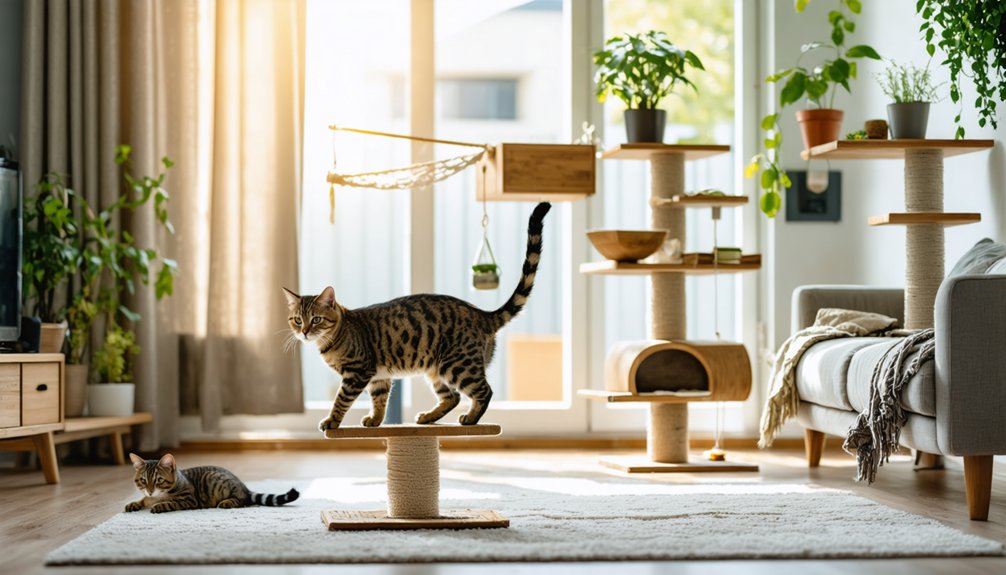
Non slip mats, carpet runners, and anti-slip stair treads can improve footing on slick floors and steps, while traction socks may help some pets stay stable.
Ramped access to beds, sofas, cars, and favorite resting spots reduces jumping and strain. Baby gates can block unsafe stairs, and keeping furniture in consistent places supports pets with poorer vision.
Floors are safest when clutter, shoes, and toys are removed.
Orthopedic beds placed in quiet, draft‑free areas help joints rest, especially when essentials stay nearby.
Raised bowls and extra water stations on the same floor can also make daily movement easier and less tiring for older companions.
Feed a Senior Pet for Healthy Aging
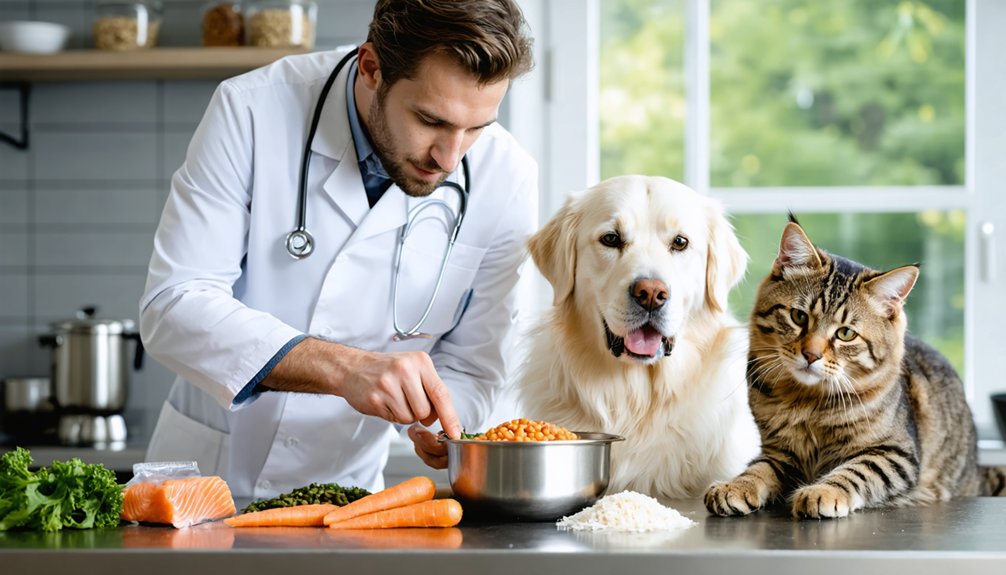
For many senior pets, nutrition becomes one of the most important tools for preserving comfort, strength, and quality of life. Weekly feeding checks help families support healthy aging with confidence. Calorie reduction often matters because older dogs typically need fewer daily calories, and excess weight can worsen joint strain, heart stress, and diabetes risk. Monitoring body condition, portion size, and treat calories helps protect mobility and longevity.
Protein prioritization is equally important. Senior dogs need ample, highly digestible animal protein to preserve lean muscle and strength as aging changes metabolism. Moderate fat, omega-3s, and joint-support nutrients can improve comfort without unnecessary calorie density. Wet food, moistened kibble, probiotics, and less-processed ingredients may also aid hydration, digestion, and nutrient absorption, helping senior pets stay nourished, comfortable, and connected at home.
Know When Your Senior Pet Needs the Vet
Good nutrition supports healthy aging, but it cannot replace timely veterinary care when new warning signs appear.
Confusion, wall staring, nighttime crying, or new house soiling can reflect cognitive dysfunction syndrome, which is common in aging dogs and may improve with early support.
Bad breath, drooling, chewing on one side, bleeding gums, facial swelling, persistent coughing, altered breathing, increased thirst, vomiting, weight loss, fatigue, or a swollen abdomen all warrant prompt veterinary assessment.
These changes can signal dental infection, heart disease, kidney disease, or declining lung function.
Difficulty breathing at rest needs immediate attention.
Weekly home checks help families feel prepared and connected to their pet’s care team.
During visits, veterinarians may discuss diagnostics, a vaccine schedule, professional dental care, and a medication review to protect comfort and quality of life.
References
- https://www.parkgrovepethospital.com/senior-dog-care-guide/
- https://www.elstonvets.co.uk/a-7-point-checklist-to-supercharge-your-seniors/
- https://goldenpawscare.com/wp-content/uploads/2025/09/Weekly-Wellness-Checklist.pdf
- https://www.missionveterinaryspecialists.com/blog/pet-owners-guide-healthy-pet-checklist
- https://assets.ctfassets.net/rt5zmd3ipxai/2KkFOnZ1aoBfNJfZQfH9YL/0d72772e0f2d1dd1e046d4977888559e/NVA-BCAH-Senior-Dog-Wellness-Checklist.pdf
- https://www.levittownvet.com/annual-pet-wellness-checklist-exams-vaccines-health-tips/
- https://www.valleyofthevets.com/blog/92839-senior-pet-care-checklist-for-the-upcoming-new-year
- https://www.aaha.org/wp-content/uploads/globalassets/02-guidelines/2023-aaha-senior-care-guidelines-for-dogs-and-cats/resources/2023-aaha-senior-care-guidelines-for-dogs-and-cats.pdf
- https://www.vetinbrooklyn.com/blog/1371262-ultimate-checklist-senior-pet-wellness-visit-expectations
- https://montgomeryanimalhospital.com/wp-content/uploads/2025/01/Canine-Senior-Care-Recommendations-1.pdf