A solid pet emergency plan includes a home kit with a labeled carrier, bedding, leash, first-aid supplies, 3–5 days of food, water, bowls, and a two-week supply of medications. Records should go in a waterproof grab bag with vaccination papers, vet files, ownership proof, photos, and microchip details backed up digitally. App alerts from Red Cross, tele-vet platforms, and smart monitors improve response speed. The essentials below show how to assemble each part correctly.
Highlights
- Build a home emergency kit with a ventilated carrier, washable bedding, thermometer, leash, ID tags, and a labeled first-aid kit.
- Store 3–5 days of food, water, bowls, a manual can opener, and a two-week supply of medications in waterproof containers.
- Keep veterinary records, vaccination papers, medication histories, and ownership documents in a waterproof grab bag with cloud-based digital backups.
- Use visible ID tags and an updated microchip registry; add recent photos and proof of ownership for faster recovery.
- Install pet emergency apps for first aid, vet access, hospital locators, and household alerts during evacuations or sudden medical crises.
Build a Pet Emergency Kit First
Building a pet emergency kit should be the first step in disaster planning, because safe evacuation depends on having essential supplies ready before an emergency begins.
A complete kit includes a leash, collar with current ID tags, and a secure strap, so Pet..,. procedures,, remain organized if separation occurs. Microchipping adds permanent identification recognized by most shelters.
An appropriate carrier or crate, labeled with owner details and lined with bedding, supports transport and reduces Pet anxiety during displacement.
A pet first aid kit, guidebook, paper towels, plastic bags, and disinfectant help manage minor injuries and accidents.
Waterproof copies of vaccination records, veterinary contacts, microchip numbers, and medical notes protect continuity of care. Keep vaccination records and emergency veterinary contacts, including Midland Animal Hospital at (706) 323‑8316, in the kit for quick access. Pack at least 3‑5 days of non‑perishable pet food and sealed water as emergency supplies for evacuation.
Training,, families to store waste bags, litter supplies, flashlights, batteries, towels, and familiar toys strengthens readiness and collective confidence. Include a written summary of your pet’s feeding schedule, medical conditions, and special needs as care notes for emergencies.
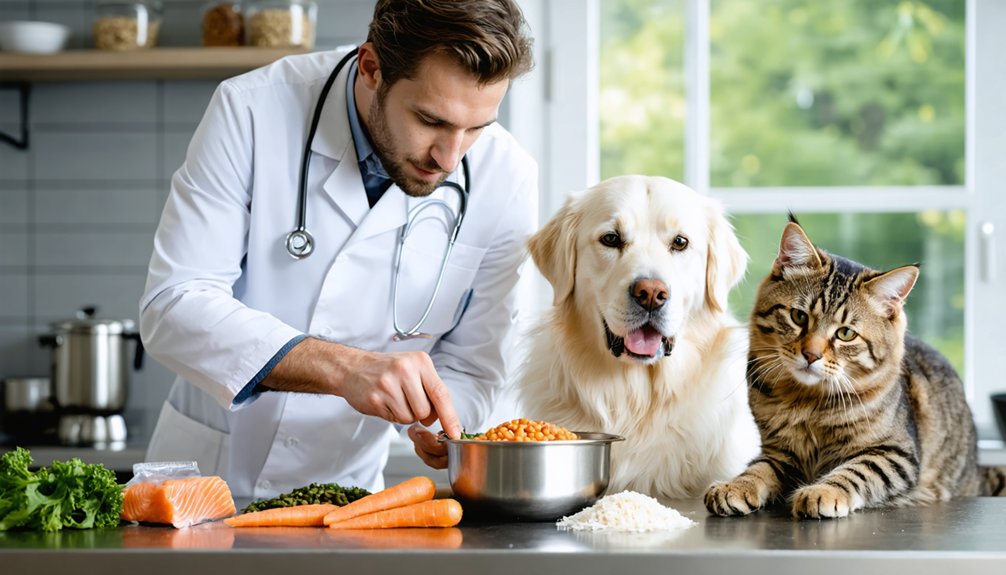
Pack Pet Food, Water, and Meds
Alongside identification and transport supplies, pet food, water, and medications should be packed in amounts that sustain each animal through both evacuation and delayed recovery.
A minimum three-day reserve is essential, while a two-week supply offers stronger protection when stores empty quickly or shelter access is delayed. The Pet Emergency Kit is designed for a 3-day supply of essentials, though food is not included.
Each pet’s usual diet food should be sealed in waterproof, pest-resistant containers, with feeding directions kept alongside supplies. Available in both dog and cat versions, the kit offers a simple solution for including pets in broader emergency plans.
Include a manual can opener and non-spill bowls for transport.
Water planning should follow body weight, with at least one-half to one ounce per pound daily.
Water rotation matters: foil-sealed pouches support long storage, while bottles expire sooner.
A two-week water supply is ideal.
Prescription medicines, preventatives, and basic emergency items should cover two weeks, with clear medication scheduling and veterinary-approved dosing guidance. Keep an emergency contact list with your veterinarian, local animal shelter, and pet poison control numbers stored with these supplies.
Store Pet Records in Waterproof Grab Bags
Why risk losing critical records when evacuation may happen in minutes? Pet households benefit from a waterproof grab bag that keeps veterinary files, medication histories, vaccination papers, and ownership documents together, protected, and ready. A Blueberry Pet e-Gift Card can also be useful to keep on hand for emergency pet supply purchases, with instant delivery and no expiration.
Practical options measure 11 by 15 inches, fit legal and A4 pages flat, and hold roughly 300 sheets without adding much weight. If you order one online, free shipping from Türkiye to the United States may help reduce upfront costs.
Reliable models use fire-resistant silicon coating, aluminum, and itch-free fiberglass, with double closures such as hook-and-loop fasteners and zippers to prevent spills. Many are rated up to 1,000°F for fire protection, which can add peace of mind during fast-moving household emergencies. Some include an EVA hard shell, canvas cover, or heavy-duty vinyl for added structure.
Because most are splash-resistant rather than submersible, placement still matters. A Digital backup with Cloud sync strengthens continuity, while storing the bag in a fireproof safe adds another layer of dependable household preparedness.
Update Pet ID Tags and Microchips
Even when a pet has a microchip, accurate collar tags remain the fastest way to help others make contact during an emergency. Updated identification markedly improves reunion chances, while outdated records can delay or prevent return. ASPCA guidance supports pairing microchips with visible tags, since chips function as permanent backup rather than primary ID. Tags should list the pet’s name, owner name, phone number, and note microchipped status. Pet microchips work with nationwide recovery databases to help shelters and veterinarians reconnect lost animals with their owners. Microchips are not GPS trackers and cannot provide a pet’s real-time location.
Owners should verify chip details by scanning at a veterinary clinic, locating the registry, and confirming contact information annually. Because multiple registries, fees, lost paperwork, and database failures can complicate updates, keeping backups is prudent. A Tag redesign or QR code can expand access to key details, but basic readable information should remain visible. A digital pet profile with a QR code tag can be updated instantly after a move, so finders see current contact details right away. GPS trackers provide added reassurance too.
Add Pet First Aid Kit Essentials
Identification helps a lost pet get home, but a well-stocked pet first aid kit helps an owner respond in the first minutes after an injury or sudden illness.
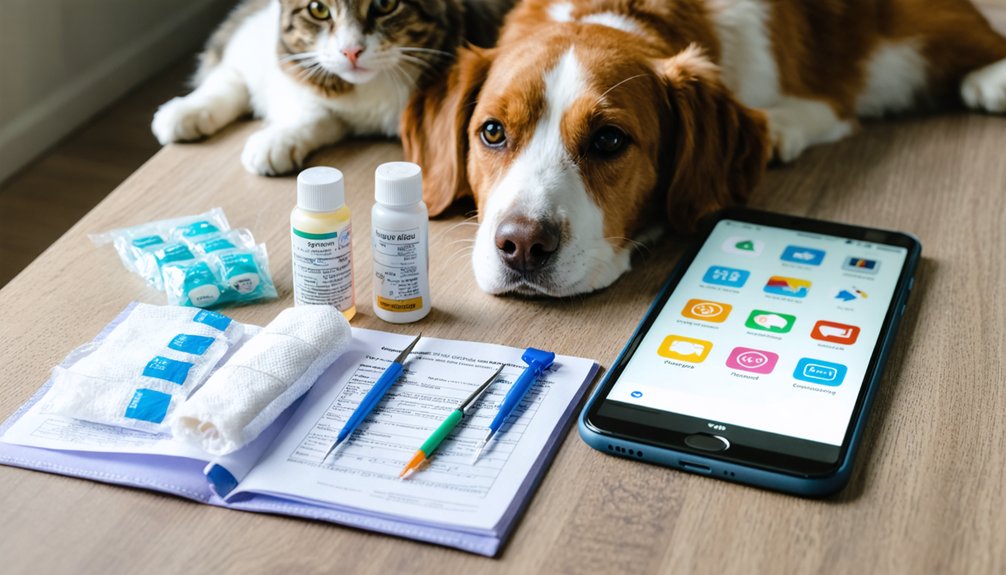
Core supplies include gauze pads, sterile dressings, and self-adhesive bandages to cover wounds, protect paw pads, and control bleeding.
Antiseptic wipes, alcohol prep pads, wound wash, and cotton-tipped applicators support careful cleaning.
Useful tools include blunt-ended scissors, tweezers, a syringe, plastic tweezers, and sterile gloves.
Stabilization items should include an ice pack, foil emergency blanket, tourniquet, Resuscitade, and antibiotic ointment packs.
A portable case or sealed bag keeps the kit ready at home or in a car. A waterproof container with clearly labeled compartments helps protect supplies and makes items easier to find quickly in an emergency.
Veterinary-directed medications, a two-week supply, First aid training, a checklist, and an Emergency contact list strengthen preparedness for every household. Include a thermometer so you can quickly check baseline vitals during an emergency.
Choose Carriers, Leashes, and Bedding
Three travel basics deserve careful selection: a secure carrier, a reliable leash or strap, and washable bedding that keeps a pet calm and stable in transit.
The right carrier allows standing, turning, and easy cleaning, while supporting visibility and strong carrier ventilation. The Arlo Skye Pet Carrier is airline-approved for in-cabin travel and fits under seats on major airlines including Southwest, American, United, Delta, and JetBlue.
For in-cabin trips, airline-compliant options such as the Arlo Skye Pet Carrier offer four-sided airflow, dual exits, and a removable memory foam mattress.
For car travel, PETSKD suits longer moves, while the Catit Cabrio adds seatbelt fastening, lateral ventilation grills, and a skid-resistant floor that converts into a bed.
Utilizes generally provide safer attachment than collars, especially with seatbelt-compatible designs.
Bedding comfort improves with leak-proof, removable padding and a familiar blanket or toy, helping pets feel secure and included throughout stressful travel moments.
Set Up App Alerts for Pet Emergencies
Once carriers, restraints, and bedding are in place, emergency app alerts add another layer of preparedness by speeding up decisions and communication when something goes wrong.
The Red Cross Pet First Aid App supports rapid action with guided steps, videos, early warning signs, and an animal hospital locator.
Telemedicine tools such as Pawp, PetDesk, and 11pets extend support through vet access, prompts, symptom tracking, and records.
For home monitoring, Petcube Smart Alerts can flag barking, meowing, people, or pet movement and capture pre-event video.
Pet Notify Emergency Alarms and PHaR strengthen the emergency notification workflow by sharing location, assigning care tasks, and requesting nearby help.
Effective alert alert customization guarantees the household receives timely, relevant prompts and responds as a coordinated, prepared community.
Save Vet, Shelter, and Microchip Contacts
When an emergency happens, fast access to the right contacts can save critical time and reduce confusion. Owners should organize vet contacts in several places: phone, a printed home list, and the car glove compartment. Include primary clinics, after-hours numbers, nearby 24/7 hospitals, and secondary referral centers. Saving addresses, landmarks, and emergency hotlines helps families act confidently, even on holidays or in unfamiliar neighborhoods.
Shelters, humane societies, ASPCA resources, and municipal animal control can also guide owners to affordable urgent care and licensed providers.
Microchip information deserves equal attention. Every pet should be registered in a national microchip database with current phone numbers and address details. Because emergency hospitals routinely scan incoming animals, accurate registration improves reunification and supports faster decisions when a pet arrives unidentified or requires transfer between facilities.
Keep Pet Photos and Ownership Proof Ready
Contact information helps owners reach assistance quickly, but photos and ownership records help confirm identity, authorize care, and resolve disputes if a pet is lost, injured, or transferred between facilities.
Effective Photo organization includes date‑stamped images across the pet’s life, especially owner interaction photos and visible belly tattoos.
Organized folders reduce the risk of missing evidence when time matters.
Ownership verification is strengthened by veterinary records listing the owner name, rabies certificates, and documented treatment history.
Bills of sale, adoption contracts, kennel club registration, and county license paperwork provide formal proof of transfer and compliance.
License tags and vaccination documents should be stored together.
Training certificates or show titles can further demonstrate investment and responsibility, helping owners present a complete, credible record trusted by clinics, shelters, and authorities.
Practice Your Pet Emergency Evacuation Plan
Practice the evacuation plan before an emergency forces rushed decisions.
Households and facilities benefit from defined roles: primary and backup coordinators, transport support, triage contacts with veterinary partners, and one person responsible for emergency communication.
Floor plans should mark exits, shut-offs, extinguishers, shelter areas, assembly points, and primary and alternate routes to temporary safe locations.
Regular drills help pets accept carriers, leashes, vehicles, and handling under stress.
A dr rehearsal can include open carriers, treats, familiar bedding, and quick checks of known hiding spots.
Livestock should be accustomed to trailers before any real evacuation.
Human safety remains first, followed by orderly animal movement by assigned responsibility.
Plans should also name safe havens, buddy support, and indoor shelter spaces when evacuation is not possible.
Review and update records often.
References
- https://bestfriends.org/pet-care-resources/pet-emergency-kit-checklist-and-plan
- https://www.petmd.com/dog/general-health/what-pack-your-dog-emergency-kit-how-prepare-your-pup-disaster
- https://vmc.vet.osu.edu/resources/assembling-emergency-kit-your-pets
- https://curicyn.com/product/curicyns-pet-care-kit-35-pieces/
- https://www.cdc.gov/healthy-pets/emergency-preparedness/preparedness-kit.html
- https://midlandah.com/blog/what-should-i-include-in-an-emergency-kit-for-my-pet-midland-animal-hospital/
- https://first-aid-product.com/disaster-survival/pet-emergency-disaster-preparedness-supplies.html
- https://www.prudentpet.com/emergency-disaster-checklist/
- https://www.emergencykits.com/emergency-kits/residential-emergency-kits/pet-emergency-kits/emergency-kit-for-dogs/
- https://www.homefrontemergency.com/petemsu.html