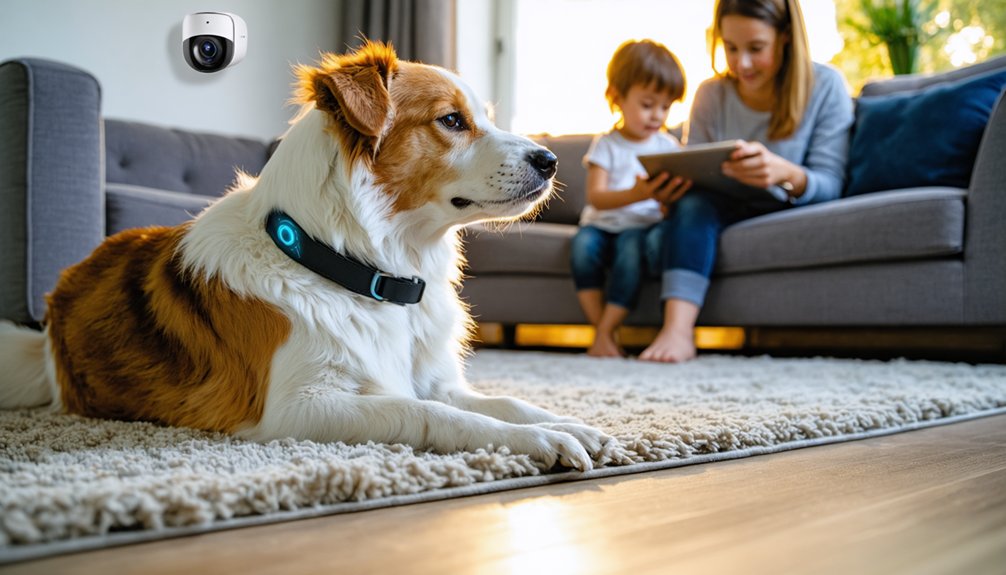
Pet telehealth works best for mild, stable concerns such as behavior issues, minor skin problems, mild stomach upset, sneezing, coughing, oral care advice, and follow-up for chronic conditions or medication changes. It is also useful for triage, helping owners judge whether symptoms are urgent, routine, or manageable at home. Pets still need in-clinic care for breathing trouble, severe pain, major wounds, diagnostic testing, or emergencies. The sections ahead explain how to choose confidently.
Highlights
- Virtual vet visits work best for mild, stable issues like behavior concerns, minor skin problems, sneezing, coughing, and slight stomach upset.
- Telehealth is useful for follow-ups, medication adjustments, chronic condition monitoring, and quick guidance on nutrition, exercise, or scooting behavior.
- In-clinic care is needed when pets require hands-on exams, diagnostic tests, dehydration checks, or monitoring for senior and medically fragile conditions.
- Seek immediate in-person care for trouble breathing, seizures, toxic ingestion, collapse, major wounds, inability to urinate, or rapidly worsening symptoms.
- Teletriage can assess urgency, reduce stress and travel, lower costs, and help owners decide whether home care, urgent visits, or emergencies are appropriate.
What Can Pet Telehealth Actually Treat?
Several categories of pet health concerns can be handled effectively through telehealth, particularly when the goal is guidance, monitoring, or early assessment rather than hands-on procedures. Common uses include behavioral counseling for crate training, puppy or kitten socialization, grooming etiquette, noise phobia, and home instruction on teeth brushing and oral care. Telehealth also supports client education, scheduling, and clearer communication between veterinarians and pet owners. It can also reduce anxiety by letting pets stay in their familiar surroundings during a home environment visit. Virtual care can also be a more affordable option for many owners because lower costs often come with reduced travel and clinic resource use. However, it is not for emergencies such as trauma or toxic ingestion, which require immediate in-clinic care.
It can address mild diarrhea, limping, sneezing, coughing, and many skin concerns through observation and history gathering. Nutrition is another strong fit, with diet planning, feeding questions, and broader wellness guidance handled remotely. Telehealth also helps with follow-up after treatment, chronic condition monitoring, treatment adjustments, and compassionate support for hospice, palliative care, and quality-of-life discussions.
When Is a Virtual Vet Visit Enough?
Often, a virtual vet visit is enough when the concern appears mild, stable, and clearly visible on camera, and when the goal is guidance rather than hands-on treatment.
It can support triage, screening, and assessment for slight stomach upset, minor itching, inconsistent stool, small visible wounds, or general wellness questions. It can also answer quick questions from home, such as whether scooting behavior or a small red spot needs attention.
It also fits behavioral concerns, such as litter training, scooting, nutrition, exercise, and routine monitoring of stable conditions.
A remote visit can help families feel informed and connected while making a sound decision about next steps.
It is especially useful for follow-up care between appointments or when travel is stressful.
Tele-triage can offer general advice by video, text, or email when no prior veterinarian-client-patient relationship exists.
Clear video, good lighting, and close pet positioning improve accuracy. Emergency signs like trouble breathing, seizures, or toxic ingestion mean in-clinic care should be prioritized instead of a virtual-only visit.
Insurance guidelines and VCPR rules may affect medication options, but telehealth still offers practical reassurance and direction.
When Does Your Pet Need In-Clinic Care?
Hands-on evaluation becomes necessary when a pet’s signs suggest pain, rapid change, or a problem that cannot be judged accurately through a screen.
In-clinic care is typically the safer choice when a veterinarian needs to examine the abdomen, listen to the heart and lungs, assess dehydration, test blood or urine, or take X-rays. For older pets, biannual check-ups are often recommended because senior animals may need closer monitoring of organ health and prior medical issues. During these visits, veterinarians often perform routine measurements such as weight, temperature, pulse, and respiration rate.
It is also important when symptoms point to possible emergency‑care, including trouble breathing, repeated vomiting, collapse, seizures, major wounds, or inability to urinate. Immediate attention is especially important for blood in stool or persistent diarrhea.
Young, senior, and medically fragile pets may need quicker in-person attention because they can worsen faster.
For many households, clinic costs are a real concern. Still, timely examination can prevent delays, reduce complications, and help families feel confident they are doing the right thing for a pet who depends on them each day.
When Is Pet Telehealth Good for Triage?
When telehealth is used for triage, its value lies in helping determine how serious a pet’s symptoms appear and what should happen next.
Licensed veterinarians assess severity, duration, and circumstance, using video, photos, file sharing, and symptom checkers to sort concerns into emergency, urgent, or non-urgent categories.
That process helps distinguish mild irritation from signs such as sudden vomiting, diarrhea, or possible toxic ingestion.
Teletriage is especially useful after hours, when uncertainty can feel isolating. Many after-hours concerns turn out to be non-emergency cases.
It offers clear guidance on whether a pet needs immediate in-clinic care, follow-up, or safe home care such as hydration, rest, or gentle cleaning. It can also identify red-flag symptoms that should never wait for treatment.
It also supports remote monitoring, shares records with the primary veterinarian, and can reduce unnecessary emergency visits, saving time, stress, and clinical service insurance costs for families. This kind of virtual assessment is known as veterinary teletriage.
Which Pets Benefit Most From Telehealth?
Which pets stand to gain the most from telehealth? Cats with chronic conditions are strong candidates, especially those with feline arthritis, because video visits support remote monitoring when pain signs are subtle at home. In one UC Davis study of 106 owners of cats with mobility concerns, more than 95% said they would pay for telehealth.
Pets needing behavioral guidance also benefit, as virtual care can support ongoing plans and help determine whether in-person follow-up is necessary. Telehealth is also well suited for follow-up care, including repeated check-ins, medication refills, and general advice after an initial virtual visit. Animals requiring chronic care management may gain from repeated check-ins, nutrition advice, and shared digital records across providers. Many services also provide 24/7 access, which can be especially helpful for pet parents managing ongoing conditions or late-night concerns.
Telehealth also serves pets in households with busy schedules or remote locations, offering timely access for routine questions. For anxious animals, familiar surroundings can support sen stress management and steadier observation of everyday behavior patterns. It can also reduce the stress of travel and waiting rooms through care from home.
How Pet Telehealth Lowers Stress and Exposure
Because care happens in the pet’s normal environment, telehealth can lower stress and limit unnecessary exposure for both animals and owners. Pets often remain calmer at home, away from unfamiliar smells, noises, crowded waiting rooms, and contact with other potentially ill animals. This exposure‑minimization is especially helpful for pets that travel poorly, including many exotic species, and for those who become distressed during transport or while waiting.
For owners, quick access to veterinary guidance offers reassurance when concerns arise. Flexible availability during evenings, weekends, and holidays supports owner‑reduction of anxiety by making expert help feel reachable within everyday life. Familiar surroundings, minimal disruption, and the ability to connect with an appropriate veterinarian can create a steadier, more supported care experience that helps both pets and people feel secure together.
How Virtual Vet Visits Save Time and Money
Streamlining access to veterinary guidance, virtual visits can save both time and money for pet owners and clinics alike. By removing travel, waiting rooms, and schedule disruptions, telehealth delivers meaningful Time savings, especially for busy households, rural families, and pets needing prompt advice.
Same-day consultations can often address minor concerns, behavior questions, or wellness needs without requiring a full clinic appointment.
Cost efficiency also makes virtual care appealing. Remote consultations typically cost less than in-clinic or emergency visits and can prevent unnecessary trips for issues manageable at home.
For chronic conditions, virtual monitoring may reduce repeated transportation expenses while supporting earlier intervention before problems worsen.
In hybrid care models, digital access, shared records, and specialist guidance improve efficiency, helping more families stay connected to timely, affordable veterinary support.
How Pet Telehealth Helps With Follow-Up Care
While many veterinary concerns still require hands-on evaluation, telehealth is especially useful for follow-up care after an initial exam or treatment plan. It supports efficient monitoring of chronic conditions, letting veterinarians check progress, answer overlooked questions, and refine treatment without repeated clinic trips. For many pet families, that ongoing connection provides timely guidance while pets remain comfortable at home.
Virtual rechecks can also help during recovery when healing appears normal and no complications are evident. Through video or messaging, veterinarians may review incision sites, discuss post‑operative concerns, and advise on activity, comfort, or medication‑adjustment coordination. Telehealth also broadens access to specialists for behavior, nutrition, dermatology, and similar ongoing issues, helping local veterinarians and pet owners stay aligned around consistent, informed care. This continuity often strengthens confidence across the care team.
How to Prepare for a Pet Telehealth Visit
Preparing for a pet telehealth visit starts with thoughtful organization before the appointment begins. Families benefit from scheduling early, choosing a secure platform, and booking a time that fits the pet’s routine. A simple Tech checklist should confirm internet stability, lighting, sound, camera position, and any needed tools.
Helpful preparation also includes gathering medical history, medications, supplements, insurance details, vaccination records, and the regular veterinarian’s contact information. Written notes about symptoms, appetite, behavior, and elimination changes help keep the conversation clear. Photos or short videos can provide useful background.
Pet comfort matters throughout the process. A quiet space, practice with the video setup, gentle handling, treats, and a calm helper can reduce stress. When everyone feels prepared, the virtual visit often becomes more focused, supportive, and productive.
How to Choose Between Telehealth and a Clinic
Two questions usually guide the choice between pet telehealth and in-clinic care: how urgent the problem appears and whether the veterinarian already knows the pet’s medical history.
Virtual visits generally fit mild symptoms, chronic-condition follow-ups, behavior concerns, skin issues, nutrition questions, and tele-triage when symptoms seem minor.
Clinic care is necessary for trouble breathing, excessive bleeding, serious injury, limping, sudden behavior changes, surgery, and yearly wellness exams. Emergencies require hands-on treatment that video cannot provide.
Telehealth works best when a veterinarian has seen the pet in person within the past year, allowing follow-up advice, refills, and chronic monitoring under a valid relationship.
For many households, convenience matters too: less travel, less stress, easier after-hours access, and possible savings in cost insurance decisions and insurance coverage questions.
References
- https://pennypaws.com/blog/6-reasons-to-utilize-vet-telemedicine/
- https://www.aspcapro.org/resource/3-reasons-support-veterinary-telemedicine
- https://www.healthypawspetinsurance.com/blog/pet-care/impact-pet-telehealth-pet-care-journey.html
- https://www.youtube.com/watch?v=sR7fp3c3l5o
- https://www.ellevetsciences.com/blog/all-about-telehealth-vet-for-your-pet/
- https://thevettemps.com/blog-post/use-of-telemedicine-in-veterinary-practice/
- https://www.pethub.com/articles/2753546/the-importance-of-veterinary-telehealth
- https://vcahospitals.com/know-your-pet/everything-you-need-to-know-about-veterinary-telemedicine
- https://www.zoetispetcare.com/blog/article/veterinary-telehealth
- https://www.aspca.org/improving-laws-animals/public-policy/telemedicine