Alpine lakes drain snowmelt, so you’re facing water under 60°F even in summer—cold enough to trigger cold shock within seconds and full incapacitation in 5-15 minutes. You’ll want to skip your dog’s swim if they’re small, short-coated, wet, or non-acclimated, since these dogs lose heat fastest. Equip them with insulated, waterproof gear, check paws and gums often, and stick to calm, shallow water. Keep going, and you’ll uncover exactly how to spot trouble before it escalates.
TLDR Key Takeaways
- Cold alpine water chills 25x faster than air, causing rapid hypothermia and cold shock within minutes.
- Dress at-risk dogs in insulated, waterproof jackets and boots with proper fit to prevent heat loss.
- Choose still, shallow water over strong currents, which accelerate heat loss and risk sweeping dogs away.
- Watch for shivering, cold ears/paws, pale gums, and lethargy as early hypothermia warning signs.
- Pack dry spares, since wet gear stops insulating and increases hypothermia risk on alpine outings.
Why Alpine Water and Weather Turn Dangerous Fast
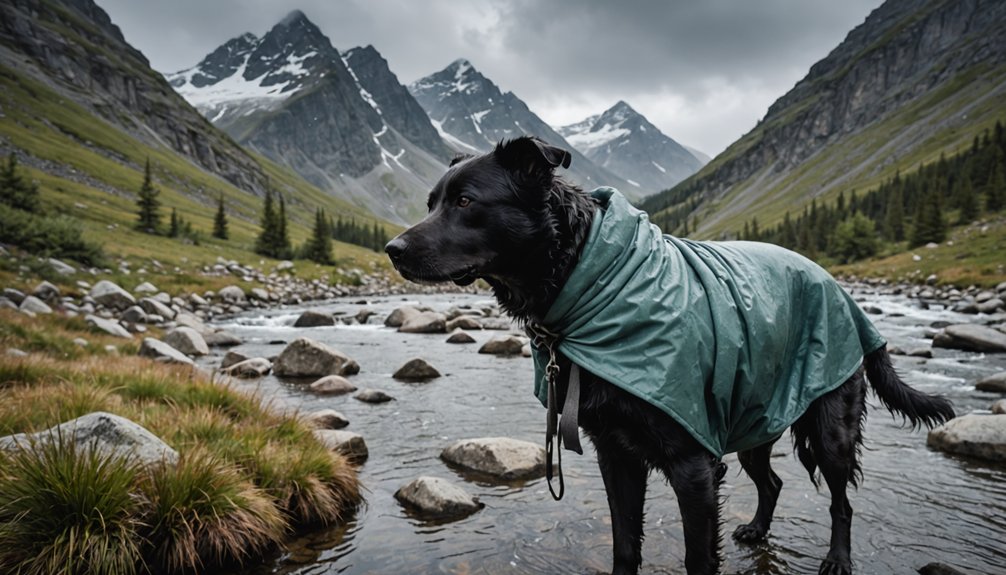
Because alpine lakes and rivers draw their water from snowmelt, you’re often wading into temperatures below 60°F (15–16°C) even at the height of summer, with many pools sitting under 50°F (10°C).
At these water temperatures, cold water conducts heat 25 times faster than air, dropping your dog’s body temperature fast. Cold shock symptoms—gasping, hyperventilation, spiking heart rate—can appear even in water up to 77°F, and full incapacitation follows within 5–15 minutes as muscles and coordination fail. If a dog’s head goes under during this stage, inhaling water becomes a serious risk on top of the cooling itself.
High elevation compounds these mountain hazards: thinner air raises cold stress during exertion, while alpine weather patterns shift quickly, dropping air temperature 10–20°F within minutes. Even confident swimmers can be overcome by cold shock in these conditions, regardless of skill or experience. Sudden weather changes in the mountains also mean rescue services are often unavailable nearby, leaving little margin for error if a dog struggles in the water. That combination—rapid cooling in water, followed by wind and dropping air temperature on exit—turns hypothermia risks into a real threat for any dog exploring alpine environments.
Which Dogs Face the Highest Hypothermia Risk?
Not every dog on the trail faces the same odds against cold water.
At-risk dogs share clear traits, and breed considerations matter more than you might think.
Small, slim, and toy breeds lose heat fast—short legs and thin coats leave them exposed against wet, cold ground.
Puppies and seniors can’t regulate body temperature efficiently, and frail or dehydrated dogs struggle even harder. Watch closely for sluggishness and delayed reflexes, as these subtle signs often appear before more obvious distress sets in.
Short-coated, hairless, and low-body-fat breeds lack the insulation double-coated dogs rely on, so wet fur turns dangerous quickly for them.
If your dog lives indoors and rarely faces winter conditions, don’t assume tolerance—non-acclimated dogs hit cold stress at higher temperatures than seasoned outdoor companions. Dogs with certain health problems, such as kidney disease and heart failure, face an even greater risk of hypothermia on cold, wet trails. Sedentary dogs are also less able to maintain their core temperature, making activity level another key factor to weigh before heading out.
Know your dog’s build, age, and conditioning before you commit to that alpine crossing.
Freedom on the trail starts with honest risk assessment.
Spotting Early Signs of Cold-Water Hypothermia in Dogs
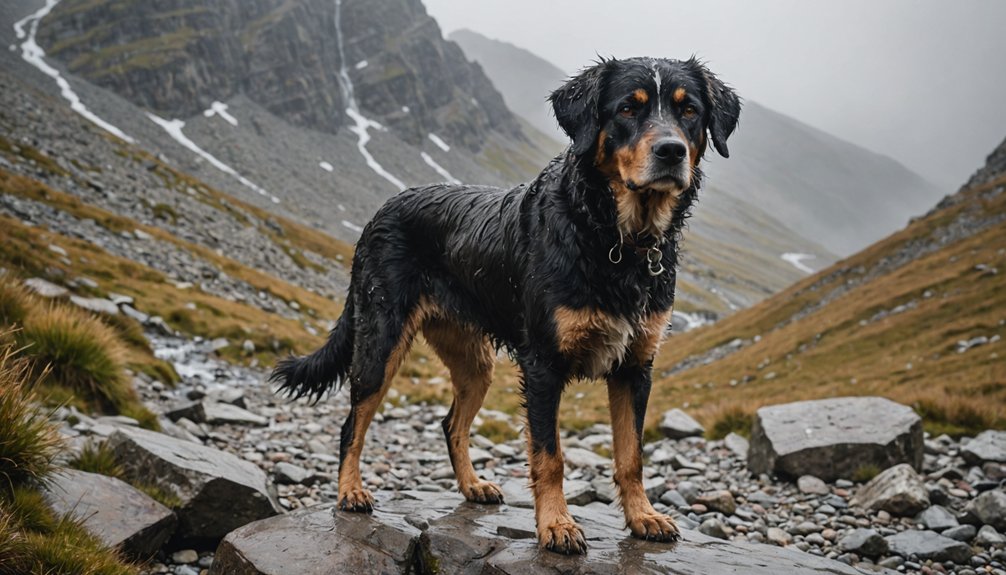
Knowing your dog’s risk factors only matters if you can catch trouble early. On wet alpine days, hypothermia symptoms surface fast, and your dog’s core temperature can drop below 99°F before you notice anything dramatic.
Watch canine behavior closely: shivering, a curled posture, or sudden reluctance to swim all signal trouble. Lethargy, slower responses, and a shift toward seeking dry, sheltered ground override any interest in play or commands.
Check physical signs too. Cold ears, paws, or tail point to peripheral cooling. Pale or gray gums, slow capillary refill, and stiff, tense muscles confirm your suspicions. Stumbling or wobbly movement means coordination’s already compromised. Dilated pupils are another sign that hypothermia has progressed. Don’t wait for shivering to stop—that’s a sign energy reserves are failing, and time’s running out. Left untreated, this condition can quickly become life-threatening, so prompt action is essential.
Why Falling Into an Alpine Lake Is So Dangerous
When your dog plunges into an alpine lake, it’s entering water that often sits at just 10–15°C (50–59°F)—well below the 16°C threshold where cold-water shock sets in.
That sudden immersion triggers involuntary gasping and a breathing rate up to 10x normal, raising drowning risk within the first 60 seconds. Cold shock doesn’t just affect breathing—it hits muscle control fast. Peripheral vasoconstriction sets in within 60–90 seconds, and your dog’s legs can lose effective paddling power in under three minutes.
Add altitude stress—reduced oxygen, cardiovascular strain—and you’ve got a compounding threat that overwhelms even strong swimmers. These lakes are also often deceptively clear, making it hard to judge depth or distance before trouble starts. This is why lake safety at elevation demands respect: what looks like an invigorating dip can become a life-threatening event in moments, not minutes. Even a well-fitted life jacket won’t protect against the heart strain or hypothermia that cold alpine water can cause.
Gear That Prevents Cold-Water Hypothermia on the Trail
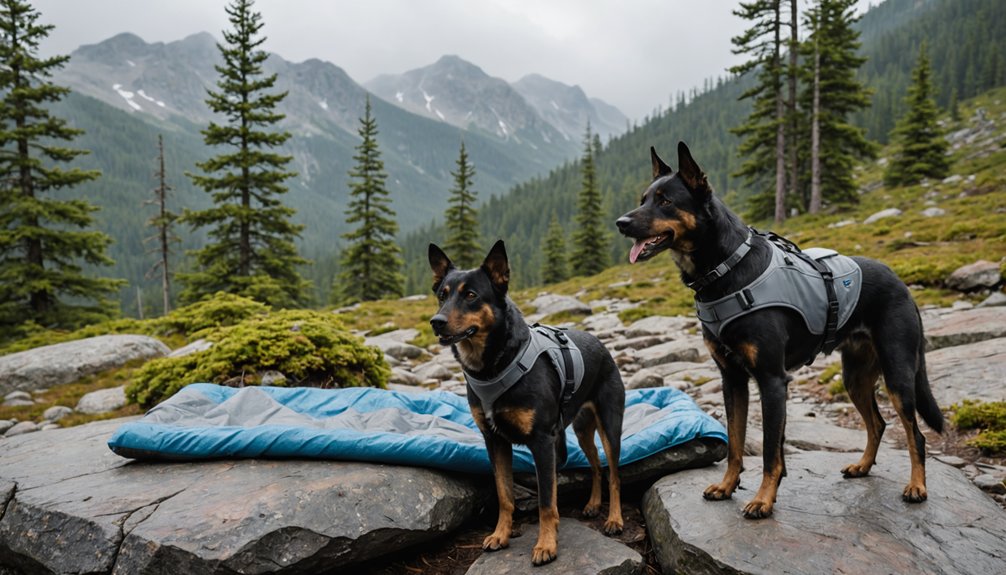
Prevention starts with what you strap onto your dog before the trail even gets technical. You don’t need permission to gear up smart—dog jackets with high-loft insulation and waterproof shells keep core temperature stable even when conditions turn ugly. Coverage matters: chest, belly, and lumbar protection delays hypothermia onset, while a customized fit prevents gaps that sabotage your dog’s natural insulation.
Beyond jackets, canine accessories like insulated boots protect paws from conductive heat loss, and non-slip soles keep footing solid on wet rock. Since wet conditions pull heat away from a dog’s body far faster than cold air alone, keeping every layer dry is just as important as the insulation itself. Dogs that aren’t accustomed to winter conditions or lack a natural undercoat can be especially prone to cold sensitivity, making proper gear even more essential on wet alpine trails. If a dog does become hypothermic despite precautions, drying off the dog with a towel is the first step before moving it to a warm, sheltered spot.
| Gear | Function |
|---|---|
| Insulated jacket | Retains core warmth, blocks water |
| Waterproof boots | Prevents paw heat loss, improves traction |
| Rain shell | Blocks spray, protects vessels near neck |
Pack spares—wet gear stops working the moment it’s soaked.
How Long Is Too Long in Wet, Cold Weather?
The clock starts ticking faster than most owners assume.
Cold exposure on wet alpine trails doesn’t follow a single rule—it shifts with size, coat, and conditions.
Check weather forecasts before you head out, since wind and precipitation change everything:
- Below 32°F, wet: Small or thin-coated dogs face hypothermia risk in as little as 25–30 minutes.
- 0–32°F, active: Medium and large breeds tolerate roughly 30 minutes, but soaked fur cuts that window short.
- Below 10°F: Small warm-weather breeds shouldn’t be outside at all, wet or dry.
You’ve got freedom to discover, but respect the math.
Once shivering starts, you’ve already stayed too long. Puppies are especially vulnerable, as their sensitivity to cold means hypothermia and frostbite can develop far quicker than in adult dogs.
Avoiding Thin Ice, Currents, and Other Water Hazards
Because frozen water rarely announces its weakness, you can’t trust a pond or stream just because it looks solid. Ice safety means treating every frozen surface as unconfirmed—AVMA guidance favors complete avoidance over testing thickness yourself, since breakthroughs risk drowning, hypothermia, and even your own safety during rescue.
Currents demand the same water awareness. Riptides and fast-moving channels can sweep a dog away, and cold flow accelerates heat loss faster than still water.
| Hazard | Primary Risk | Best Response |
|---|---|---|
| Thin ice | Drowning/hypothermia | Avoid entirely |
| Strong currents | Loss of control | Choose still, shallow water |
| Wet/sleet exposure | Rapid heat loss | Limit time, dry immediately |
Use a non-retractable leash, stay alert near banks, and pick routes that keep freedom intact without inviting danger.
Checking Your Dog’s Paws, Ears, and Behavior
A quick head-to-tail scan tells you more than any thermometer about how your dog’s handling the cold.
Before you head back to the trailhead, run through these three checks:
- Paw inspection: Look for pale, gray, or blue pads, cracks, and broken nails. Cool or icy paws combined with stumbling or limb-favoring signal trouble.
- Ear examination: Feel the tips for stiffness or icy cold. Pale or bluish skin, swelling, or a pained flinch when touched all point to frostbite risk.
- Behavior watch: Shivering, hunched posture, lethargy, or a sudden drive to seek shelter mean it’s time to warm your dog up—no debate, no delay.
Trust what your hands and eyes find; your dog’s freedom depends on your vigilance.
What to Do the Moment You Suspect Hypothermia
Once you spot the warning signs, act fast—get your dog to a warm, dry, sheltered spot away from wind, snow, or rain before doing anything else. Strip off wet gear and swap it for dry insulation. Set your dog on an insulated surface—a towel, bed, or backpack—never bare ground or metal flooring. Keep movements calm; stress and rough handling can trigger arrhythmias during hypothermia treatment.
Run a quick ABC check—airway, breathing, circulation—and note your dog’s alertness. Unresponsive with no breathing or heartbeat? Start CPR immediately and prepare to evacuate. If your dog’s breathing but groggy, lay it side-lying with the head slightly extended to guard the airway.
This is the core of effective field care: stabilize first, assess second, warm third. Your quick judgment call determines the outcome.
Safe Rewarming Techniques for Remote Alpine Settings
With your dog stabilized and out of the wind, rewarming becomes the next priority—but how you rewarm matters as much as whether you do.
Effective hypothermia treatment demands control, not speed. Rewarming methods should raise core temperature gradually—0.2–0.5°C per hour, never exceeding 1°C hourly—to avoid rewarming collapse.
- Dry first. Strip wet fur and skin contact fast; evaporative loss undermines every other effort.
- Insulate everywhere. Wrap the trunk, head, and limbs in dry fleece, wool, or a reflective bivy, then shield your dog from alpine wind.
- Add heat cautiously. Place warm (not hot) packs on the chest and abdomen, always with a fabric barrier.
Monitor rectal temperature often—your freedom in the backcountry depends on catching overshoot before it becomes a crisis.
Setting Up a Warm Recovery Base for Hypothermia Prevention
Successful rewarming only sticks if you back it with a proper recovery base—a shelter designed to hold heat, block wind, and keep your dog off the cold ground.
Base setup starts with an enclosed, draft-shielded structure—tent, bivy, vehicle, or insulated shelter—raised off the ground with foam pads, straw, or blankets underneath.
Pick a low-traffic, quiet corner where you can monitor freely without added stress.
Orient the entry away from wind and precipitation, using a flap or barrier while keeping airflow steady.
Give your dog room to stretch out and soak up reflected warmth.
Solid recovery protocols demand ambient temps above 10°C/50°F, moderate humidity, and wet gear kept outside the zone.
This foundation makes every rewarming effort count.
When to Rush Your Dog to a Vet After Cold Exposure
Knowing when to stop rewarming at home and get to a vet can save your dog’s life. You’re out there for the excursion, but freedom means recognizing hypothermia signs fast.
If your dog’s rectal temp reads below 98°F, don’t wait—this is emergency care territory, not a wait-and-see situation.
Watch for these red flags demanding an immediate vet visit:
- Sudden stop in shivering while still cold, paired with weakness or confusion.
- Collapse, unresponsiveness, or inability to stand—get moving now.
- Pale or blue gums, weak pulse, labored breathing—these signal serious trouble.
Cold symptoms that persist after warming, or worsen instead of improving, need medical attention too. Don’t gamble with your dog’s safety on the mountain.
Frequently Asked Questions
Can Dogs Get Hypothermia Even if the Air Temperature Feels Mild?
Yes, you can face hypothermia risk even when air feels mild. Wet fur, wind, and prolonged exposure override dog physiology’s defenses—canine behavior like shivering signals trouble early. Trust your instincts, watch closely, and act fast when signs appear.
Is It Safe to Let My Dog Swim in Alpine Lakes During Summer?
Yes, but you must respect Alpine dangers: cold water, algae, currents. Take dog precautions—limit swims to 15 minutes, choose clear water, use a life jacket, and rinse thoroughly afterward, per veterinary cold-stress guidelines.
How Quickly Can Hypothermia Turn Fatal in Dogs?
Fatal timing can hit within tens of minutes: you’ll see critical stages progress from mild to severe below 35ºC, then crucial risk near 31ºC. Act fast—don’t gamble your dog’s freedom to investigate against untreated hypothermia.
Should I Carry a Pet First-Aid Kit Specifically for Cold-Water Emergencies?
Yes, you should carry one. Pack emergency supplies—thermal blanket, thermometer, towels—and pair them with pet insurance for backup coverage. Vets confirm rapid rewarming saves lives. You’re prepared, self-reliant, and ready for any alpine surprise.
Can Hypothermia Cause Lasting Health Problems After a Dog Recovers?
Yes—delayed hypothermia treatment risks lasting kidney, brain, and cardiac damage per documented cases. You’re free to hit the trails, just don’t skip health monitoring afterward; catching subtle neurologic or metabolic changes early protects your dog’s long-term freedom to roam.
Conclusion
Alpine water doesn’t forgive mistakes, but you can stay ahead of it. Know your dog’s risk factors, watch for early shivering and stumbling, and pack the right gear before you hit the trail. If your dog goes in, act fast: dry them, warm them gradually, and monitor closely. The AVMA notes hypothermia can turn critical within minutes—so when in doubt, get to a vet immediately. Preparation saves lives.
References
- https://www.purina.com/articles/dog/health/symptoms/hypothermia-in-dogs
- https://www.redcross.org/take-a-class/resources/learn-pet-first-aid/dog/hypothermia
- https://animalemergencycare.net/aecprevents/understanding-hypothermia-in-pets/
- https://www.thecaninefitnesscentre.co.uk/health/the-effects-of-cold-water-on-your-dog/
- https://www.rover.com/blog/how-cold-is-too-cold-for-dogs-swimming-hypothermia/
- https://www.petmd.com/dog/conditions/cardiovascular/dog-hypothermia
- https://www.avma.org/resources-tools/pet-owners/petcare/cold-weather-animal-safety
- https://partnersvetsl.com/blog/hypothermia-in-dogs/
- https://tractive.com/blog/en/safety/hypothermia-in-dogs
- https://www.weather.gov/safety/coldwater