Planning a road trip with your dog requires careful preparation. This guide helps you review essential safety gear, health documents, and packing lists to ensure a smooth journey.
TL;DR
Taking your dog on a car ride requires the right gear, safety restraints, and health preparation. This guide provides a complete checklist covering hydration, safety harnesses, first aid, and packing essentials. Learn how to keep your dog comfortable and safe during long-distance travel.

Key Takeaways
- Securing your dog with crash-tested safety harnesses or crates is critical for highway travel.
- A complete first-aid kit and updated health documents are essential before crossing state lines.
- Proper hydration and structured rest stops keep your dog calm and prevent motion sickness.
- Packing food securely prevents digestive issues while keeping your vehicle clean and organized.
- Special preparations are necessary when traveling with puppies or senior dogs to manage anxiety.
What is a Dog Road Trip Checklist?
A comprehensive Road Trip Checklist For Dogs is an organized inventory of safety equipment, food, medical supplies, and comfort items. It serves as your primary tool to ensure nothing gets left behind before you head out on the highway. Using a structured list reduces travel-related stress for both you and your canine companion.
This planning tool goes far beyond packing a simple leash and water bowl. A true Pet Road Trip Checklist addresses emergency preparedness, local laws, and veterinary requirements for different jurisdictions. It ensures your vehicle is properly outfitted to handle a dog of your specific breed, size, and physical condition.
By preparing ahead, you can avoid emergency stops at unfamiliar pet stores for niche items. A solid list also keeps all of your pup’s belongings organized in one dedicated travel bag. This makes it easy to find critical gear like medications or cleanup bags at a moment’s notice during stops.
How the Checklist Works in Practice
Using a Car Travel Checklist For Dogs requires systematic planning starting several weeks before your departure date. First, you must assess your dog’s health, behavioral traits, and specific physical requirements. This initial assessment guides what tools and gear you will need to acquire well in advance of the trip.
Next, you will need to spend time Preparing Dog For Long Car Ride scenarios by conducting short test drives. These brief trial runs allow you to test new safety equipment and evaluate how your pet handles the motion of the vehicle. It also helps you identify issues like travel anxiety or physical discomfort before you are hours away from home.
Finally, the checklist acts as a step-by-step guide during the packing phase. You will systematically cross off safety restraints, feeding supplies, and waste management items as they go into your trunk. This ensures that every item on your Traveling With Dogs In Car Checklist is physically present and functional before the engine starts.
Who This Guide is Relevant For
This detailed travel guide is relevant for any pet owner planning to travel long distances by vehicle. If you are a new pet owner, a Puppy Road Trip Checklist will help you navigate the unique challenges of young dogs. Puppies require more frequent bathroom breaks, specialized chew toys, and extra patience during transit.
If you have an older pet, a Traveling With Senior Dog Checklist is vital for maintaining their comfort. Senior dogs often require orthopedic support bedding, specific prescription medications, and easier access points to get in and out of the vehicle. They may also experience stiffer joints during cold weather or extended periods of immobility.
Lastly, owners of larger breeds must consult a Traveling With Large Dogs Checklist to ensure adequate space and restraint. Larger dogs exert immense force during sudden stops, meaning their restraint systems must be incredibly durable. They also occupy significantly more cargo space, requiring strategic organization of your luggage and travel gear.
Essential Car Safety and Comfort Gear
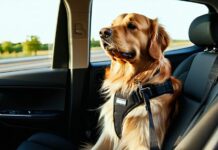
Safety is the absolute priority when you are learning How To Travel With Dog In Car cabins. A loose dog can easily distract the driver or become a dangerous projectile during a sudden brake application. Using a crash-tested Dog Car Safety Harness keeps your dog securely anchored in their seat throughout the drive.
To use these safety systems correctly, you should consult an updated Dog Car Seat Belt Guide. These guides explain how to attach heavy-duty carabiners to your vehicle’s factory seat belt webbing or LATCH anchors. This setup allows your pet to sit or lie down comfortably while preventing them from roaming around the cabin.
If your pet prefers more containment, check out the specific Dog Travel Crate Requirements. Heavy-duty plastic or metal crates must be large enough for your dog to stand up, turn around, and lie down easily. Additionally, the crate itself must be anchored securely to the vehicle cargo tie-downs so it does not slide during turns.
Protecting Your Vehicle Cabin
Keeping your vehicle clean is essential for a comfortable drive, making a Dog Car Seat Cover Checklist highly useful. High-quality seat covers protect your upholstery from mud, loose hair, scratches, and accidental spills. Look for water-resistant fabrics with non-slip backing to prevent your dog from sliding around on leather seats.
Another excellent option for rear cargo areas is a professional Dog Car Barrier Installation. These metal or mesh barriers physically separate the passenger cabin from the cargo space, keeping your dog safely in the back. This setup is particularly helpful for active dogs that try to climb into the front seat while you drive.
Investing in reliable Dog Car Safety Accessories, such as window guards and ramp extensions, pays off over time. Ramp extensions allow older dogs to walk into the back without putting pressure on their hips. Window guards let fresh air circulate throughout the cabin while preventing your dog from leaning too far out of the window.
Health, Nutrition, and Hydration on the Road
Maintaining your dog’s regular feeding and bathroom routine is essential for preventing stress-induced stomach upset. A detailed Dog Road Trip Health Checklist should include packing plenty of their regular food to avoid sudden changes in diet. Keep their dry kibble fresh and dry by using specialized airtight Dog Travel Food Storage containers.
Water is just as important as food when you are traveling long distances with a pet. A reliable Dog Hydration Checklist For Road Trips includes bringing several gallons of clean water from home in portable jugs. Sudden changes in local tap water sources can cause stomach issues or make your dog hesitant to drink.
Always keep a Dog Travel Supplies Checklist handy to ensure you have collapsible silicone bowls for easy feeding. These bowls fold flat, saving valuable space in your glove compartment or travel bag. Offer small amounts of water at every rest stop to prevent dehydration without overfilling your dog’s stomach during the drive.
Medical Preparedness and First Aid
Accidents can happen anywhere, which is why a Dog Travel First Aid Kit Checklist is absolutely non-negotiable. Your kit should include basic bandages, antiseptic wipes, tweezers, gauze, self-clinging vet wrap, and hydrogen peroxide. It is also wise to include a digital thermometer and a pair of blunt-tipped scissors for emergencies.
Before you leave, run through a Canine Road Trip Safety Checklist to confirm your dog’s vaccinations are up to date. Keep a physical copy of their rabies certificate and medical history in a waterproof folder in your glove box. This Pet Travel Document Checklist is often required if you need to visit an emergency vet clinic far from home.
Make sure to also check your Dog Identification For Road Trips to ensure all contact details are correct. Your dog should wear a collar with an ID tag showing your current cell phone number, not your home landline. Having your dog microchipped provides an extra layer of security if they manage to slip out of their collar.
Managing Travel Anxiety and Motion Sickness
Car rides can be highly stressful for some pets, making a Dog Anxiety Car Ride Checklist highly beneficial. Symptoms of travel stress include heavy panting, excessive drooling, whining, and restless pacing. You can help ease their nerves by packing familiar smelling blankets or toys that carry the comforting scent of home.
If your dog suffers from physical discomfort in the car, look at a Dog Motion Sickness Checklist. Avoid feeding your dog a large meal within three hours of your departure to reduce the risk of vomiting. If their nausea continues, talk to your veterinarian about safe, prescription anti-motion sickness medications before you leave.
Keep a fully stocked Dog Car Travel Kit Checklist nearby to handle any unexpected messes quickly. This kit should include pet-safe enzyme cleaners, paper towels, heavy-duty trash bags, and spare towels. Cleaning up messes quickly prevents odors from lingering in your vehicle cabin and keeps the environment fresh.
Planning Your Route and Destination
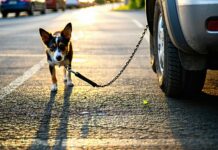
A complete Long Distance Dog Travel Checklist must account for regular rest stops along your planned route. You should plan to stop every two to three hours to let your dog stretch, drink water, and relieve themselves. Always keep your dog on a secure leash during these stops, as highway rest areas can be busy and loud.
When booking your overnight stays, make sure to refer to a Pet Friendly Hotel Packing List. Many hotels require pets to be crated when left unattended in the room to prevent damage to the property. Bring a portable crate, a clean dog bed, and some pet-safe odor eliminator sprays to keep the room clean and comfortable.
Finally, run through a Car Ride Safety Checklist For Dogs to make sure your destinations are safe and pet-friendly. Research local leash laws and check for any regional pet health hazards, such as ticks or blue-green algae, at your destination. Proper planning ensures you and your dog can enjoy your travel destination safely and without unexpected surprises.
Dog Travel Gear Category Comparison
Choosing the right travel gear depends heavily on your dog’s size, temperament, and your vehicle’s layout. Below is a neutral comparison of the primary categories of dog travel restraint and safety systems.
| Gear Category | Best Suited For | Key Advantage | Primary Limitation |
|---|---|---|---|
| Crash-Tested Harnesses | Medium to Large Dogs | Secures dog directly to seatbelt | Restricts movement in seat |
| Heavy-Duty Crates | All Sizes / Nervous Dogs | Excellent physical protection | Requires significant cargo space |
| Vehicle Barriers | Large Dogs / Multiple Dogs | Keeps dogs out of passenger cabin | No protection during a crash |
| Booster Seats | Small Dogs / Puppies | Elevates dog to see out window | Not suitable for larger dogs |
When selecting your gear, look for products certified by independent safety organizations like the Center for Pet Safety. Brands like Sleepypod and Kurgo offer crash-tested harness options. For durable crating systems, manufacturers like Petmate and travel gear specialists like Ruffwear provide excellent, rugged travel options.
Value and Cost Overview
Outfitting your vehicle with high-quality dog travel supplies involves some upfront costs, but it is an investment in safety. A certified safety harness typically costs between $40 and $100, depending on the size of your dog. Heavy-duty plastic or metal crates can run from $60 to over $300 for premium, crash-tested models.
When budgeting, do not overlook smaller items like travel bowls, seat covers, and a proper first aid kit. A durable backseat cover usually costs between $30 and $80, which is much cheaper than professional car detailing. Investing in quality gear helps ensure your pet is secure and comfortable, protecting your car’s interior at the same time.
Benefits and Drawbacks of Different Travel Options
Using a safety harness allows your dog to sit directly on the vehicle seat, which many dogs prefer because they can see you. Harnesses are highly portable and easy to move between different vehicles. However, they do not prevent your dog from dirtying the seats, and some active dogs may chew through the straps during long trips.
Crates provide the highest level of physical protection and create a cozy, den-like space for anxious dogs. They also keep mud, hair, and drool completely contained. The main drawback is their bulkiness, as they can take up most of your trunk or backseat space, leaving less room for luggage.
What to Review Before Your Road Trip
Before you hit the road, take a moment to review your vehicle’s layout and your dog’s physical needs. Make sure your safety harness or crate is installed correctly and all straps are tight. Check that your pet first aid kit is fully stocked and that you have plenty of their regular food packed.
It is also a good idea to research emergency vet clinics along your route and save their phone numbers in your cell phone. Make sure your dog’s ID tags are secure and their microchip registration info is up to date. Taking these quick steps before you leave helps prevent small issues from turning into major travel emergencies.
Frequently Asked Questions
How often should I stop for my dog during a long road trip?
You should plan to stop every two to three hours to let your dog stretch, drink water, and go to the bathroom. These regular breaks help prevent stiffness, reduce anxiety, and keep your dog comfortable throughout the journey.
What is the safest way for a dog to travel in a car?
The safest way for a dog to travel is secured in a crash-tested safety harness or a tie-down travel crate in the back seat. Never let your dog ride in the front seat, as deploying airbags can cause serious injury to pets.
How can I prevent my dog from getting car sick?
To help prevent motion sickness, avoid feeding your dog a large meal within three hours of your departure. Keep the car cool, drive smoothly, and talk to your vet about safe anti-nausea medications if your dog is prone to sickness.
What documents do I need when traveling across state lines with a dog?
You should bring a physical copy of your dog’s current rabies vaccination certificate and a recent health certificate from your vet. These documents are often required by hotels, state crossing checkpoints, or emergency veterinary clinics.
Can I leave my dog alone in the car during road trip stops?
You should avoid leaving your dog alone in a parked car, as temperatures can quickly reach dangerous levels even on mild days. If you must stop, try to travel with a partner so someone can always stay with your dog while the AC is running.
Conclusion
Taking your dog on a road trip is a wonderful way to bond, but it requires careful planning and the right gear. By preparing your dog, investing in safety restraints, and keeping a solid packing list, you can enjoy a safe and comfortable trip. Review your checklist, pack your gear, and look forward to a smooth journey with your favorite companion.

Sources
This content was written by AI but checked by humans for accuracy.