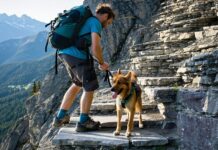
This beginner guide to dog hiking helps you prepare your canine companion for their first trail experience. We review essential safety steps, gear, and training to ensure a successful outdoor adventure.
TL;DR: The Quick Trail Summary
Hiking with a dog requires thorough preparation, appropriate gear, and physical conditioning. This article provides a comprehensive checklist covering gear, hydration, safety, and etiquette for beginners. Following these steps helps keep your pet safe and ensures you conform to local trail rules.

Key Takeaways for Trail Success
- Assess physical readiness: Ensure your dog is physically matured and healthy before attempting steep or long trails.
- Pack essential gear: Always carry a first-aid kit, a proper harness, and a reliable leash.
- Manage hydration closely: Bring ample water and a collapsible bowl to prevent your dog from drinking contaminated trail water.
- Respect trail etiquette: Keep your dog under control, yield to other hikers, and always pack out waste.
- Perform post-hike checks: Thoroughly inspect your pet for ticks, thorns, and paw injuries after every hike.
What is a Beginner Dog Hiking Guide?
A comprehensive Beginner Dog Hiking Guide is an educational blueprint designed to help pet owners transition from neighborhood walks to natural terrain. Taking a dog on a wilderness trail involves unique challenges that do not exist on paved city sidewalks.
This guide outlines the critical steps needed to prepare your pet physically and behaviorally. It covers everything from selecting the right path to packing specialized emergency gear.
By understanding the fundamentals of trail preparation, you can avoid common pitfalls. These errors include overexertion, dehydration, or accidental run-ins with local wildlife.
How First Time Hiking With Dog Preparations Work
Successfully managing your First Time Hiking With Dog experience relies on a systematic approach to preparation. You cannot simply drive to a trailhead and begin walking without prior training.
Preparation starts weeks in advance with physical conditioning and training sessions. You must gradually increase your dog’s daily walking distance on different types of unpaved surfaces.
This process allows your dog’s muscles and paw pads to adapt to uneven terrain. It also gives you a chance to test new gear in a controlled environment before heading into remote areas.
Who is Dog Friendly Trail Preparation Relevant For?
This structural approach to Dog Friendly Trail Preparation is relevant for any pet owner looking to explore nature safely. It is particularly crucial for owners of young dogs, senior dogs, or breeds sensitive to extreme weather.
Different breeds have varying physical limits, energy levels, and heat tolerances. For example, brachycephalic breeds require much shorter walks and more frequent cooling breaks.
Active sporting or working breeds may handle longer distances but still require structured trail training. No matter your dog’s breed, systematic preparation is the key to preventing injuries.
Understanding the Hiking With Your Dog Checklist
Using a structured Hiking With Your Dog Checklist keeps you organized and prevents you from leaving life-saving gear behind. A complete checklist is divided into three distinct phases: pre-hike preparation, trail gear, and safety protocols.
Pre-hike tasks include researching trail rules, checking the weather forecast, and verifying local leash laws. Many public parks require dogs to be kept on a leash no longer than six feet at all times.
The gear phase includes checking your water supplies, food, and protective wear. The safety phase focuses on first-aid items, navigational tools, and emergency contact details for local veterinary clinics.
Essential Dog Hiking Equipment and Core Terms
Familiarizing yourself with Essential Dog Hiking Equipment is vital before purchasing any gear. High-quality gear protects your pet from extreme weather and rough trail conditions.
A durable harness is much safer than a standard collar for trail walking. Collars can slip off easily or put dangerous pressure on your dog’s neck if they pull on steep inclines.
You should also understand the term “pack weight limits” if you plan to use a saddlebag. Dogs should never carry more than ten to fifteen percent of their total body weight.
How To Hike With A Dog: Step-by-Step Training
Learning How To Hike With A Dog requires focusing on consistent, positive reinforcement training. Your dog must master several basic commands before stepping onto a public trail.
The most important command for any trail dog is a reliable recall. Even when kept on a leash, a dog that responds immediately to their name is much easier to manage during unexpected wildlife encounters.
You should also practice “leave it” commands regularly at home. This command prevents your dog from eating toxic plants, rotten food, or wildlife waste found along the path.
Implementing a Trail Dog Training Guide
A structured Trail Dog Training Guide emphasizes loose-leash walking on uneven ground. Dogs that pull constantly can easily pull their owners off balance on steep or slippery slopes.
Begin training in your yard, then move to quiet neighborhood parks before visiting busy wilderness areas. Reward your dog frequently for walking calmly by your side.
This training helps your pet learn to pay close attention to your movements. It also teaches them to match your pace, which is critical when navigating rocky or muddy sections of a trail.
Following Dog Trail Safety Rules
Adhering to standard Dog Trail Safety Rules protects your pet, the local environment, and other hikers. One of the most important rules is to always stay on the designated path.
Walking off-trail can damage sensitive plant life and increase your dog’s exposure to ticks and snakes. It also increases the risk of getting lost in unfamiliar wilderness areas.
Always yield the right-of-way to mountain bikers, horseback riders, and other hikers. Step off to the side of the trail with your dog sitting calmly until they pass.
Understanding Dog Trail Etiquette
Practicing good Dog Trail Etiquette helps ensure that parks remain open to pet owners. Keep your dog quiet and discourage them from barking at other trail users or wildlife.
Never allow your dog to approach other people or dogs without explicit permission. Many dogs are anxious on the trail, and some hikers may be uncomfortable around strange animals.
Always bag your dog’s waste and carry it out with you to a trash receptacle. Leaving waste bags on the side of the trail is bad for the environment and ruins the experience for others.
Using a Dog Hiking Gear Checklist
A reliable Dog Hiking Gear Checklist should be customized based on the length of your trip and the current weather conditions. For day trips, focus on water, food, and basic safety gear.
Always bring a bright, highly visible bandana or vest for your dog. This makes them easily visible to hunters, cyclists, and other hikers in dense brush or low-light conditions.
For longer journeys, you will need to add extra food, specialized bedding, and weather protection. Keep all gear organized in lightweight, waterproof bags inside your pack.
Preparing Your Dog For A Hike: Health and Fitness
When Preparing Your Dog For A Hike, physical fitness should be your primary focus. Schedule a visit with your veterinarian to confirm your dog is healthy enough for strenuous exercise.
Make sure your pet is fully up to date on all core vaccinations. Your vet can also advise you on preventative treatments for heartworm, fleas, and Lyme disease.
Avoid taking puppies on long, difficult hikes until their growth plates have fully closed. This typically occurs between twelve and eighteen months of age, depending on the breed.
Implementing Hiking With Dogs Safety Tips
Applying practical Hiking With Dogs Safety Tips can prevent minor issues from turning into serious emergencies. Always monitor your dog’s breathing and energy levels closely during your walk.
If your dog starts slowing down, panting excessively, or seeking shade, stop immediately. Find a cool spot to rest, offer water, and allow your pet to recover before continuing.
Be especially careful during hot weather, as dogs can overheat much faster than humans. Plan your hikes for the early morning or late evening to avoid the hottest parts of the day.
Essential Dog Hiking Harness Requirements
When evaluating Dog Hiking Harness Requirements, look for a model designed specifically for outdoor use. A good trail harness should feature multiple adjustment points for a snug, secure fit.
Look for a model with a built-in handle on the back. This handle allows you to assist your dog over large rocks, logs, or other challenging obstacles safely.
Choose breathable materials that do not trap heat or rub against your dog’s skin. Padded straps help prevent painful chafing during long hours of walking.
Selecting Dog Hiking Backpack Essentials
If your dog is physically fit enough to carry a pack, pack selection is crucial. Key Dog Hiking Backpack Essentials include even weight distribution and a stable fit that does not slide.
Always pack heavier items, like water bottles, near the bottom and front of the saddlebags. This placement keeps the weight centered over your dog’s shoulders rather than their lower back.
Practice using the pack empty around your neighborhood first. Slowly add small amounts of weight over several weeks to help your dog build up the necessary strength.
Understanding Dog Hiking Hydration Guide Rules
Our Dog Hiking Hydration Guide emphasizes that clean water is your most important trail resource. Never allow your dog to drink from standing puddles, ponds, or streams.
Natural water sources often contain harmful parasites, such as Giardia or Leptospira. These organisms can cause severe gastrointestinal illness and dehydration in dogs.
Offer your dog small amounts of clean water every twenty to thirty minutes. This regular hydration schedule is much safer than letting them drink large amounts all at once.
Meeting Dog Hiking Food Requirements
Meeting your pet’s Dog Hiking Food Requirements involves planning for increased calorie burn. Dogs burn significantly more energy walking on rough, uneven trails than they do on flat pavement.
Pack high-quality, calorie-dense kibble or specialized dog energy bars for the trip. Offer small snacks during rest breaks to keep their energy levels stable.
Avoid feeding a large meal immediately before or after heavy exercise. This precaution helps prevent bloat, a life-threatening stomach condition common in deep-chested breeds.
Using Dog Paw Protection For Hiking
Providing proper Dog Paw Protection For Hiking is essential for rough, rocky, or hot trails. Sharp gravel, thorns, and hot stones can easily tear or burn a dog’s sensitive paw pads.
Dog booties offer the best physical barrier against sharp rocks, ice, and hot surfaces. Ensure the booties fit snugly but do not pinch or cut off circulation to the paws.
If your dog refuses to wear booties, apply a thick layer of protective paw wax before the hike. This wax helps protect the skin from moisture, ice build-up, and minor abrasions.
Hiking Dog First Aid Kit Requirements
Meeting all Hiking Dog First Aid Kit Requirements ensures you can handle minor injuries on the trail. A pet-specific kit should be kept separate from your human first-aid supplies.
Your kit should include self-clinging bandages, sterile gauze, antiseptic wipes, and tweezers. You also need a pair of fine-nosed tick removers and a emergency muzzle.
Even the gentlest dog may bite when in severe pain. Having a lightweight muzzle allows you to treat wounds safely without risking injury to yourself.
Implementing Tick Prevention For Hiking Dogs
Consistent Tick Prevention For Hiking Dogs is vital for preventing Lyme disease and other tick-borne illnesses. Apply a vet-approved topical or oral tick preventative before the hiking season begins.
Brush your dog’s coat thoroughly after every hike, focusing on the ears, underarms, and between the toes. Remove any ticks immediately using a specialized removal tool.
Keep your dog in the center of the trail to avoid tall grasses and thick brush where ticks are most common. This simple habit dramatically reduces the chances of tick bites.
Understanding Canine Wilderness Safety Tips
Reviewing Canine Wilderness Safety Tips helps you prepare for unexpected trail hazards. Always research the wildlife active in the area you plan to visit, such as bears, coyotes, or snakes.
Keep your dog close to you and never let them chase wildlife. Chasing wild animals can lead to serious injuries, lost pets, or dangerous confrontations.
Carry a bell on your pack or your dog’s harness in bear country. The noise alerts wildlife to your presence, reducing the risk of startling an animal on the trail.
How To Plan A Dog Hike Safely
Learning How To Plan A Dog Hike involves picking the right trail for your dog’s current physical condition. Start with short, flat trails and gradually work up to more challenging routes.
Check the trail’s terrain and elevation gain before leaving home. Rocky paths can be tough on paws, while steep climbs can quickly tire out an unconditioned dog.
Always tell someone where you are going and when you expect to return. This basic safety rule is essential for any outdoor excursion, with or without a pet.
Implementing Basic Dog Trail Training
Providing Basic Dog Trail Training builds confidence in your pet and makes hikes much more enjoyable. Focus on teaching your dog to remain calm when meeting strangers or other animals.
Practice walking past distractions at a local park before attempting a wilderness trail. Reward your dog with high-value treats for keeping their attention on you.
This training helps prevent sudden lunging or pulling when encountering wildlife or other hikers. A well-behaved dog is a welcome guest on any public trail.
Understanding Dog Trail Behavior Guide Standards
Following a reliable Dog Trail Behavior Guide helps you manage your pet’s actions in public spaces. Keep your dog under control at all times, whether on or off a leash.
Never allow your dog to dig in the park, disturb local plants, or swim in protected water sources. Respecting the natural environment ensures trails remain open to all users.
Be aware of your dog’s body language throughout the hike. Signs of stress, fear, or fatigue mean it is time to take a break or turn back.
Reviewing Hiking With A Puppy Tips
Special Hiking With A Puppy Tips focus on protecting growing bones and joints from damage. Puppies have soft growth plates that can be easily injured by overexertion.
Keep puppy walks short and take frequent breaks to rest and play. A general rule of thumb is five minutes of exercise per month of age, up to twice a day.
Avoid steep climbs, rocky paths, and jumping over large obstacles with a young puppy. Focus on building positive outdoor memories and basic training rather than covering long distances.
Reviewing Preparing A Dog For Trail Walking
Properly Preparing A Dog For Trail Walking involves regular conditioning and acclimation to different weather conditions. Start by taking your dog on short walks in various temperatures.
Gradually increase the duration and intensity of these walks over several weeks. This steady progression helps your dog build stamina and cardiovascular fitness safely.
Monitor your dog’s recovery after each walk. If they seem unusually sore, tired, or stiff, reduce the intensity of your next training session.
Using a Hiking With Your Pet Checklist
A comprehensive Hiking With Your Pet Checklist ensures you are prepared for any situation. Keep this checklist handy when packing for your next outdoor adventure.
Verify that your dog’s identification tags are secure and up to date. Having your pet microchipped provides an extra layer of security if they ever become lost.
Pack a copy of your dog’s vaccination records in your vehicle or pack. Some parks and campgrounds require proof of vaccination before allowing pets entry.
Reviewing Safe Hiking Practices For Dogs
Following Safe Hiking Practices For Dogs helps ensure a fun, injury-free experience for everyone. Always keep your pet close to you and avoid letting them wander off-trail.
Watch for signs of heat exhaustion, such as heavy panting, drooling, or weakness. If you notice these signs, move to a shaded area and apply cool water to their belly and paws.
Never leave your dog unattended in a vehicle, even with the windows cracked. Temperatures inside a car can rise to dangerous levels in just a few minutes.
Understanding the Canine Trail Safety Guide
A comprehensive Canine Trail Safety Guide emphasizes the importance of trail awareness and hazard avoidance. Be alert for toxic plants, sharp rocks, and dangerous wildlife along the path.
Keep your dog on a leash to prevent them from investigating hazards or chasing wildlife. A leash is your most effective safety tool when exploring unfamiliar areas.
Inspect your dog’s body and paws regularly during the hike for cuts, thorns, or ticks. Catching and treating minor issues early prevents them from becoming major problems.
Category Comparison: Core Dog Hiking Gear
Choosing the right gear is essential for your dog’s comfort and safety on the trail. Different gear brands offer varying features, materials, and price points to suit your needs.
When selecting gear, prioritize durability, fit, and weather resistance. The following comparison table highlights popular gear brands and their key product offerings.
| Brand | Key Products | Primary Focus | Ideal For |
|---|---|---|---|
| Ruffwear | Harnesses, Boots, Packs | Durability and Performance | Rugged, multi-day trail use |
| Kurgo | Harnesses, Seat Covers, Bowls | Affordability and Utility | Casual day hikes and travel |
| REI | Collapsible Bowls, First Aid Kits | Outdoor General Gear | All-purpose outdoor activities |
Pricing, Cost, and Value Considerations
The cost of dog hiking gear can vary widely depending on the brand and quality of materials. While basic gear is affordable, high-quality items offer better safety and durability.
A basic harness and leash set may cost under thirty dollars, while a professional-grade trail harness can exceed eighty dollars. Invest in high-quality gear for frequent trail use.
Consider the value of safety gear, such as a high-quality first-aid kit or protective booties. These items can prevent expensive veterinary bills by protecting your pet from injuries.
Benefits and Drawbacks of Hiking With Your Dog
Hiking with your dog offers numerous benefits, including physical exercise, mental stimulation, and deeper bonding. It is a great way for both of you to stay healthy and active.
However, there are also some drawbacks to consider. Hiking with a dog requires extra preparation, limits your trail choices, and increases the risk of injuries or wildlife encounters.
Weight the pros and cons carefully before planning your trip. Proper preparation and training can help minimize the drawbacks and ensure a safe, enjoyable experience.
What to Review Before Deciding to Hike
Before heading out, review your dog’s health, fitness level, and training progress. Make sure they can comfortably handle the trail’s distance and elevation gain.
Check the trail’s rules and regulations regarding pets, including leash laws and restricted areas. Respecting these rules helps protect the local environment and ensures trails remain open.
Finally, check the weather forecast and pack appropriate gear for the conditions. Being prepared for changing weather helps keep both you and your pet safe and comfortable.
Frequently Asked Questions
How far can a beginner dog hike?
A beginner dog should start with short, flat trails of one to two miles. Gradually increase the distance as your dog builds stamina and physical conditioning over several weeks.
Do dogs need boots for hiking?
Dogs do not always need boots, but they are highly recommended for rough, rocky, or hot trails. Boots protect sensitive paw pads from cuts, scrapes, and burns.
How much water should I pack for my dog?
Pack at least eight ounces of water per dog per hour of hiking, and more in hot weather. Always bring a collapsible bowl and offer water frequently to prevent dehydration.
Can I let my dog off leash on the trail?
Only let your dog off leash if the trail specifically allows it and your dog has a reliable recall. Keeping your dog on a leash is much safer and respects other trail users.
What should I do if my dog gets injured on the trail?
Carry a dog-specific first-aid kit and know how to treat minor injuries like cuts or insect stings. For serious injuries, stabilize your pet and seek professional veterinary care immediately.
How do I prevent my dog from getting ticks?
Use a vet-approved tick preventative, stay on designated trails, and check your dog’s coat thoroughly after every hike. Remove any ticks immediately using a specialized tool.
Conclusion
Hiking with your dog is a rewarding way to experience nature together. By following a structured checklist, investing in proper gear, and prioritizing safety, you can ensure a successful first trail walk. Start with short, easy trails and enjoy building new outdoor memories with your pet.

Sources
This content was written by AI but checked by humans for accuracy.