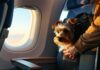
Traveling with your pet requires careful preparation. This Dog Airline Travel Guide helps you review airline rules, carrier options, and health documentation to plan a safe trip.
TL;DR
Planning your first flight with a dog requires coordinating airline policies, vet checkups, and safety gear. This step-by-step guide walks you through the booking process, cabin rules, and cargo regulations. You will learn how to keep your dog comfortable and compliant from takeoff to landing.

Key Takeaways
- Size and weight limits strictly dictate whether your dog travels in the cabin or as checked cargo.
- Most major airlines require a Pet Travel Health Certificate issued by a licensed vet shortly before departure.
- Acclimating your dog to an approved travel carrier weeks in advance reduces anxiety and stress.
- Fees vary widely by carrier, making a thorough airline pet fee comparison essential before booking.
- Always locate airport pet relief areas at both your departing and connecting airports before your travel day.
What is Flying With a Dog?
Flying with a dog involves transporting your canine companion on a commercial aircraft. Depending on your dog’s physical size, breed, and health, they will travel in one of three ways. They can travel under the seat in front of you, as checked baggage in a temperature-controlled hold, or via manifest cargo.
Understanding Cabin vs. Cargo Travel
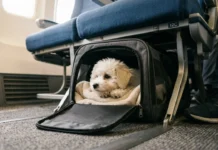
In-cabin travel is reserved for small dogs that fit comfortably inside a specialized carrier. The carrier must fit directly under the seat in front of you during the entire flight. Large dogs must travel in the cargo hold, which is pressurized and climate-controlled for safety.
The Role of Airline Regulations
Airlines enforce strict safety rules to protect pets, crew members, and other passengers. Each airline sets its own weight limits, carrier dimensions, and weather-related travel restrictions. Navigating these rules successfully requires careful planning and early communication with your selected carrier.
How Flying With a Dog Works
The entire travel process begins weeks before your scheduled departure date. You must register your pet with the airline, as they limit the total number of animals allowed on each flight. This section outlines the typical progression from booking to your arrival at your final destination.
Booking Your Dog’s Space
When booking a flight for a dog, you cannot simply buy a standard ticket online. You must call the airline’s customer service department to confirm pet availability on your specific flight. Once confirmed, the airline adds a pet reservation to your existing passenger profile.
Checking In at the Airport
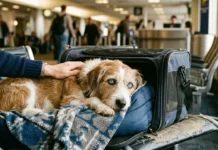
On travel day, you must check in at the main airport counter with your dog. Curbside check-in and self-service kiosks are generally not permitted for passengers traveling with animals. Airline agents will inspect your dog’s paperwork, weigh your pet inside the carrier, and collect the required pet fee.
Navigating Airport Security
When passing through security, you must remove your dog from their carrier. You will walk your dog through the metal detector on a leash while the carrier passes through the X-ray machine. Security personnel may also swab your hands for explosive residue during this standard screening process.
Who This Guide Is Relevant For
This guide serves pet parents planning their very first flight with a dog. Different rules apply depending on your dog’s age, size, breed, and official training status. Identifying your dog’s specific travel category ensures you meet the correct legal and operational standards.
Traveling With a Puppy
When traveling with a puppy on a plane, you must pay close attention to minimum age requirements. Most airlines require puppies to be at least eight to sixteen weeks old to fly. Additionally, puppies must have completed their initial round of rabies vaccinations before taking their first flight.
Flying With Large Dogs
If you are flying with large dogs, your pet will travel in the aircraft’s cargo hold. This process requires a heavy-duty, rigid travel crate that meets international safety standards. You must also monitor seasonal temperature restrictions, as airlines will not fly cargo pets during extreme heat or cold.
Guidelines for Working Animals
Special rules apply when flying with a service dog that is individually trained to perform tasks for a person with a disability. These dogs are legally permitted to travel in the cabin at no extra charge. However, passengers must submit specific federal documentation to the airline’s accessibility desk before boarding.
Emotional Support Animal Rules
The rules for flying with an emotional support dog have changed significantly in recent years. Most airlines no longer recognize emotional support animals as service dogs, treating them instead as standard pets. If your dog is an emotional support animal, they must meet the standard pet size, weight, and fee requirements.
Key Requirements and Technical Specifications
To ensure a smooth journey, you must satisfy a variety of airline and federal requirements. These guidelines protect your pet’s physical safety and prevent the spread of diseases across state or international borders. Below are the primary technical specifications you must review.
Carrier Size and Material Specifications
Meeting cabin pet carrier requirements is crucial for small dogs traveling in the passenger cabin. Your carrier must have a waterproof bottom, adequate ventilation on at least three sides, and secure zippers. Soft-sided carriers are preferred for cabin travel because they compress slightly to fit under seats.
Hard-Sided Cargo Crate Requirements
For cargo travel, meeting dog airline crate requirements is a matter of physical safety. Cargo crates must be constructed from rigid plastic, metal, or wood, with secure metal nuts and bolts holding the halves together. Plastic latches are generally banned, and the door must lock securely without the use of keys.
Essential Health Documentation
Acquiring a pet travel health certificate is a standard requirement for nearly all domestic and international flights. Your veterinarian must examine your dog and sign this document within a specific window, usually ten days before travel. This certificate proves your dog is free of infectious diseases and fit to fly.
Comparison of Pet Travel Options
Choosing how your dog will travel depends on their physical size, temperament, and your budget. Below is a neutral comparison of the three primary travel options offered by major passenger airlines.
| Travel Option | Max Weight Allowed | Primary Carrier Type | Average Cost (One-Way) | Best Suited For |
|---|---|---|---|---|
| In-Cabin Travel | Under 20 lbs (with carrier) | Soft-sided, airline-approved bag | $95 – $150 | Small breeds and puppies |
| Checked Baggage | Varies by aircraft type | Rigid plastic, bolted crate | $150 – $250 | Medium breeds on approved routes |
| Manifest Cargo | Up to aircraft cargo limit | Heavy-duty shipping kennel | $250 – $600+ | Large breeds and solo pet travel |
For detailed rules regarding dimensions and accepted breeds, review the policies of Delta Air Lines or check the current pet guidelines on United Airlines. You can also view pet baggage services directly on American Airlines.
Pricing and Cost Overview
The total cost to fly with a dog involves more than just the airline’s flat pet fee. You must budget for several auxiliary expenses to ensure your dog meets all legal and physical travel requirements. Planning for these expenses early prevents unexpected financial stress.
Airline Pet Fee Variations
Conducting an airline pet fee comparison reveals that cabin fees generally range from $95 to $150 each way. Checked baggage and cargo fees are calculated based on the combined weight of your dog and their crate. Cargo shipping costs also depend on the physical distance of your flight route.
Auxiliary Travel Expenses
Beyond ticket fees, you will need to purchase airline approved pet carriers that fit your chosen airline’s specific dimensions. You must also pay for a dedicated veterinary exam and the necessary health certificates. These pre-flight preparations can add an extra $150 to $300 to your total travel budget.
Benefits and Drawbacks of Pet Air Travel
While flying is the fastest way to travel long distances, it may not be the ideal choice for every pet. Weighing the benefits against the potential drawbacks helps you make a responsible decision for your dog’s well-being.
Benefits of Air Travel
- Saves time compared to driving long distances across the country.
- Keeps small pets directly by your side in the climate-controlled cabin.
- Allows you to relocate permanently without leaving your beloved pet behind.
Drawbacks of Air Travel
- Can cause significant stress and physical anxiety for sensitive dogs.
- Cargo travel exposes pets to loud noises, vibration, and handling by airport staff.
- Extremely rigid schedule rules leave little room for flight delays or disruptions.
How to Prepare Your Dog for Their Flight
Proper preparation is the single most important factor in ensuring a safe, stress-free flight for your dog. You should begin your preparation routine at least one month before your scheduled departure date. This ensures your dog is physically and mentally ready for the journey.
Acclimating Your Dog to the Carrier
Start acclimating dog to travel crate exercises early by placing the crate in your living room with the door open. Feed your dog their daily meals inside the crate and reward them with high-value treats. Gradually close the door for longer periods until they view the crate as a safe, comfortable resting spot.
Managing Flight Anxiety Safely
If you are looking for dog flight anxiety solutions, consult your veterinarian about natural supplements or pheromone sprays. Be aware of dog sedative for flying regulations, as many airlines ban sedated pets in the cargo hold. Sedatives can interfere with a dog’s natural ability to regulate their body temperature and balance.
Pre-Flight Feeding and Hydration
Following correct feeding dog before flight guidelines helps prevent motion sickness, vomiting, and bathroom accidents. Feed your dog a light meal approximately four to six hours before your departure time. Offer small amounts of water right up until boarding, and freeze a water dish to attach inside cargo crates.
What to Review Before Deciding to Fly
Before booking any non-refundable travel, you must carefully evaluate your dog’s physical health, age, and facial structure. Some dogs face significantly higher risks during air travel than others. Review the following factors to determine if flying is a safe option for your pet.
Breed-Specific Health Risks
Brachycephalic, or short-nosed dogs, face severe breathing risks when traveling in cargo holds. Many major air carriers have complete bans on shipping flat-faced breeds like Bulldogs, Pugs, and Boxers. If you own a short-nosed breed, cabin travel or alternative ground transportation is highly recommended.
Reviewing Destination Rules
If traveling abroad, you must check all international pet travel regulations well in advance of your trip. Some countries require a multi-month quarantine process, microchipping, and rabies titer tests. Acquiring all necessary pet passport requirements can take several months to complete successfully.
Frequently Asked Questions
What documents do I need to fly with my dog?
You will need a valid health certificate issued by a licensed veterinarian, proof of rabies vaccination, and any destination-specific paperwork. Always confirm the exact documentation requirements with your airline and destination authorities before your flight.
Can my dog sit on my lap during the flight?
No, standard in cabin dog travel rules require your dog to remain completely inside their closed carrier for the duration of the flight. The carrier must remain stowed under the seat in front of you during taxi, takeoff, and landing.
How do cargo-shipped dogs get water during travel?
Dogs traveling via the pet cargo shipping process must have two empty bowls securely attached to the inside of their crate door. Owners should freeze water in one of the bowls before check-in so it melts slowly without spilling during loading.
Where can my dog relieve themselves at the airport?
Most major airports feature dedicated airport pet relief areas located both inside and outside the secure terminal zones. It is highly recommended to locate these designated spots on the airport map before you arrive on your travel day.
What should I do if my flight is delayed?
If you experience a delay, notify gate agents immediately that you are traveling with a pet. Keep extra pet food, a leash, and collapsible bowls in your carry-on bag so you can care for your dog during unexpected travel interruptions.
Conclusion
Flying with a dog for the first time is a manageable process when you prepare thoroughly. By checking airline requirements, securing the correct travel carrier, and obtaining veterinary clearance early, you can ensure a comfortable experience for your pet. Take the time to review your airline’s specific policies and begin crate training today to set your dog up for travel success.

Sources
This content was written by AI but checked by humans for accuracy.