The first time I flew with my dog, I spent more time Googling “can my dog fly in cabin” in an airport bathroom stall than I did actually boarding the plane. Three flights and two airlines later, I’ve made almost every mistake you can make — booked the wrong carrier size, showed up without a health certificate, and once spent an entire two-hour flight kneeling in the aisle because my dog wouldn’t settle under the seat.
So this isn’t a repost of an airline’s terms and conditions page. It’s what actually happens when you fly with a dog in the U.S., what I wish I’d known before my first flight, and exactly what I do differently now.
If you’ve read a few of the other guides out there already, you’ve probably noticed they all say roughly the same thing: check the airline’s pet policy, get a health certificate, buy an approved carrier. All true. None of it tells you what it actually feels like to walk your dog through a TSA line for the first time, or what to do when your flight gets delayed two hours and your dog has been in a carrier since 5 a.m. That’s the gap I’m trying to fill here.
TL;DR
- In-cabin only, if you can help it. Your dog and carrier need to fit under the seat — usually a combined ~20 lb limit — and it’s the one option I’d personally choose. Expect $95–$150 each way.
- Book the pet spot with a phone call, not just the online flow. Airlines cap pets per flight, and I’ve been bumped before for not confirming directly.
- Get a health certificate within 10 days of travel, and check your destination state’s rules too, not just the airline’s.
- Practice with the carrier for 1–2 weeks before travel day — car rides, coffee shops, vacuum noise nearby. This mattered more than anything else for my anxious dog.
- Skip sedation. Vets generally advise against it; ask about non-sedating calming aids instead, and trial them at home first.
- Budget for extras beyond the pet fee: the carrier itself, the health certificate, comfort items, and 30–45 minutes of buffer time at the airport.
- Plan for decompression after landing — at least an hour of quiet time before anything exciting. This is the step almost every other guide skips.
- International travel needs months, not weeks, and starts with a USDA-accredited vet, not the airline.
Should Your Dog Even Fly?
Before we get into carriers and paperwork, ask this first, because it’s the question most guides bury at the bottom or skip entirely: is your dog actually a good candidate for flying?
In my experience, three things matter more than anything else:
- Size. Most U.S. airlines only allow in-cabin travel if your dog and its carrier fit under the seat in front of you — usually a combined weight limit of around 20 pounds, though this varies by carrier and even by aircraft type on the same airline. Anything bigger means cargo, and cargo is a much bigger decision (more on that below).
- Temperament. My first dog was an anxious rescue, and flying was genuinely hard on her — panting, drooling, the whole thing. My current dog is unbothered by almost anything, including a rough patch of turbulence that had the humans around her white-knuckling their armrests. Same size dog, same carrier, completely different flying experience. Be honest with yourself about which one you have, and don’t assume a calm house dog is automatically a calm airport dog. Airports are loud, crowded, and full of smells and strangers in a way most dogs never encounter at home.
- Breathing. If you have a brachycephalic breed — pugs, French bulldogs, boxers, Boston terriers, and similar flat-faced breeds — most airlines either restrict or outright ban them from cargo, and even cabin travel carries real risk, especially in warm weather or at altitude changes. Several major carriers publish breed restriction lists by name; check yours specifically, not just by “is my dog snub-nosed,” before you book anything.
If your dog gets carsick, panics in small spaces, or has a chronic health condition, I’d genuinely consider whether a pet-friendly road trip, a trusted sitter, or a specialized pet air travel service is a better call than a commercial flight. That’s not the popular answer, and it’s not what a company selling pet carriers wants you to hear, but it’s the honest one. Not every dog needs to fly just because you do.
Cabin vs. Cargo vs. Service Animal, in Plain English
In-cabin means your dog rides with you, in a soft-sided carrier that fits under the seat. This is the only option I’ll personally choose for my own dogs. Expect to pay somewhere in the $95–$150 range each way depending on the airline, and know that most airlines cap the number of pets allowed in the cabin per flight — often just a handful per aircraft. I’ve been bumped from a flight before because the pet quota was already full when I tried to add my dog after booking my own seat. I now call the airline directly right after booking to confirm a pet spot, rather than assuming it’ll be available.
Cargo means your dog travels in the pressurized, temperature-controlled hold, inside a hard-sided, IATA-compliant crate. I’ve only done this once, for a larger dog I was fostering who couldn’t fit in a cabin carrier, and I won’t pretend it wasn’t nerve-wracking. I booked a direct flight only, avoided travel on extreme heat or cold days entirely, and paid extra for a service that gave me a hold status update from ground crew at each stage. If you’re facing cargo travel, talk to your vet first about whether your specific dog is a good candidate, and ask the airline specifically about their live animal handling record and any recent incident history, not just their general pet policy page.
Service dogs are a separate category, and this is one of the areas where the rules have genuinely changed and a lot of older articles online are out of date. Since the Department of Transportation’s 2020 rule change, emotional support animals no longer qualify for the accommodations they once did — only trained psychiatric or task-trained service dogs do, and airlines can require a DOT-specific form confirming training, behavior, and health before travel. If you’re used to flying with an ESA under the old rules, plan and budget as if you’re flying with a standard pet, because that’s how most airlines will treat it now.
What Flying With a Dog Actually Costs
Almost every guide lists the base pet fee and stops there, which is misleading, because the fee is rarely the only cost. Here’s the fuller picture, based on what I’ve actually paid:
- Airline pet fee: $95–$150 each way for in-cabin, often more for cargo depending on crate size, weight, and route.
- Health certificate: $45–$150 depending on your vet and whether it’s an existing patient visit or a new one.
- Carrier: A quality airline-approved soft-sided carrier runs $60–$150. I’d avoid buying the cheapest option here — it’s the one piece of gear your dog will spend the most time in.
- Pet relief and comfort items: Puppy pads, a travel water bowl, and a few new chew items to keep them occupied add up to maybe $20–$40, but they’re worth every dollar on a long travel day.
- The cost you don’t think about: time. Between the extra buffer for security, finding a pet relief area, and the slower boarding process, I plan for at least 30–45 extra minutes at the airport compared to traveling without a dog.
None of this is enormous money, but it adds up fast if you’re not expecting it, and I’ve seen more than one person get to the airline counter surprised by a fee they hadn’t budgeted for.
Choosing a Carrier That Actually Works
This deserves more space than most guides give it, because the carrier is the single piece of gear that determines how comfortable your dog is for the entire trip. A few things I’ve learned the hard way:
- Fit matters more than brand. Your dog should be able to stand up, turn around, and lie down comfortably inside. I once bought a “medium” carrier that fit my dog’s body but not enough headroom, and she spent the flight hunched.
- Structure at the base is worth the extra cost. A carrier with a semi-rigid bottom keeps its shape when you’re carrying it through a crowded terminal, instead of sagging and stressing the dog inside.
- Mesh ventilation on more than one side. Airports get warm, and a carrier with airflow only on the ends can get stuffy fast while you’re standing in a security line.
- Practice zipping and unzipping at home, not for the first time at TSA. Some carriers have fussy zippers, and you do not want to be the person struggling with one while a line builds behind you.
The Timeline I Actually Follow
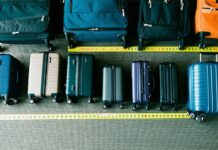
- 6–8 weeks out: Book your pet’s spot directly with the airline — not just through the online booking flow, but with an actual phone call or chat confirmation. Confirm your carrier’s exact dimensions against that specific airline’s specs, since they are not standardized across carriers, and a carrier that’s approved on one airline may be rejected on another.
- 10 days out: Vet visit for a health certificate. Most U.S. airlines require one dated within 10 days of travel, and some states have their own entry requirements if you’re crossing state lines with an interstate health certificate, so double check your destination state, not just the airline.
- 1–2 weeks out: Start “airport rehearsals.” Carrier in the car for short drives. Carrier at a coffee shop for twenty minutes. A few minutes of vacuum cleaner or hair dryer noise nearby while your dog is inside. This is the single thing that made the biggest difference for my more anxious dog — by the time we got to the actual airport, the carrier itself wasn’t a novelty.
- Day before: Freeze the food toy, print your documents even if you have digital copies, and weigh your dog and carrier together on a bathroom scale so you know for certain you’re under the airline’s combined limit.
- Travel day: Skip the big breakfast, take a longer-than-usual walk before you leave for the airport so your dog has a chance to relieve themselves and burn a little nervous energy, and arrive early enough to find a pet relief area before security — most major U.S. airports have one now, but they’re not always near your terminal, and I’ve had to walk further than expected more than once.
What Actually Happens at Security and On the Plane
TSA will ask you to remove your dog from the carrier and walk them through the metal detector on a leash, while the empty carrier goes through the X-ray belt separately. This catches almost every first-timer off guard, including me the first time — nobody had mentioned it, and I fumbled trying to hold a leash, my bag, and my shoes at the same time.
Keep your dog leashed the entire time they’re out of the carrier in the security line, and consider having a second person with you the first time if you can, just to have an extra set of hands.
Once you’re seated, your dog needs to stay in the carrier for the entire flight, fully stowed under the seat in front of you, for takeoff and landing at an absolute minimum.
Flight attendants vary in how strictly they enforce this mid-flight — I’ve had some check on us twice during a short flight, and others not at all — but I keep my dog in the carrier the whole time regardless. It’s calmer for the dog, it’s the rule I agreed to at booking, and it avoids any awkward conversation with a nervous seatmate.
If you have a layover, plan extra time to find the airport’s pet relief area between flights, and don’t assume your dog will want to eat or drink much mid-trip — mine rarely does, and I’ve stopped forcing the issue and just make sure fresh water is available if she wants it.
After You Land
This is the part almost no other guide covers, and it’s where I’ve learned the most. Dogs — even easygoing ones — often need real decompression time after a flight, not just a quick bathroom break.
I build in at least an hour of low-stimulation time before I ask my dog to meet new people, go to a new dog park, or do anything else exciting. That usually means a quiet walk, water, and a familiar blanket in whatever space we’re staying in, not a celebratory outing.
Watch for excessive panting, lethargy, or a reluctance to eat in the first 24 hours after a flight. In my experience this is usually just normal post-travel stress working itself out, but it’s worth a call to a local vet if it hasn’t resolved by the next day, especially after a longer or cargo flight.
Common Questions I Get Asked
Do I need to feed my dog before the flight?
I feed a small meal a few hours before, not right before. A full stomach plus nerves plus a moving vehicle is a bad combination.
Can I let my dog out of the carrier if the seatbelt sign is off?
No — pets must stay in an approved carrier for the entire flight per FAA and airline rules, not just during takeoff and landing. I’ve seen people try this on a quiet flight, and it’s not worth the risk to your dog or a fine.
What if my flight gets delayed or canceled?
This is the scenario nobody prepares you for. I now always pack an extra day’s worth of food and any medication, plus a spare puppy pad, specifically in case of a delay that turns a short trip into an overnight one.
Is it worth buying pet travel insurance?
For a single domestic trip, I usually skip it. For international travel or a dog with a health condition, I’ve found it worth the cost for the peace of mind alone.
What About International Trips?
Everything above assumes a domestic U.S. flight, but if you’re heading abroad with your dog, the process gets meaningfully more complicated, and I’d start planning months, not weeks, in advance.
Most destinations require an official USDA APHIS endorsement on top of your regular health certificate, and some countries have rabies titer testing requirements that need to happen well before travel — in some cases four months or more ahead of your trip.
I learned this the hard way when a friend’s international move got delayed because her vet wasn’t USDA-accredited and had to redo the paperwork with one who was. If international travel is in your future, your first call shouldn’t be to the airline — it should be to a USDA-accredited veterinarian who can walk you through your specific destination’s requirements, since they vary enormously from country to country.
The Real Bottom Line
Flying with a dog is genuinely manageable, but almost every hard part of it is logistics you can solve in advance — the right carrier, the right airline, the right paperwork, a realistic sense of your own dog’s temperament, and a dog who’s practiced the routine before travel day.
The moments I couldn’t plan around were, without exception, the ones where I’d skipped some part of that prep. Do the boring parts early, and the actual flight is almost always the easiest part of the trip.
Sources referenced for research:
- How To Fly With a Dog, from Prep to Landing – Rover
- How to Fly with a Dog: Tips for Safe & Stress-Free Air Travel – Pumpkin
- Flying with Your Dog in the Airplane Cabin – VCA Animal Hospitals
- Flying With a Dog: What You Need to Know – NerdWallet
- The Best Airlines for Flying With Pets in 2026 – NerdWallet