Airlines ground your dog’s cargo booking once temperatures hit 85°F, the threshold set by 9 CFR §3.16. You’re not dealing with airline whims—it’s federal law protecting pets from heatstroke risk during ground handling and tarmac transfers. Cargo holds lack the climate control cabins have, and dogs can’t cool down efficiently through panting alone. Airports like PHX and LAS enforce fixed embargoes regardless of forecasts. Stick around, and you’ll see exactly which airlines and routes hit hardest.
TLDR Key Takeaways
- Airlines suspend cargo pet travel once ground or cargo hold temperatures approach the unsafe 30°C threshold.
- Federal rules under 9 CFR §3.16 cap animal exposure at 85°F for over four hours to prevent heatstroke.
- Dogs cool mainly by panting, which fails in hot, poorly ventilated cargo holds, risking rapid overheating.
- Fixed-embargo airports like LAS, PHX, PSP, and TUS restrict cargo pets regardless of daily forecasts.
- In-cabin travel avoids embargoes entirely, since climate-controlled cabins keep pets safe from heat exposure.
What Is a Summer Heat Embargo?
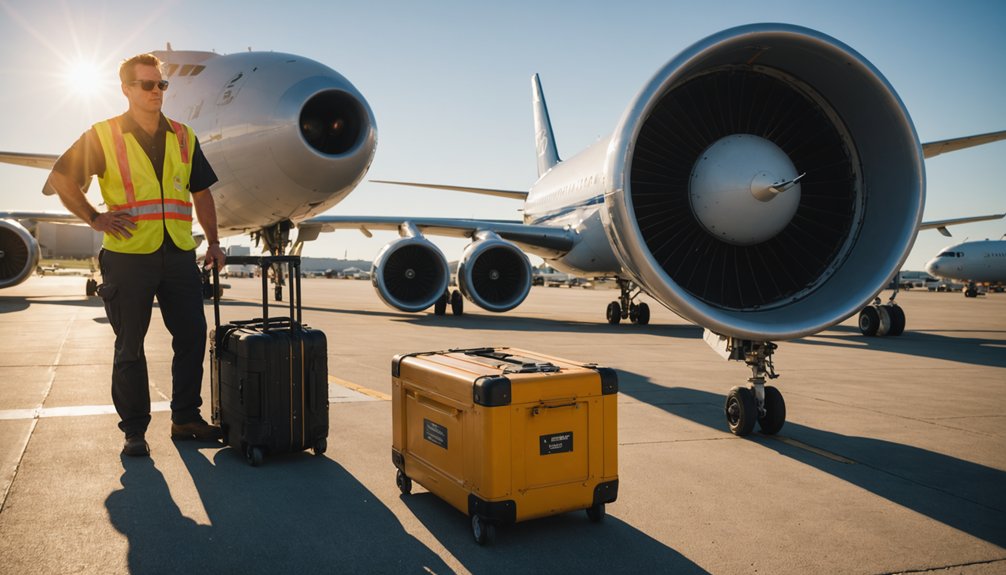
A summer heat embargo is a temporary rule airlines use to stop transporting live animals in cargo or as checked baggage once temperatures hit unsafe levels. It’s not a permanent ban—it’s a seasonal safety measure tied to weather, not the calendar. Most airlines set this threshold around 30 °C.
You’ll see it most in pet-travel situations, especially with dogs flying cargo. Airline policies vary: some carriers set fixed date ranges, while others trigger the embargo on a single hot day at your origin, connection, or destination airport. These restrictions are most common between May and September in the Northern Hemisphere and can extend into October depending on the region.
The goal is pet safety during the riskiest part of travel—ground handling, loading, and tarmac transfers—not the flight itself. Extreme heat can similarly disrupt human air travel, forcing airlines to adjust schedules and ground operations under what regulators classify as extraordinary circumstances. If you’re booking passenger-cabin travel for your dog, this restriction usually won’t apply to you. Cargo holds face different risks, and airlines treat that distinction seriously.
Why Airlines Use 85°F as the Cutoff
Because federal law sets the bar, airlines don’t pick 85°F arbitrarily. Regulatory standards under 9 CFR §3.16 set clear temperature thresholds: no warm-blooded pet stays above 85°F or below 45°F for more than four hours, and ground exposure during loading can’t exceed 45 minutes outside that band.
Airlines built their booking systems around these limits, treating 85°F as the universal trigger at any airport on your itinerary. Some airlines will still allow travel in colder conditions if owners provide a vet-issued acclimation certificate.
You’re not dealing with a random guess—you’re dealing with regulatory math that accounts for real risk:
- Tarmac surfaces can hit 130°F+ even when shade reads 95°F
- Cargo holds lack reliable air conditioning on the ground
- Loading delays of 20 minutes can turn dangerous fast
- Brachycephalic breeds overheat faster near 85°F, and some carriers apply an even stricter 75°F cutoff for these breeds
- Ground handling, not flight altitude, poses the highest risk, since cargo holds can heat up or cool down quickly once exposed to tarmac conditions
A Dog’s Body in a Hot Cargo Hold
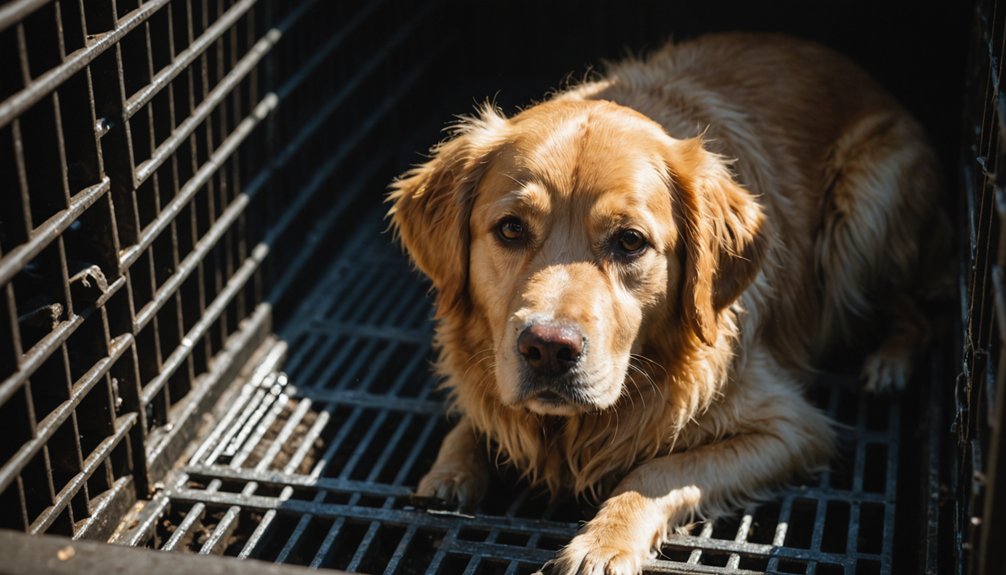
Numbers only tell part of the story—your dog’s actual biology explains why that 85°F line matters so much. Your dog’s normal temperature sits around 100.5–102.5°F, leaving little room before trouble starts.
Once body temperature hits 104°F, heatstroke risk kicks in; past 106°F, organs start failing. In a hot cargo hold, panting stops working—your dog’s just inhaling hot air, and core temperature climbs fast. Dogs can only sweat through their paw pads, making panting their main—and largely ineffective—cooling method in an enclosed cargo space.
That’s the real danger behind cargo risks: even brief lapses in ventilation systems can push temperatures into the danger zone within minutes. Humidity makes it worse, cutting your dog’s ability to cool down through evaporation. A 4°F jump above normal can turn fatal. That’s why airlines won’t gamble on ground delays or mechanical failures during summer heat. Dogs cool themselves mainly by panting, relying on evaporation from the tongue and respiratory tract rather than sweating.
Why Brachycephalic Breeds Face Stricter Heat Embargo Rules
Since your pug or bulldog can’t pant its way out of trouble like other breeds, airlines treat brachycephalic dogs as a separate risk category altogether.
Braquicefalia canina isn’t just a cute snout—it’s compressed airway anatomy that cripples termorregulación animal.
Panting, a dog’s main cooling tool, barely works when soft tissue blocks airflow.
Add cargo hold heat and humidity, and you’ve got a fast track to heatstroke, even without exertion. This same heightened sensitivity to heat is why these breeds face significantly elevated risk during pregnancy, making veterinary supervision essential even outside of travel.
Here’s why airlines draw a hard line for these breeds:
- Narrow nostrils and elongated soft palates restrict airflow
- Panting can’t compensate for poor ventilation
- Heat plus humidity accelerates hypertermia risk
- BOAS can worsen under travel stress
- Obesity compounds respiratory and thermal danger
- Symptoms can also include desmayos and intolerance to exercise, signs that owners often overlook until a flight makes them critical
Pugs, bulldogs, and boxers top the list airlines watch most closely. Owners should also watch for extremely red gums, a warning sign that heat stress may already be setting in before a flight.
Which Airports and Airlines Have the Toughest Summer Embargoes?
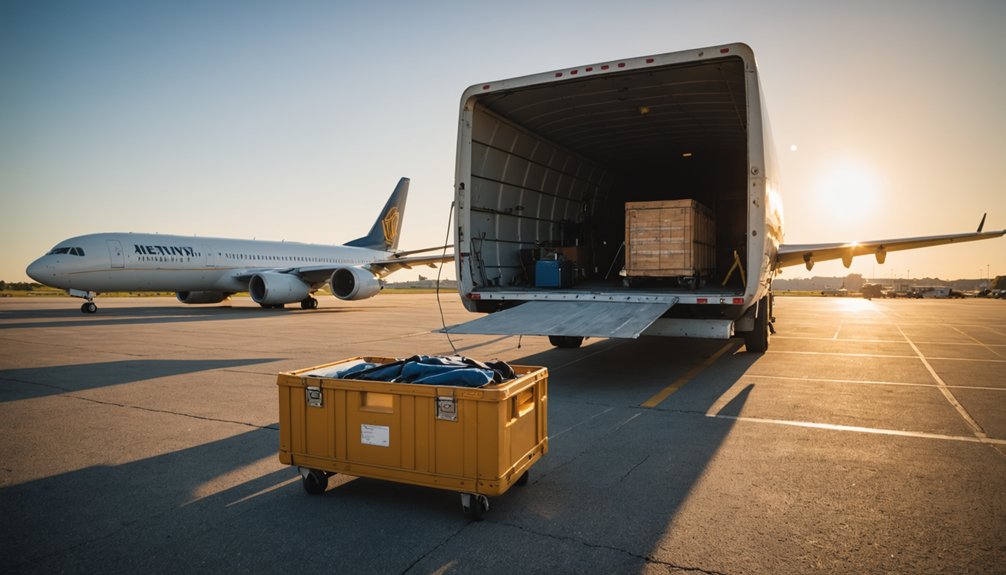
Brachycephalic breeds aren’t the only ones facing bans—geography matters just as much as anatomy. If you’re flying through desert or high-heat hubs, expect fixed embargoes regardless of the day’s actual forecast. Airline policies at these stations don’t budge for cooler-than-average days—the calendar rules, not the thermometer.
| Airport/Region | Embargo Window |
|---|---|
| LAS, PHX, PSP, TUS | May 1–Sept 30 (all carriers) |
| PHX (United) | Mar 1–Oct 31 |
| AUS, DFW, IAH, DEN (United) | Jun 1–Sept 15 |
| IAH imports (United) | Jun 1–Sept 1 |
| Delta Cargo | Year-round pet ban |
American and United enforce the toughest pet restrictions, with Delta skipping cargo pets entirely, year-round. By contrast, carriers like Qatar Airways rely on a climate-controlled cargo terminal to keep desert-route pet travel viable despite extreme heat. Beyond these fixed windows, carriers also rely on operational alerts to adjust or extend embargoes based on weather conditions or other factors affecting specific routes. Know your route before you book—freedom to travel means planning around these hard stops.
When Does Heat Embargo Season Start and End?
The heat embargo season doesn’t follow a single fixed date—it’s a window that typically runs from May through September, with June through August marking peak risk across most routes.
You won’t find a universal calendar rule here—airlines trigger heat policies based on forecast or observed ground temperatures, not just the month on the calendar.
That means your booking’s fate depends on real conditions at every airport on your itinerary. Planning ahead is essential since experts recommend booking summer pet travel 90–120 days in advance to navigate these shifting embargo windows.
Here’s what determines your actual timeline:
- 85°F is the common cutoff; brachycephalic breeds face stricter 75–80°F limits
- Southern airports risk restrictions May through September in hot years
- Northern hubs can trigger embargoes during July-August heat waves
- Seasonal restrictions often ease by late August or September
- Some routes stay locked until October if heat persists
Airlines currently maintain Summer 2026 Animal Shipping Temperature Embargoes across many stations, underscoring how widespread and station-specific these restrictions remain.
Check your specific route’s forecast, not just the season.
Where Does the Real Heat Risk Happen During Ground Handling?
Forget the forecast on your weather app—it’s not what your dog actually experiences on the tarmac. Ramp temperatures on concrete and asphalt run well above ambient air, and your dog’s crate sits right in that heat trap. Add equipment heat from tugs, GPUs, and belt loaders, and you’ve got a microclimate that no app predicts.
| Zone | Heat Source | Risk Level |
|---|---|---|
| Tarmac surface | Solar absorption/re-radiation | High |
| Near ground equipment | Engine/exhaust heat | High |
| Under-wing/fuselage | Radiant + reflective heat | Very High |
| Open gate positions | Direct solar load | High |
Bottom line: the danger isn’t the sky—it’s what’s happening six inches off the ground.
Why In-Cabin Pets Are Exempt From Heat Embargoes
Heat embargoes exist for one reason: animals in cargo hold sit unmonitored in conditions that can turn deadly within minutes.
Your in-cabin pet never enters that equation. You keep your dog beside you, in the same climate-controlled air you’re breathing, from gate to gate. That’s the core of pet safety in modern airline policies—no tarmac wait, no cargo hold, no unsupervised risk.
- Cabin stays 20–24°C regardless of outside heat
- You can see and respond to distress instantly
- Terminal-to-seat shifts take minutes, mostly indoors
- No ramp holding time in kennels or carts
- Water access and carrier repositioning are your call
Airlines built these exemptions because proximity and climate control eliminate the exact risks embargoes target.
How to Check if Your Route Has a Heat Embargo
Start by pulling up your airline’s pet-cargo page and checking for seasonal embargo dates—Delta, for instance, blocks pets as checked baggage from May 15 through September 15 on many routes, regardless of that day’s actual forecast.
Don’t stop there. Check breed-specific thresholds—82–85°F for most dogs, lower or an outright ban for brachycephalic breeds. Pull up your carrier’s station embargo list (Alaska Air Cargo publishes one) to see exact airport codes and dates, plus any exceptions like early-morning departures under 85°F. Confirm whether your connecting hub bans transfers above 85°F.
Finally, call the airline’s cargo center directly—published Heat Policies rarely capture every route exception. Cross-check these steps against real-time forecasts before booking, since Pet Travel rules hinge on conditions at handling time, not daily averages.
Smart Booking Strategies to Beat Summer Pet Embargoes
Since embargo dates are fixed on the calendar, you can dodge them entirely by booking in the shoulder season.
March, April, early May, October, and November offer the widest route selection and fewest weather disruptions.
Smart pet planning means stacking multiple strategies instead of relying on just one.
These travel tips give you control over variables airlines won’t budge on:
- Book flights before 8 a.m. or late at night for cooler tarmac exposure
- Choose nonstop routes to cut connection and relocation risk
- Route through cooler hubs like San Francisco or New York
- Consider in-cabin travel for smaller dogs to bypass embargoes entirely
- Time vet paperwork within 10 days of departure to avoid re-issuing
Flexibility is your freedom here—the more options you build in, the less power the embargo has over your plans.
Ground Transport vs. Flying: Which Is Safer in Summer?
Numbers don’t lie here: flying beats driving by a wide margin on safety, even in summer’s worst heat.
Commercial aviation clocks about 0.003 deaths per 100 million passenger miles versus 0.57 for cars—driving is 190 to 1,200 times riskier.
That gap matters for Summer Safety when you’re assessing how to move your dog.
Ground transport carries its own Transport Risks: breakdowns, tire failures, coolant issues, and hot asphalt exposure with zero redundancy.
One mechanical failure strands you and your pet in dangerous heat, no backup system in place.
Aircraft, by contrast, run engineered environmental controls that hold steady once airborne.
The real danger window is tarmac handling—not the flight itself.
Know that distinction, and you’ll book smarter.
Your Options When a Flight Gets Embargoed Last-Minute
Understanding tarmac risk is one thing—dealing with a same-day embargo notice is another.
You’re not stuck—you’ve got real moves, and none of them require accepting defeat.
- Flight rebooking onto early-morning or late-night departures avoids the 85°F cargo cutoff.
- Rerouting through cooler alternate airports sidesteps city-specific bans like Phoenix or Las Vegas.
- Switching carriers (American PetEmbark, Alaska, Hawaiian) opens routes your primary airline just closed.
- Moving to in-cabin transport, if your dog qualifies by size and weight, skips cargo restrictions entirely.
- Booking through a licensed pet shipper gets you manifest-cargo options unavailable to regular passengers.
Whatever route you choose, confirm your travel insurance covers embargo-related rebooking fees before you commit—last-minute changes add up fast, and you deserve to travel on your terms, not the heat’s.
Frequently Asked Questions
Can I Get a Refund if My Pet’s Flight Is Embargoed?
Yes—you’ll typically get a refund or rebooking when heat embargoes block your pet’s flight, since carrier-caused disruptions trigger refund policies. Check your airline’s terms, and consider pet insurance for extra travel protection beyond airline coverage.
Do Service Animals Face the Same Summer Heat Embargo Restrictions?
No—you’re exempt. Assistance animals fly in-cabin, so cargo-hold temperature regulations don’t apply to you. You’ll stay in climate-controlled comfort while cargo pets face 82–86°F bans. You still follow standard documentation and behavior rules, though.
Are Cats Subject to the Same Heat Embargo Rules as Dogs?
Yes—your pet travel plans face equal scrutiny. Cats hit the same 85°F cargo limits as dogs. Cat restrictions get stricter if you’re flying a Persian or other brachycephalic breed: expect a lower 75°F threshold, sourced directly from IATA guidance.
Can I Request an Exemption From a Summer Heat Embargo?
No, you can’t. Airline policies treat heat embargoes as fixed safety rules, not case-by-case waivers. Pet owners should instead book early flights, fly nonstop, or choose in-cabin travel to sidestep restrictions entirely.
Do Embargoes Apply to Private Charter Flights or Only Commercial Airlines?
Embargoes mainly target commercial cargo operations, not private charters. You fly your dog cabin-side, skip the hold entirely, and dodge those seasonal restrictions—giving you scheduling freedom commercial cargo shippers simply don’t have.
Conclusion
Summer heat embargoes aren’t airline red tape—they’re what keeps your dog alive. You can’t out-argue an 85°F cutoff, but you can outsmart it: book early morning or late evening flights, choose direct routes, and always have a backup ground transport plan ready. Check your airline’s specific policy before booking, not after. When summer hits, your best strategy isn’t fighting the embargo—it’s planning around it.
References
- https://www.aacargo.com/learn/animals.html
- https://pawsabroad.co/blog/summer-pet-travel-restrictions-2026
- https://www.reddit.com/r/PortugalExpats/comments/1mq7fqt/summer_heat_embargo_does_not_allow_our_schnauzer/
- https://www.facebook.com/groups/1180884898968404/posts/3102389400151268/
- https://www.starwoodpet.com/blog/how-to-juggle-weather-embargoes-during-summer-travel-with-your-pet
- https://www.aacargo.com/learn/summertime_safety_measures.html
- https://www.starwoodpet.com/blog/summer-heat-embargoes-and-pet-travel-what-you-need-to-know-before-you-move
- https://tailwindglobalpet.com/blog/pet-cargo-temperature-restrictions/
- https://pettraveladvisors.com/blog/summer-pet-shipping-heat-embargoes/
- https://www.airanimal.com/newsitem.cfm?id=1