You’ll find the best pet transit facilities at Frankfurt, JFK, Istanbul, and Heathrow. Frankfurt’s Animal Lounge spans 4,000 square meters with 24/7 caretakers and daily vets. JFK’s ARK offers 45 dog kennels and on-site emergency care. Istanbul’s Pet Lounge separates dogs, cats, and birds across 250 square meters. Heathrow’s HARC handles over 16,000 animals yearly with strict compliance. Stick around to see what sets each apart.
TLDR Key Takeaways
- Frankfurt Airport’s 4,000-square-meter Animal Lounge offers 42 stalls, 18 climate chambers, and 24/7 trained caretaker coverage.
- JFK’s ARK facility spans 178,000 square feet with kennels, a horse barn, and on-site veterinary emergency care.
- Heathrow’s HARC serves as an official Border Control Post, handling over 16,000 animals yearly with vet support.
- Istanbul Airport’s Pet Lounge provides species-separated sections and accommodates up to 32 dogs, 36 cats, and 10 birds.
- Kansai International Airport features a 24-hour Pet Hotel located in its Multi-story Parking Building No. 2.
5 Criteria for Ranking Airport Pet Facilities
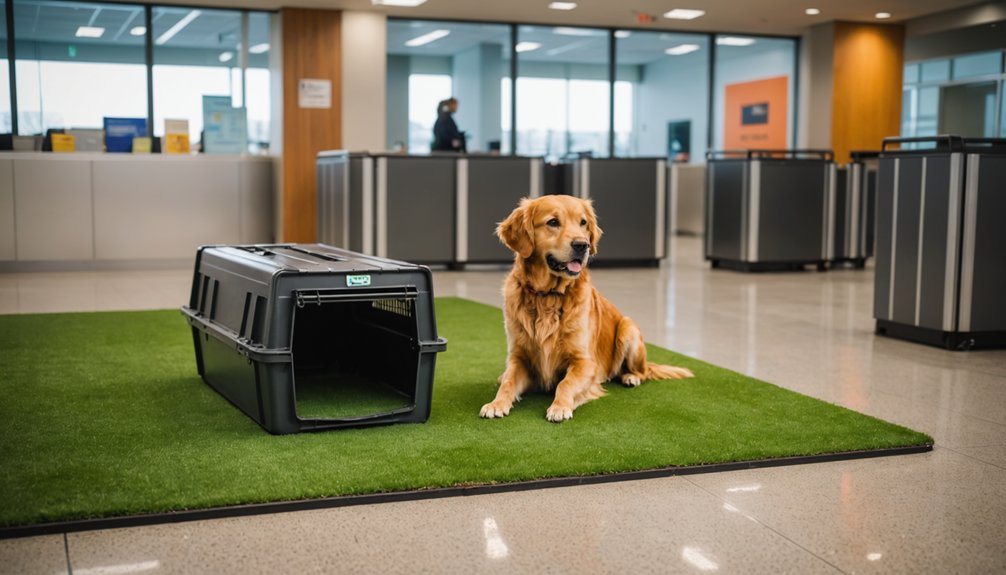
Ranking an airport’s pet facilities starts with scope and capacity, not marketing claims. You need to check if the airport runs a dedicated animal reception center with 24/7 coverage, species-segregated zones, and enough throughput to handle real demand without cutting corners. For example, Frankfurt Airport operates a 4,000-square-meter animal area with kennels, cat facilities, bird spaces, and horse stables.
Second, you’re looking at welfare and environmental control—climate regulation, low-stress design, hygiene protocols, and backup power during emergencies.
Third, veterinary access matters: on-site care, health screening, and compliance infrastructure for documentation and vaccination checks separate solid pet standards from empty promises. Proper documentation should include a health certificate confirming the animal is fit to travel.
Fourth, evaluate species-specific handling for brachycephalic breeds and vulnerable animals. At JFK, the ARK facility spans 178,000 square feet and provides care for pets, horses, birds, and livestock alike.
Fifth, terminal amenities—relief areas and clear signage—round out honest facility ratings.
Together, these criteria give you the freedom to travel with confidence, not guesswork.
Frankfurt’s Lufthansa Animal Lounge
A sprawling 3,750–4,000 m² complex at Cargo City Nord sets the global benchmark for transit animal care.
When you route your pet through Frankfurt, you’re trusting a facility built around animal welfare, not just logistics. Opened in September 2008, the Animal Lounge combines handling, coordination, and veterinary care under one roof, with non-slip flooring and weather-protected loading areas throughout.
Here’s what makes it stand out:
- 42 large-animal stalls, expandable to 28 m², plus 18 climate-controlled chambers for sensitive species
- Zoned separation for export, import, and transit areas, blocking visual and auditory contact between animals
- 50 trained caretakers working 24/7, with vets on-site daily
- 360 destinations across 90+ countries, giving you real freedom in pet transport planning
- Cats benefit especially from the facility’s design, as it includes 3 quiet zones dedicated to keeping them calm and stress-free during transit
Pets transported alone as cargo are picked up here, and owners must ensure veterinary and customs clearance is completed before collecting their animal from the Animal Lounge. The facility also houses four special aviaries designed specifically to accommodate birds passing through transit.
JFK’s Ark and Terminal Relief Areas
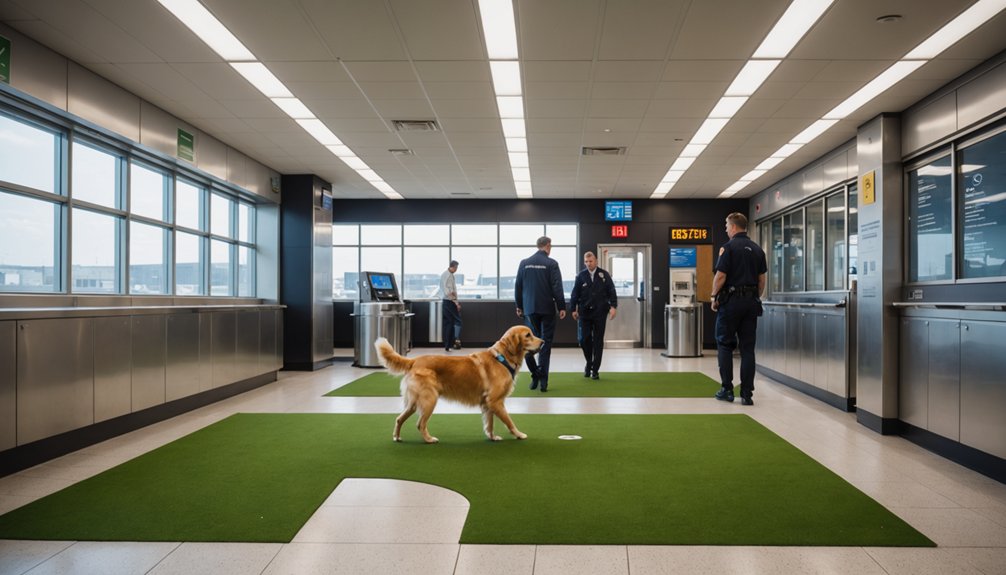
New York’s JFK splits pet care into two systems that work together: terminal-based relief areas for traveling companions and a dedicated cargo hub for animals in transit.
You’ll find 11 pet relief areas across Terminals 1, 4, 5, 7, and 8, marked with paw icons for easy wayfinding.
Terminal 4 stands out with two options: one pre-security near the Arrivals Hall walkway to Terminal 5, another beyond security on the B Concourse between Gates B31 and B33.
These airport amenities support Air Carrier Access Act compliance for service animals. Terminal 4 alone accounts for 40% of pet traffic at JFK, making its relief areas especially critical for travelers.
For actual pet travel logistics, The ARK delivers real infrastructure: 45 dog kennels, 12 cat kennels, a horse export barn, and a veterinary clinic. The facility spans 178,000 square feet, with over 14 acres of surrounding land dedicated to animal handling operations. The facility holds the prestigious IATA CEIV certification, reflecting its commitment to regulatory compliance and animal welfare.
It’s North America’s only dedicated animal cargo terminal, offering direct airside access for import, export, and quarantine needs.
Istanbul’s Turkish Airlines Pet Lounge
Where JFK handles cargo-hold pets through The ARK‘s kennel infrastructure, Istanbul Airport takes a different approach with Turkish Airlines’ Pet Lounge, a dedicated space built specifically for AVIH-category animals.
Opened Jan. 3, 2025, in the B Pier international departures area, this 250-square-meter facility (plus a 32-square-meter terrace) prioritizes pet comfort over standard cargo processing.
You’ll find these airport amenities built into the design:
- Species-separated sections for dogs, cats, and birds, so animals don’t see or stress each other.
- Vet supervision around the clock while animals wait, provided by a dedicated veterinarian and veterinary technician team.
- Capacity for up to 32 dogs, 36 cats, and 10 birds simultaneously.
- Free access once wait times hit 60 minutes (origin) or 75 minutes (transfer).
You won’t get inside yourself—it’s airside—but your pet gets a controlled, quiet environment instead of a cargo hold. Certain animals aren’t permitted through the lounge at all, since restricted breeds like pit bulls and kangals face legal limitations on air travel. For animals routed through standard cargo instead of the lounge, carrier weight limits cap the combined weight of pet and container at 50 kg.
Heathrow’s Animal Reception Centre
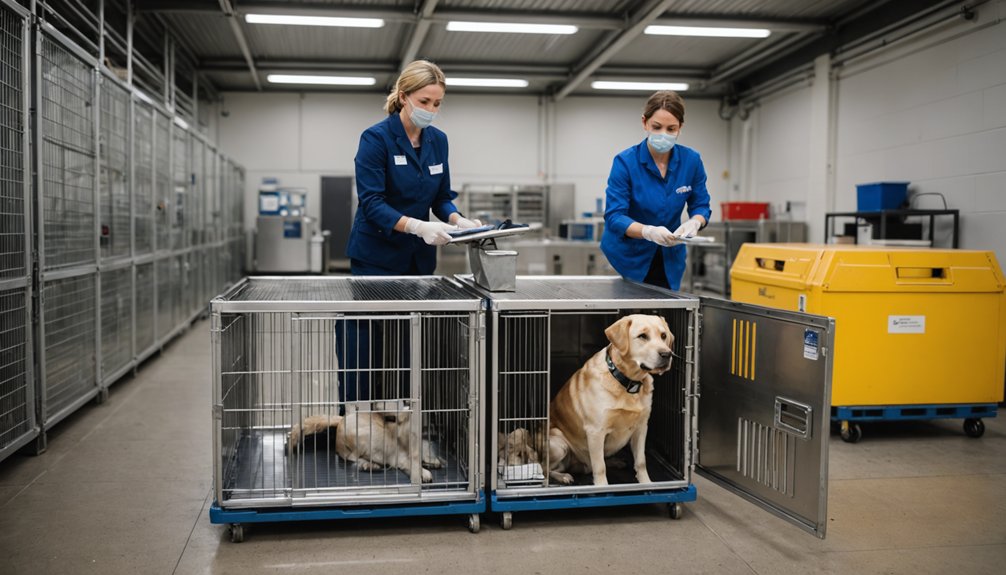
Since Istanbul built a lounge for comfort, Heathrow built its Animal Reception Centre (HARC) for regulation.
Run by the City of London Corporation, HARC serves as Heathrow’s official Border Control Post and Travellers’ Point of Entry for live animals, covering dogs, cats, birds, reptiles, and even zoo animals.
You’ll find your pet collected straight from the aircraft in a climate-controlled vehicle, then processed through microchip and document checks under UK import law.
Most Pet Transport clearances take 2-4 hours, though complex cases stretch to 48 hours.
HARC’s heated kennels, outdoor runs, and species-specific wings reflect serious Animal Welfare standards, backed by trained officers monitoring animals around the clock. Staff also check shipments against IATA requirements to ensure international compliance. HARC approval is required before any animal is permitted entry into the UK. Owners must also appoint a UK customs agent to handle clearance on arrival.
Operating 24/7, HARC prioritizes compliance and control over comfort alone.
Schiphol’s Animal Hotel
Tucked into Schiphol’s cargo zone sits the KLM Animal Hotel, less a passenger amenity than a working “own terminal” for animals moving through the airport’s freight network.
You won’t book it directly—it exists for pets, horses, and even chickens traveling as manifest cargo on KLM/Air France-KLM-Martinair routes, with transfers of 2+ hours routed through its doors.
Pet safety and animal welfare drive every operational detail:
- 24/7 staffing by trained attendants, with a vet on call at all times.
- Individual kennels and climate-controlled holding areas for rest and recovery.
- Dedicated dog-walking service, rare in airline cargo handling.
- Onsite quarantine station plus EU Border Entry Vet Inspection processing.
ISO 9002 certification backs it all—rigorous, not just reassuring.
Osaka and Singapore Changi’s Pet Amenities
While Schiphol handles animals as cargo, Osaka Itami Airport focuses on something simpler: giving dogs a place to pee before they fly. Its dog relief area sits near drop-off zones, covered and equipped with washing stations, a self-cleaning “pee pole,” benches, and fresh water—open daily from 5:30 a.m. to 10:00 p.m. Service dogs get their own indoor space with an intercom system. These airport amenities target one problem: pre-flight stress.
Nearby, Kansai International Airport backs this up with a 24-hour Pet Hotel in Multi-story Parking Building No. 2, open 365 days a year. You can drop pets off anytime, no scheduling required. Together, these two airports show what real pet travel freedom looks like—not just transport, but comfort built into the trip itself.
Which Airports Offer 24/7 Veterinary Care?
Osaka and Kansai focus on comfort before takeoff, but some airports go further, building actual medical infrastructure into their pet facilities.
If your pet transport plan requires real medical backup, these hubs deliver round-the-clock veterinary services, not just boarding space.
- JFK’s ARK runs a 24/7 animal terminal with on-site vets handling emergency assessment, quarantine, and stabilization for pets, horses, and exotics.
- Heathrow’s HARC operates as a 24-hour Border Control Post, backed by on-call Travel Vet support for over 16,000 animals yearly.
- Frankfurt’s Animal Lounge pairs permanent or on-call vet coverage with a dedicated quarantine station for diagnostics and treatment.
- EU/UK Animal Reception Centres provide continuous vet-supervised checks, verifying documentation, microchips, and vaccination compliance any hour you land.
Best Airports for Long Layovers With Pets
Because layovers longer than three or four hours can turn a crate into a stress chamber, the best-equipped airports automatically pull pets off the aircraft and into dedicated rest facilities.
At Amsterdam Schiphol, KLM’s Animal Hotel triggers transfer after three hours, giving you climate-controlled, species-specific zones while you enjoy passenger amenities nearby. Frankfurt’s Lufthansa Animal Lounge offers 61 kennels and 18 climate chambers under the same three-hour rule. Istanbul’s SmartIST Hub waits four hours but adds veterinary checks, ideal for brachycephalic or senior pets. Paris CDG’s Air France Station Hub Cargo relies on automated tracking and scheduled crate breaks instead of fixed triggers.
For serious pet travel, these airport amenities mean you can plan extended layovers without sacrificing your animal’s comfort or your own freedom to roam.
Indoor vs Outdoor Relief Areas: Which Wins?
Rest facilities solve the layover problem, but they don’t answer a more basic question: where should your pet actually relieve itself?
The answer depends on pet preferences and how much time you’ve got.
- Indoor relief areas win on speed. Post-security stations at LAX, DEN, and JFK use synthetic turf with drainage, so you skip re-clearing checkpoints entirely.
- Outdoor relief areas win on comfort. Real grass and fenced space feel familiar—surveys show 80% of pet owners prefer this setting.
- Weather decides for you. Indoor stations protect against extreme heat or cold; outdoor spots can’t.
- Hygiene favors indoor turf for controlled cleaning, though grass disperses odor better.
Your best move: match the relief option to your layover length and climate, not just preference.
How to Prep Your Pet for an Airport Layover
Once you’ve picked your relief strategy, the real prep work starts well before you reach the terminal. Solid pet preparation means booking a vet check 7–10 days out, confirming your microchip meets ISO standards, and verifying rabies timing against your destination’s rules.
Your travel planning should include an IATA-compliant crate stocked with bedding, pee pads, and clear labeling—plus a carry-on kit with food, water, and document copies.
Feed your pet 3–4 hours before departure, offer water in small amounts, and skip sedatives unless your vet prescribes them. Start crate acclimation and noise desensitization weeks ahead, so airport chaos feels familiar.
This groundwork gives you the freedom to move through layovers confidently, without last-minute scrambling or unnecessary stress on your pet.
What’s Next for Airport Pet Care?
Preparation gets your pet through today’s layover, but airports are already building the infrastructure that’ll define tomorrow’s travel.
You’re watching a shift from optional amenities to essential infrastructure, and it changes how you plan every trip.
- Real-time tracking: GPS crates and RFID tags mean you’ll know exactly where your pet is, down to dwell time and temperature.
- Digital compliance: Health certificates and permits go paperless, cutting delays caused by manual errors.
- Environmental sensors: Kennels and pallets now flag welfare thresholds before they’re crossed.
- Data-driven design: Airports use incident data to reshape staffing and facilities around actual risk.
Pet Technology and animal welfare standards are converging—giving you more control and your pet a safer trip.
Frequently Asked Questions
Do I Need Advance Booking for Airport Pet Lounges or Hotels?
Yes, you’ll usually need advance booking for staffed pet accommodations and premium airport amenities—lounges, hotels, kennels. You can skip reservations only for unstaffed relief areas. Book early during peak seasons to guarantee your pet’s spot.
What Documents Are Required for Pet Transit at These Airports?
You’ll need microchip certificates, rabies vaccination records, and pet passports or veterinary certificates confirming health status. Requirements vary by hub—Frankfurt and Schiphol demand EU pet passports, while JFK requires CDC forms and US-compliant veterinary certificates before you fly.
Are There Extra Fees for Using Animal Reception or Lounge Services?
Yes, you’ll face extra Pet Fees and Airport Charges. Heathrow charges £300–£600 per animal; Frankfurt and Schiphol bundle costs into cargo rates. You’re free to compare carriers, but expect surcharges for extended stays or special care.
Can Service Animals Skip Standard Pet Relief Area Procedures?
No, you can’t skip them. Assistance Animals and Service Pets must still use designated relief areas—you’re free to move through checkpoints faster, but sanitation rules and leash requirements still apply everywhere you go.
Which Airlines Partner Directly With These Airport Pet Facilities?
You’ll find Lufthansa as the strongest airline partner, running Frankfurt’s Animal Lounge directly. KLM ties into Shanghai Pudong’s pet-friendly rules operationally. JFK and Osaka lack confirmed airline partners—their facilities stay airport-run, not airline-branded, so choose your connections wisely.
Conclusion
When you’re routing pets internationally, you can’t ignore the data: Frankfurt, JFK, Istanbul, and Heathrow set the bar with dedicated lounges, vet access, and climate control. If your layover exceeds four hours, you’ll want one of these hubs specifically. Skip the guesswork—check terminal maps and confirm relief area hours before booking. As airports expand pet infrastructure, you’ll see more options, but right now, these four deliver the safest, most reliable transit experience for your animal.
References
- https://www.reddit.com/r/Dogfree/comments/182vw75/pet_relief_areas_at_airports/
- https://www.instagram.com/p/C4IHPFUAahW/
- https://www.elcomercio.com/narices-frias/aeropuertos-petfriendly-mascotas-banos-animales.html
- https://www.petrelocation.com/blog/post/the-best-pet-friendly-airport-lounges-and-kennels-in-the-world
- https://catabroad.com/airports/
- https://www.scmp.com/magazines/style/leisure/article/3074373/flying-pet-best-airport-lounges-animals-offering-luxury
- https://www.srperro.com/blog_perro/de-fuerteventura-a-estambul-cada-vez-mas-aeropuertos-tienen-pet-toilets/
- https://www.klm.es/information/pets/reservation
- https://www.facebook.com/groups/2359267020762740/posts/9140986959257345/
- https://www.lufthansa.com/cd/en/travelling-with-animals