Pet nanny courier keeps your pet with you in the cabin, under constant supervision and climate control—but you’ll pay for it, with domestic trips running $300–$1,500+ and international routes reaching $5,500+. Cargo shipping costs less, priced by weight and distance rather than comfort, though it comes with hidden fees and temperature restrictions. Your pet’s size, temperament, and health should guide your choice. Keep going to see exactly which fees and factors tip the decision.
TLDR Key Takeaways
- Nanny transport keeps pets in-cabin with constant supervision, while cargo places them in unsupervised, climate-controlled holds.
- Nanny services cost more, ranging $300–$5,500+, versus cargo’s weight-based pricing at $1.50–$3.00 per pound.
- Hidden fees like documentation, crates, and scheduling penalties can double quoted prices for either transport method.
- Cargo suits larger breeds, but temperature embargoes ground shipments when tarmac temps exceed 82°F–85°F.
- Choose transport based on pet size, temperament, and health rather than cost or convenience alone.
Pet Nanny vs. Cargo Shipping: Key Differences
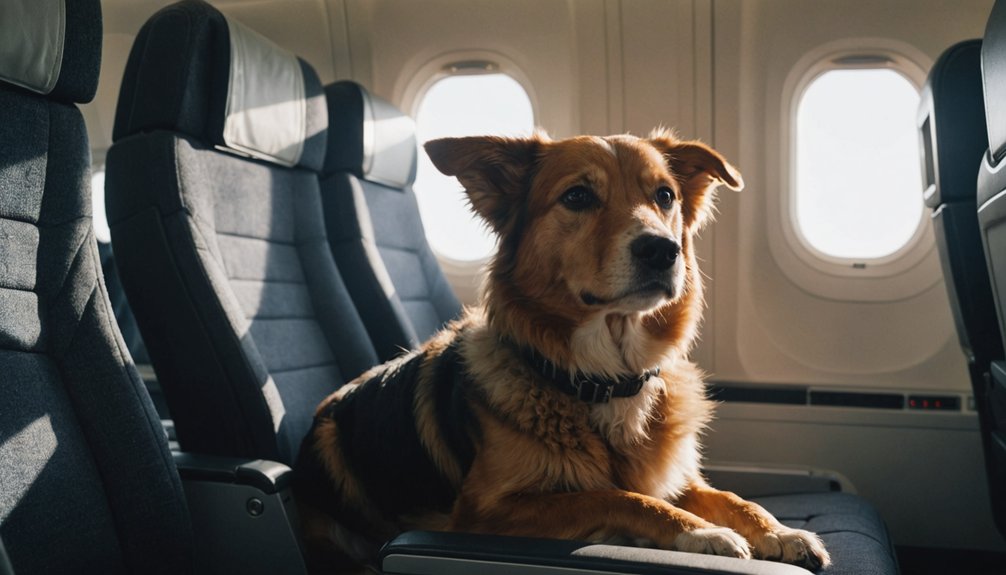
When you’re deciding how to fly your pet, the core difference comes down to where they travel and who’s watching them.
A pet nanny keeps your animal in the cabin, under your seat, with continuous, one-on-one attention from check-in to hand-off.
Cargo shipping places your pet in a pressurized, heated hold as freight, with no direct supervision mid-flight—just handling before loading and after arrival.
This distinction shapes animal welfare outcomes: nanny transport minimizes stress through proximity and stable climate control, while cargo exposes pets to noise, isolation, and tighter temperature bands. Regardless of the option chosen, health checks are conducted before pets leave the kennel to ensure they are fit for travel.
Size matters too—nannies handle small pets under 8 kg, while cargo accommodates larger breeds. Nanny transport also tends to cost more than cargo shipping, since cargo is generally the lower price option for owners on a budget. A pet nanny provides real-time updates throughout the journey, including pickup, check-in, boarding, and landing notifications.
Your choice in pet transport hinges on your animal’s size, temperament, and how much direct oversight you want during the flight.
How Much Does a Pet Nanny Courier Cost?
Price tags for pet nanny couriers swing widely based on where your pet’s headed.
Domestic trips typically run $300–$1,500+, with some same-day deliveries hitting $800–$2,000 once airfare and fees stack up.
International routes cost more—expect $1,000–$3,000+, sometimes climbing to $5,500+ for full-service transport.
Specific providers reveal the breakdown: TLC Flight Nanny starts at $675 plus a $25 processing fee, while Royal Puppy Love charges $550–$700.
Pet costs also include in-cabin airline fees ($100–$200), health certificates ($200–$400), and carrier purchases (~$50).
Nanny services themselves carry a base fee—$300–$600 domestic, $1,000–$3,000 international—plus the nanny’s own airfare and incidentals. Domestic air travel ticket pricing within the continental US can range from $965 to $2,465, largely depending on crate size.
You’re paying for control, speed, and direct oversight of your pet’s trip. Reputable nanny courier companies are typically USDA Certified and Insured, ensuring your pet’s transport meets recognized standards of care and safety. By comparison, standard cargo shipping falls into a much lower bracket, generally costing between $300 and $1,200.
How Much Does Cargo Shipping Cost?
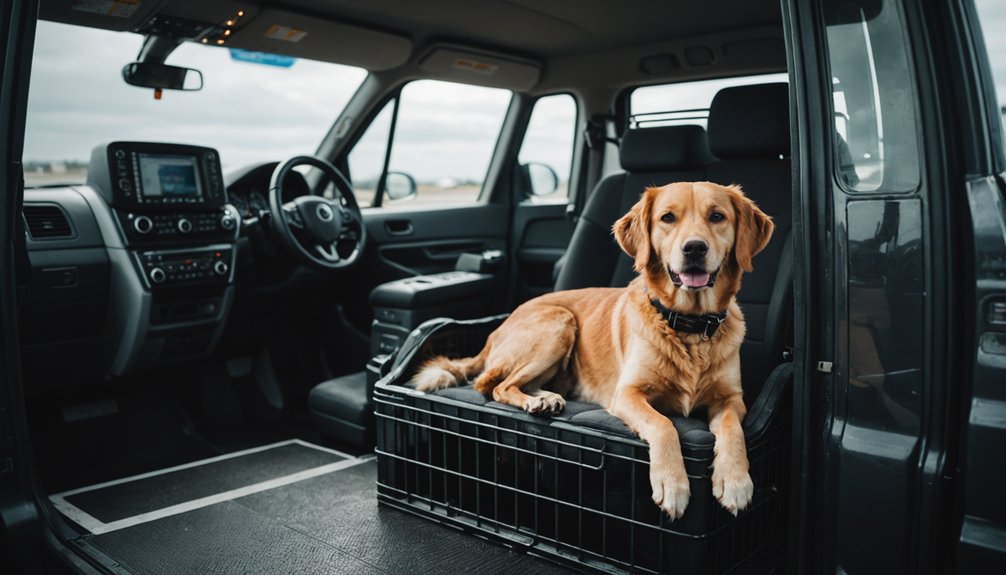
How much does cargo shipping actually cost your pet?
Freight options price by weight, distance, and service level—not comfort.
Domestic ground parcel shipping runs $1.50–$3.00 per pound, though light parcels under 3 lb spike to $3–$5 per pound.
LTL freight averages $0.22–$0.42 per pound, with contract rates near $0.464 per pound (CWT).
A typical LTL pallet costs $120–$250; USPS parcel examples show 1 lb at $6.25 and 5 lb at $12.50.
Priority air cargo minimums exceed $2.18–$2.78 per pound, while reserved service drops to $1.09–$1.39. Notably, dangerous goods shipped via air cargo are charged 125% of the applicable rate plus a $75 per UN/ID number fee.
International shipping rates vary widely—China–North America air cargo runs about $7.47 per kg, versus $2,100–$3,350 per FEU by sea. Carriers also offer shipping rates and delivery times tools so shippers can compare costs before booking a live animal shipment. Freight rates have climbed 14.3% year-over-year, meaning pet shipping costs are also likely rising alongside broader freight market trends.
Your pet becomes a line item, not a passenger.
What Hidden Fees Should You Budget For?
Four categories of hidden fees can quietly double your quoted price: platform charges, health documentation, equipment, and scheduling penalties.
Booking fees, service charges, and priority-matching add-ons often pile on top of your courier quote.
Health certificates ($35–$400), rabies updates, and customs paperwork bring extra costs airlines and platforms rarely disclose upfront. International moves can also require import permits and destination clearance services that add further expense.
Equipment matters too—IATA-compliant crates run $30–$150+, and flight nannies may tack on carrier fees, parking, or meal incidentals worth $50–$300. Many reputable providers also carry liability insurance, which can factor into the overall service cost.
Then there’s scheduling: non-refundable deposits (often 50% of your total), cancellation penalties, and rush surcharges can trap you financially once tickets are booked. Same-day delivery services can also add a premium, with total costs sometimes reaching $800 to $2,000.
Budget for these hidden charges before committing—ask providers for itemized breakdowns covering documentation, equipment, and cancellation terms, so you keep control over your travel plans and your wallet.
Why Does International Pet Transport Cost More?
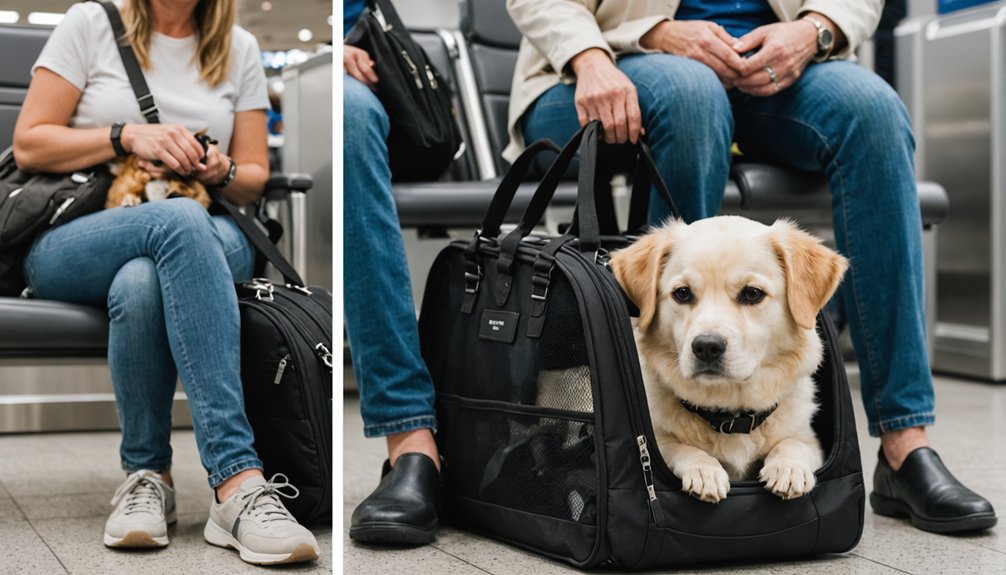
Once your pet crosses borders, you’re not just paying for a plane ticket—you’re paying for compliance, logistics, and risk management stacked on top of each other.
Export costs start early: vet exams, rabies titer tests, microchip verification, and parasite treatments all add up before departure.
Then airlines factor in volumetric pricing, crate size, and temperature-controlled holds, especially on long-haul routes.
On the receiving end, import fees take over.
Countries like Australia, New Zealand, and Japan enforce strict quarantine periods, arrival inspections, and processing charges that can push costs past $10,000 in complex cases.
Add USDA endorsements, customs clearance, and documentation reviews, and you’re looking at layered expenses—not one flat fee. Beyond these fees, customs clearance and import fees alone can range from $100 to $500 or more, depending on the destination country’s requirements. International pet transport overall can range from $500 to $2,000 or more once you factor in flights, vaccinations, and permits.
Every jurisdiction has different rules, and mistakes mean delays, rechecks, or lost money.
That’s why professional coordination matters, since sequencing of each step determines whether your timeline stays flexible or becomes compressed and costly.
In-Cabin Escort or Cargo Hold: Which Is Safer?
Costs and paperwork aside, safety is what really keeps pet owners up at night before a flight.
When it comes to pet safety, in-cabin escort wins for animal welfare. You get continuous supervision, a temperature-controlled environment, and immediate access to help if something’s wrong. Cargo transport carries more air travel risks—extra handling, ramp exposure, and limited real-time monitoring mean problems can go undetected longer.
If your pet transport plans allow it, choosing a CR1-compliant carrier under your seat gives you direct oversight and faster intervention. Cargo remains viable for larger pets, but outcomes depend heavily on airline procedures and staff training.
Bottom line: in-cabin escort minimizes risk through supervision, while cargo demands trust in protocols you can’t personally verify.
How Do Temperature Embargoes Affect Cargo Pets?
When ground temperatures climb past 82°F–85°F at any airport on your pet’s itinerary, cargo carriers will likely ground the shipment—that’s a temperature embargo.
These summer restrictions aren’t arbitrary: they target the real danger zone—loading, unloading, and tarmac transfers, where your pet has no protection from outside heat.
American Airlines Cargo bans warm-blooded pets from Phoenix, Las Vegas, Tucson, and Palm Springs from May through September.
Alaska Air Cargo runs similar heat protocols from May through mid-October.
If you’ve booked cargo for summer travel, expect forecasts—not fixed dates—to decide your pet’s fate, sometimes just hours before departure.
Brachycephalic breeds face even tighter thresholds.
Bottom line: cargo shipping surrenders your control to weather and airline policy, not your schedule.
Which Option Is Less Stressful for Your Pet?
Stress leaves fingerprints—increased cortisol, racing heart rates, labored breathing—and cargo transport produces far more of these markers than in-cabin travel does. You’re choosing between two vastly different experiences for your pet, and the data points clearly toward one option.
| Factor | Cargo Shipping | Pet Nanny Courier |
|---|---|---|
| Supervision | None until arrival | Continuous, arm’s reach |
| Sensory Environment | Loud, dark, vibrating | Stable, controlled |
| Physiological Response | Heightened cortisol, heart rate | Minimal stress markers |
Pet safety isn’t negotiable when you value your animal’s freedom to travel without suffering. A flight nanny keeps your pet monitored, comforted, and secure—prioritizing animal welfare over convenience. For brachycephalic breeds or anxious animals, this distinction isn’t preference; it’s protection.
Is Ground Transport a Cheaper Alternative?
Your wallet’s next question deserves a straight answer: it depends on distance.
Ground transport wins for short and mid-range trips—expect $75–$700 for local runs and $200–$1,200 for 100–1,500 miles.
That’s often cheaper than flight nanny fees ($500–$1,500) or air cargo ($300–$1,200).
Shared rides run $0.50–$1.00 per mile; private rides cost $1.00–$3.00.
This cost comparison shifts as distance grows: cross-country ground can hit $800–$3,500, sometimes matching or exceeding air options.
You’re trading money for time and control—private ground gives you direct routing, shared saves cash but takes longer.
Past 1,500 miles, run the numbers on all three methods before booking.
Distance decides your best deal, not assumptions.
Which Method Fits Your Pet’s Situation Best?
Because size and temperament matter more than budget here, start by matching your pet’s profile to what each method actually allows.
If your pet is small enough for an under-seat carrier and handles confinement calmly, flight nanny service gives you direct oversight and a controlled cabin environment.
If your dog is large, giant-breed, or simply too big for cabin rules, cargo becomes your only realistic option—so focus on airline-approved crates and direct routes to limit hold time.
Brachycephalic breeds, seniors, or pets with heart or respiratory issues need veterinary care clearance before you choose either method.
Talk to your vet, check your pet insurance policy for transport coverage, and let health data—not convenience—drive your final call.
Will Airline Delays Disrupt Your Pet’s Trip?
Yes—delays can turn a routine trip into a welfare risk for your pet.
Airline disruptions push cargo holds and tarmac waits outside safe temperature windows, spike cortisol levels, and raise dehydration risk once no-water windows expire.
Over 250 animals have died during or after air travel, with delays cited as a factor.
Pet risks multiply with regional disruptions—airspace restrictions, route suspensions, and 1–4 hour detours extend transit time and cost.
A 5-day delay can void health certificates and parasite treatments, forcing repeat vet exams before rebooking.
Airlines follow IATA Live Animal Regulations and sometimes use dedicated animal lounges during holdups, but passenger-rights compensation like EC 261 doesn’t cover your pet’s welfare—only yours.
How Do You Choose Between Nanny and Cargo?
The choice boils down to weight, temperament, and how much supervision your pet needs in transit.
If your pet is small enough for in-cabin travel and you want continuous human oversight, book a flight nanny—you’re paying for a dedicated escort, not just a seat.
If your pet is too large for cabin rules, cargo becomes the practical option, trading some supervision for a lower price on straightforward routes.
For domestic pet transport with anxious, senior, or oversized animals, ground transport often wins by skipping air travel entirely.
Don’t fixate on base fare alone.
Compare total trip costs across all animal relocation options, since fees, crates, and paperwork shift the final number.
Let size, route length, and your pet’s temperament drive the decision.
Frequently Asked Questions
Can I Tip or Leave a Review for My Pet’s Flight Nanny?
Yes, you can tip 10–20% and leave a review freely. You’re not obligated—it’s your choice. Reviews enhance the nanny’s Flight Rewards and future Travel Incentives, while cash or thank-you gestures show genuine appreciation for excellent care.
What Happens if My Pet Gets Sick During Transport?
Your pet’s nanny assesses symptoms immediately, keeps them calm, and offers water for hydration. If signs worsen—breathing trouble, collapse, or persistent vomiting—she’ll seek emergency care and veterinary assistance right away, keeping you informed throughout.
Do Pet Nannies Require Proof of Vaccination Before Booking?
Yes, most pet nannies require proof before booking. You’ll need to provide vaccination records and health certificates, especially rabies documentation, showing your pet’s current and safe for shared care settings.
Can I Track My Pet’s Location During Cargo Shipping?
You’ll get pet tracking via airway bill status, not live updates. You can check “departed,” “arrived,” or “in transit” online, but you won’t see continuous in-flight location—signals don’t penetrate the cargo hold.
What Size or Weight Limits Apply to In-Cabin Pet Travel?
You’ll face pet limits around 20 lb combined weight and carrier sizes near 18″×11″×11″. Animal restrictions require your pet stand, turn, and lie down freely—no cramped fits allowed under airline seats.
Conclusion
You’ll pay more for a pet nanny, but you’re buying peace of mind, direct supervision, and fewer transfer risks. Cargo shipping cuts costs, though you’re accepting more variables: temperature restrictions, layovers, and less hands-on care. Weigh your pet’s age, breed, and stress tolerance against your budget. If your pet’s health is fragile, choose the nanny. If they’re a seasoned traveler and cost matters most, cargo shipping gets the job done.
References
- https://www.petsintransit.com/2026/06/05/how-much-do-pet-transport-services-cost/
- https://www.facebook.com/groups/1180884898968404/posts/3070724679984407/
- https://www.petworks.com/articles/how-much-does-pet-transport-cost/
- https://tailwindglobalpet.com/blog/pet-shipping-costs/
- https://www.airtasker.com/us/costs/pet-transport/pet-transport-cost/
- https://pawsitivelanding.com/blog/flight-nanny-cost-pricing-guide-2026
- https://citizenshipper.com/blog/pet-shipping-service/
- https://royaldoodlehaus.com/top-worldwide-puppy-delivery-services/
- https://www.wisconsindesignerdoodles.com/puppy-transportation/flight-nanny-service-international-pet-transport-service
- https://deliveryanimal.com/en/whats-the-difference-between-cargo-and-courier-dog-transport/