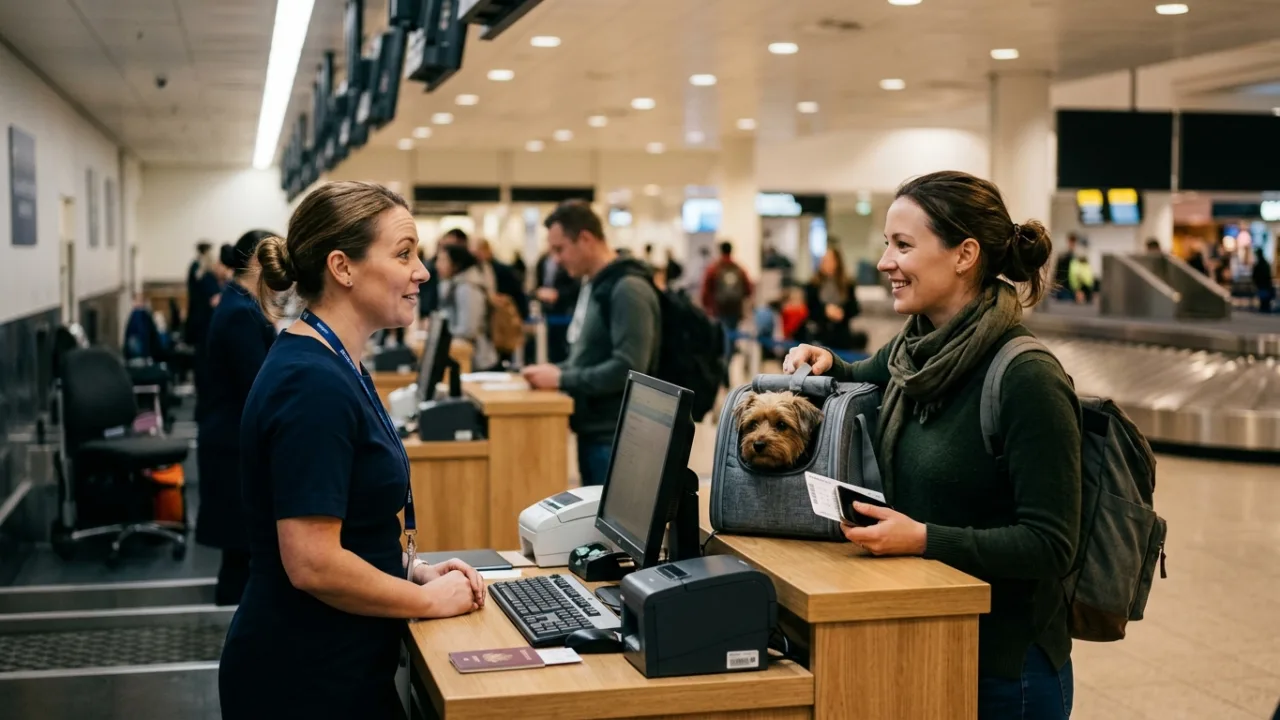
You’re standing at a check-in counter in a country whose language you barely speak, your flight boards in ninety minutes, and the folder with your dog’s health certificate, rabies proof, and pet passport is nowhere to be found. Maybe it fell out of your bag on the train, got left at the last hotel, or was simply never packed back into your carry-on after the last inspection. Your stomach drops — but before panic sets in, know this: airlines, embassies, and veterinary authorities deal with lost pet paperwork more often than you’d think, and there is almost always a path forward.
- Don’t panic — most countries have an emergency replacement process for lost pet travel documents, but timelines vary from hours to weeks.
- Your first calls should be to the issuing vet or authority, the nearest consulate/embassy, and your airline — in that order.
- A scanned microchip number is your dog’s most powerful backup identifier when paper documents disappear.
- EU pet passports generally cannot be replaced abroad — you’ll likely need a fresh one from an authorized vet in the country you’re currently in.
- USDA/APHIS health certificates for U.S.-origin pets typically require reissuance from the original accredited vet, sometimes with remote verification.
- Always travel with digital copies (cloud + offline) and physical photocopies stored separately from the originals — this single habit prevents 90% of emergencies.
- Missing paperwork can trigger delayed travel, extra vet visits, quarantine risk, or airline refusal to board — plan a buffer of at least 2–5 extra days when this happens.
Why Losing Your Dog’s Paperwork Abroad Feels Like a Crisis (And Why It Usually Isn’t a Disaster)
International pet travel runs on paperwork — a rabies vaccination certificate, a health certificate signed within a specific window before departure, sometimes an EU pet passport, and occasionally an import permit from the destination country. Losing any of these documents feels catastrophic because the entire system is designed around originals, seals, and signatures that are hard to fake and, frustratingly, hard to replace on short notice.
But here’s the reassuring part: the officials on the other side of that counter have seen this before. Airlines, customs officers, and veterinary authorities all have some version of a fallback process, even if it’s not published clearly (see: border officials question your dog's paperwork) on their websites. The key is knowing which document you lost, who originally issued it, and acting within the first few hours rather than waiting until you’re at the airport.
Step One: Figure Out Exactly What’s Missing
Before you can fix the problem, you need to know precisely what’s gone. Pet travel documentation usually falls into a few categories, and each has a different replacement path.
- Rabies vaccination certificate — proof your dog is vaccinated, usually issued by your regular vet.
- International/interstate health certificate — a document (like the USDA APHIS Form 7001 in the U.S.) confirming your dog is fit to travel, typically valid for only 10 days before entry.
- EU Pet Passport — a booklet-style document used for pets traveling within the EU, containing vaccination history, microchip number, and vet endorsements.
- Import permit — required by some countries (Australia, New Zealand, parts of the Middle East and Asia) before the pet even leaves the origin country.
- Microchip registration proof — confirms the chip number matches your dog and your ownership details.
Check every bag, coat pocket, and the outer sleeve of your dog’s carrier before assuming a document is truly lost. Airlines and border agents have seen paperwork tucked into random pouches more times than they can count.
Step Two: Who to Contact First (In the Right Order)
Time-sensitive problems need a clear sequence, not a scattershot of phone calls. Here’s the order that tends to get results fastest.
1. The Issuing Vet or Authority
Your original vet’s clinic keeps records of every certificate they issued. A quick call (or email, if time zones are against you) can often get you a duplicate PDF within hours, especially for rabies certificates and vaccination records. This is usually the fastest fix for anything other than an EU pet passport, which can’t be duplicated remotely.
2. The Nearest Embassy or Consulate
Consulates don’t issue pet documents, but they can point you toward the correct local veterinary authority, confirm entry requirements for your situation, and sometimes provide an official letter explaining the circumstances — which can help smooth things over with airlines or border officials while you sort out a permanent replacement.
3. Your Airline
Airlines are the gatekeepers at check-in, and policies vary wildly. Some will allow you to board with a written statement from a local vet plus a promise to email the original certificate before landing; others will refuse outright without a physical, signed document. Call the airline’s live animal or special assistance desk directly — not the general booking line — since they’re the ones trained on documentation rules.
4. The Destination Country’s Agriculture or Veterinary Authority
If you’re heading to a country with strict import rules (Australia, New Zealand, Japan, the UK for non-EU pets), their import authority is the final word on whether your dog can enter without the original paperwork. Many have an emergency contact line specifically for exactly this kind of situation.
The Emergency Replacement Process, Document by Document
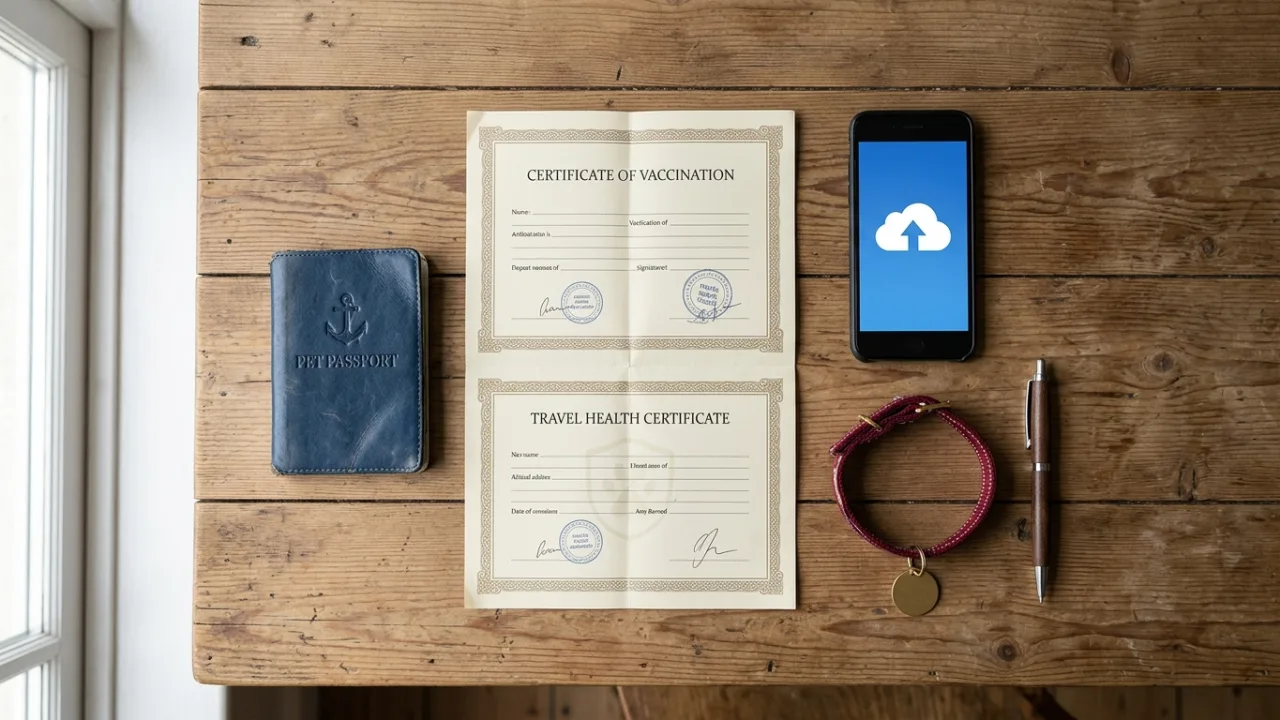
Lost Rabies Certificate
This is usually the easiest fix. Contact your home vet clinic and ask for a certified duplicate. Some countries will also accept a local vet’s re-verification of your dog’s rabies titer or vaccination record if you can show proof of the original vaccine batch and date (check your dog’s microchip registration or pet insurance records, which sometimes store this data too).
Lost Health Certificate (e.g., USDA APHIS Form)
Health certificates are trickier because they’re tied to a specific accredited veterinarian and a narrow validity window — often just 10 days. If lost abroad, your best options are:
- Ask your original accredited vet to email a signed duplicate with a fresh endorsement date if still within the validity period.
- If the certificate has expired or can’t be duplicated remotely, locate a local USDA-accredited (or equivalent) vet in the country you’re currently in (see: renewing an expired health certificate mid-journey) who can issue a new one after examining your dog.
- Contact the APHIS Veterinary Services office (or your country’s equivalent) for guidance on emergency endorsement options.
Lost EU Pet Passport
This is the hardest one to replace on the road. EU rules generally state that a lost pet passport cannot simply be reissued by any vet — the replacement process usually requires visiting an official veterinarian in an EU member state, who will need to verify your dog’s microchip, vaccination history (sometimes pulled from a shared national database), and issue a brand-new passport rather than a duplicate of the old one. If you’re outside the EU when this happens, you may need to wait until you’re back in an EU country to get a valid replacement, and use temporary documentation (a written health certificate) to complete your current trip.
Lost Import Permit
Import permits are usually tied to a government database rather than a single paper copy, so a call to the destination country’s import authority, referencing your permit number (if you remember it) or your dog’s microchip number, can often retrieve a digital copy. This is one of the few documents where losing the paper copy isn’t usually a major crisis — the record almost always exists electronically.
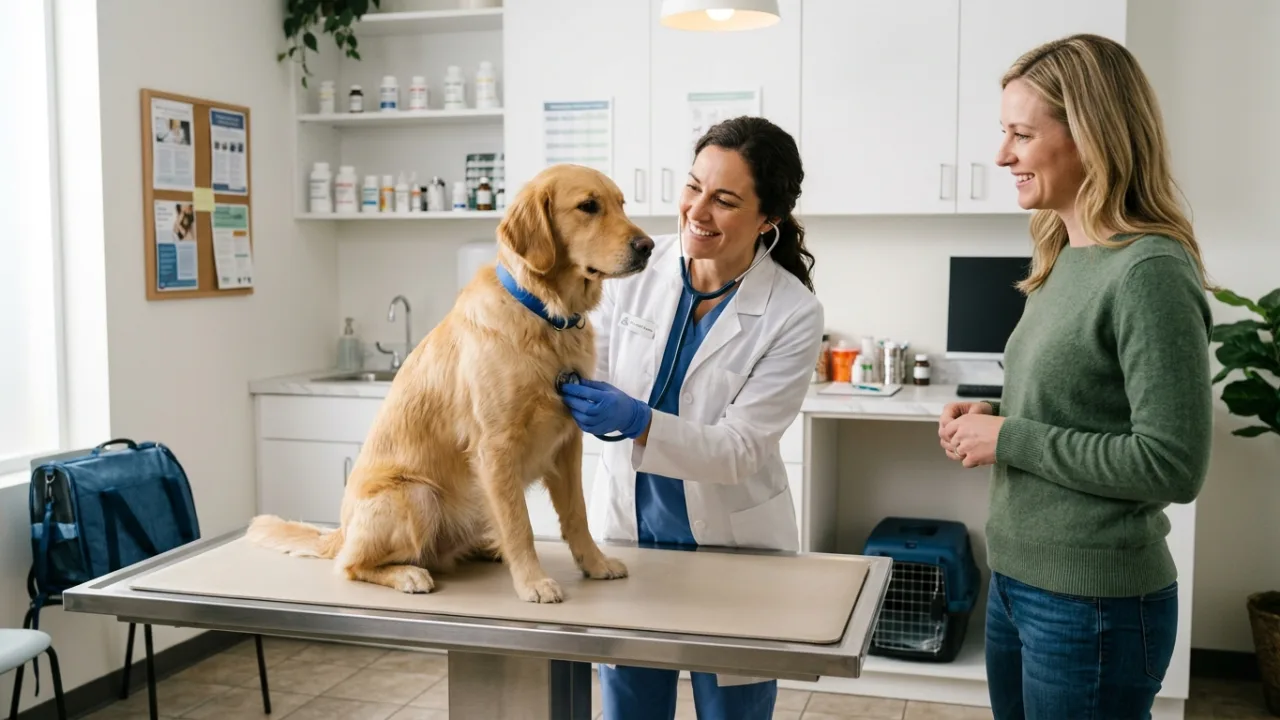
Comparison: How Fast Can Each Document Realistically Be Replaced?
| Document | Typical Replacement Speed | Can It Be Done Remotely? | Backup Option |
|---|---|---|---|
| Rabies certificate | Same day to 48 hours | Yes, usually by email from original vet | Local vet re-verification with vaccine record |
| Health certificate (USDA/equivalent) | 1–5 days | Sometimes, if within validity window | New certificate from local accredited vet |
| EU Pet Passport | Days to 2+ weeks | No — must be issued in person in an EU country | Temporary health certificate for travel |
| Import permit | Hours to 3 days | Yes, via government database lookup | Confirmation letter from destination authority |
| Microchip registration proof | Minutes to hours | Yes, via chip registry lookup | Vet scan + written confirmation |
What Happens If You Can’t Get a Replacement in Time?
Sometimes, despite every effort, the paperwork simply can’t be reissued before your flight or entry deadline. Here’s what realistically happens next, depending on your situation.
- Airlines may deny boarding. Most carriers won’t risk fines or return-flight liability by flying a pet without correct paperwork, even sympathetically.
- Border officials may hold your dog in quarantine. This is more common in countries with strict biosecurity rules (Australia, New Zealand, UK for certain routes) and can range from a few days to several weeks, plus significant fees.
- You may need to delay your trip. Rebooking flights and extending hotel stays is inconvenient and costly, but far preferable to a quarantine situation for your dog.
- Your dog could be returned to the country of origin. In rare cases, if entry is refused and no resolution is possible, dogs are sent back on the next available flight — which is why prevention and fast action matter so much.
Pros and Cons of Common Emergency Fixes
Getting a Digital Duplicate from Your Original Vet
- Pros: Fast, often free or low-cost, keeps your original travel timeline intact.
- Cons: Only works if the certificate is still within its validity window and your vet is reachable across time zones.
Visiting a Local Vet for a New Certificate
- Pros: Creates a fully valid, locally recognized document; often the only option for expired paperwork.
- Cons: Costs more, may require a new physical exam or even repeat tests (like titer tests for rabies), and can take days depending on local vet availability.
Requesting an Embassy Letter
- Pros: Helps explain your situation to airlines and officials, can buy you goodwill and time.
- Cons: Not a substitute for the actual required document — it’s a bridge, not a fix.
Prevention: The Habits That Make This a Non-Issue
Most seasoned pet travelers who’ve been through this once never let it happen again. A few simple habits go a long way.
- Scan everything before you leave home. Upload PDFs of every certificate, passport page, and permit to a cloud folder (see: keep digital and paper copies travel-ready) you can access without wifi (download offline copies too).
- Email copies to yourself and a trusted person back home. A second inbox is a free, reliable backup.
- Carry two physical photocopies, stored in different bags. One in your carry-on, one in checked luggage or a travel companion’s bag.
- Save your dog’s microchip number somewhere memorable — in your phone notes, on a printed card in your wallet, and on your dog’s travel tag.
- Keep your vet’s direct contact info (not just the clinic’s general line) handy, including after-hours or emergency numbers.
- Register with a pet travel document service or app that stores your records securely and lets you retrieve them from anywhere.
Common Mistakes People Make When Paperwork Goes Missing
- Waiting until the airport to start looking for a fix. By then, options are limited and stress is high. Start troubleshooting the moment you notice it’s missing.
- Assuming any local vet can issue an official replacement. Many certificates require an accredited or government-endorsed vet, not just any clinic.
- Not knowing the microchip number. It’s often the fastest way to verify your dog’s identity and vaccination history when paper trails fail.
- Panicking and booking a new flight without confirming the destination country’s actual requirements first. Sometimes a short delay solves everything without needing to change your whole itinerary.
- Forgetting that certificates have expiration windows. A replacement issued today may already be “too old” if it’s copying an outdated exam date.
A Real-World Perspective
Pet owners who travel internationally with dogs regularly will tell you the same thing: the paperwork system is unforgiving, but it’s also predictable once you understand it. The countries and airlines enforcing these rules aren’t trying to make life difficult — they’re managing genuine biosecurity and public health risks tied to rabies and other diseases. Understanding that context helps explain why a lost piece of paper triggers such a rigid process, and why prevention (digital backups, knowing your microchip number, keeping vet contacts handy) is so consistently recommended by people who’ve traveled this road before.
Your Emergency Action Checklist
- Search every bag and pocket thoroughly before assuming the document is gone.
- Identify exactly which document is missing and its original issuer.
- Call your home vet clinic immediately for a duplicate or emailed copy.
- Contact your airline’s special assistance or live animal desk.
- Reach out to the nearest embassy or consulate for guidance and, if needed, a supporting letter.
- Locate an accredited local vet if a fresh document is required.
- Confirm your dog’s microchip number and registration as a backup identifier.
- Build in extra time — assume at least a 2–5 day buffer if a full replacement is needed.
- Keep every new document scanned and backed up immediately once received.
Final Thoughts
Losing your dog’s paperwork abroad is one of those travel moments that feels enormous in the first ten minutes and manageable by the end of the day — as long as you act quickly and know who to call. The system is strict, but it’s also full of people (vets, consulate staff, airline agents) who deal with exactly this scenario and know how to help. Build your prevention habits now, so if it ever happens, you’re reaching for a backup folder instead of starting from zero.
If you’re planning an upcoming trip with your dog, take twenty minutes this week to scan and back up every document you’ll need — it’s the single most useful thing you can do before you ever leave home.
Frequently Asked Questions
What should I do first if I lose my dog's paperwork abroad?
Search thoroughly for the missing document first, then identify exactly which paper you're missing and who originally issued it. Contact that vet or authority immediately for a duplicate, and call your airline's special assistance line to understand what they'll accept in the meantime.
Can a lost EU pet passport be replaced outside the EU?
Generally, no. EU pet passports must be issued by an official veterinarian within an EU member state after verifying your dog's microchip and vaccination history. If you lose it outside the EU, you'll likely need a temporary health certificate to complete your current trip and get a proper replacement once back in the EU.
Will airlines let my dog fly without the original health certificate?
It depends entirely on the airline and route. Some accept an emailed duplicate from the original accredited vet if it's still within the validity window; others require a fresh, signed physical certificate. Always call the airline's live animal or special assistance desk directly rather than assuming.
How long does it take to get a replacement health certificate abroad?
A digital duplicate from your original vet can sometimes arrive within hours if the certificate is still valid. If it has expired or can't be issued remotely, getting a new certificate from a local accredited vet typically takes one to five days, depending on availability and required tests.
Will my dog be quarantined if paperwork is lost?
It's possible, especially in countries with strict biosecurity rules like Australia, New Zealand, or the UK for certain routes. Quarantine isn't automatic, but it becomes more likely if you can't produce valid documentation before your dog's scheduled entry.
Does my dog's microchip help if I lose all paper documents?
Yes. A microchip number is often the fastest way for vets and officials to pull up your dog's vaccination and ownership history from registries, even without physical paperwork. Always keep the number written down separately from the chip itself.
Can the embassy issue new pet travel documents?
No, embassies and consulates don't issue pet health or vaccination documents, but they can direct you to the correct local veterinary authority and sometimes provide a supporting letter that helps explain your situation to airlines or border officials while you arrange a proper replacement.
How can I prevent this from happening on future trips?
Scan and upload every pet travel document to a cloud folder accessible offline, email copies to yourself, carry two physical photocopies in separate bags, and keep your dog's microchip number and vet's direct contact information easily accessible.