For a veterinary emergency abroad, you’ll want Google Translate as your free default, with conversation mode and camera translation for signage. Microsoft Translator handles group discussions with clinic staff via scrolling transcripts. If you need medical-grade precision, iTranslate Medical offers HIPAA-compliant, on-device speech translation. Test any app offline and in noisy rooms before you fly. Here’s how to build the right toolkit for your trip.
TLDR Key Takeaways
- Google Translate offers 108 languages, camera translation, and conversation mode for real-time vet communication abroad.
- iTranslate Medical provides HIPAA-compliant, on-device speech translation designed for accurate medical and veterinary terminology.
- Microsoft Translator supports group conversations with up to 100 participants, ideal for multi-staff emergency discussions.
- Prioritize offline functionality and test apps in airplane mode before traveling to rural or remote clinics.
- Use vetted phrasebooks and medical glossaries instead of free-form typing to avoid critical mistranslations.
How to Choose a Translation App for Vet Emergencies Abroad
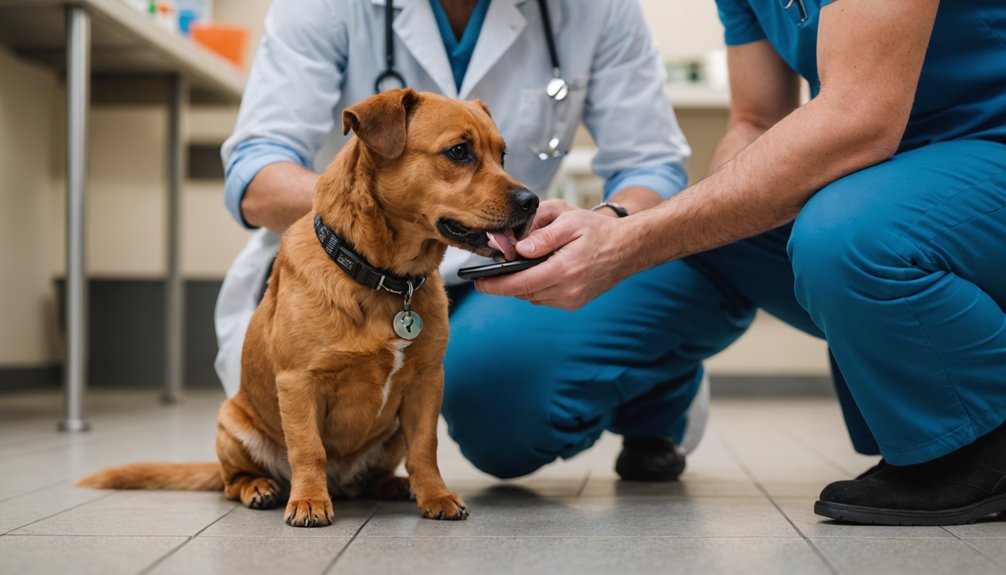
When your pet needs emergency care in a foreign country, you can’t afford an app that fumbles basic terminology.
Vet emergencies demand precision, not guesswork.
Look for apps built around medical terminology—words for symptoms, treatments, and anatomy—so nothing gets lost in foreign veterinary conversations.
Check for bidirectional dialogue mode.
You need real conversation with the vet, not one-way phrases.
Prioritize apps with human-verified translations for critical terms, since machine errors can compromise pet safety. This matters most in situations involving zoonosis prevention, where mistranslated terms could delay critical containment steps.
Speech recognition matters too.
Noisy clinics and busy streets create real translation challenges, so test how well an app handles background noise.
A reliable app should also handle the range of documents a vet emergency might involve, from diagnostic protocols to medication labels.
Finally, demand clear error handling: confidence indicators, rephrasing options, alternative suggestions.
If an app can’t flag its own uncertainty, it’s not ready for a genuine emergency. Some apps, like Microsoft Translator, even let you connect multiple devices for real-time group conversations, which can help when several people are coordinating a pet’s emergency treatment.
Google Translate: The Free Default for Pet Emergencies
Google Translate is the app you already have installed, and that’s exactly why it becomes the default choice during a pet emergency abroad. It covers 108 languages for text, 59 offline, and 94 through instant camera translation—handy for reading clinic signage or prescription labels when you’re on the move.
Conversation mode, Transcribe, and Phrasebook let you communicate with vet staff in real time and save critical phrases like allergies for repeat visits. But know the Google limitations before you rely on it. One study found it retained meaning in only 82.5% of discharge instructions, with accuracy swinging from 55% to 94% depending on language.
These translation challenges matter most with dosage or warning details—so use Google Translate as backup, not your only lifeline. If translation apps fail entirely, facilities like VEG ER for Pets offer 24-hour emergency care with staff trained to communicate clearly regardless of language barriers.
Microsoft Translator for Group Conversations in Busy Clinics
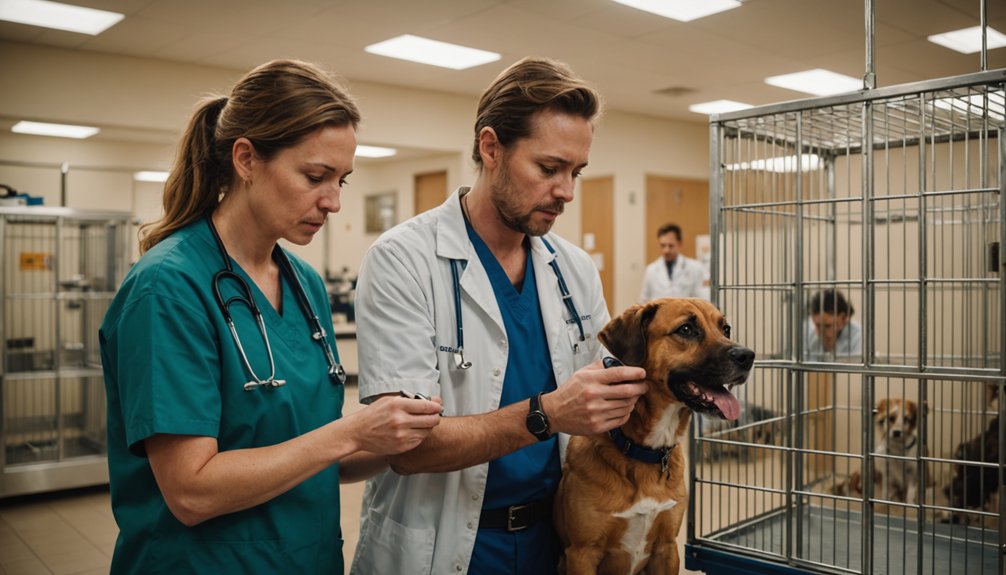
Imagine a crowded emergency clinic at midnight: a vet, two technicians, and a panicked pet owner who doesn’t speak English—Microsoft Translator’s group conversation mode handles exactly this chaos.
You can host up to 100 participants, letting everyone hear speech translated into their own language in real time. A scrolling transcript captures dosage instructions and consent details, while speaker attribution shows who said what.
Start a session from the mobile app, then share a QR code or 5-letter join code so stressed owners connect instantly. Participants can switch to a browser or Teams if they need a bigger screen. You control who speaks and how notifications sound, keeping clinic communications organized even when things get loud. Built on Azure AI, it’s built for veterinary translators handling high-pressure, multilingual moments. The service supports nine spoken languages, making it useful for a wide range of international pet owners. Each participant simply needs the Translator app or access to the translate.it web page to join in. This same technology has already proven itself in real-world settings, as seen when a middle school used the app to hold a multilingual parent meeting.
iTranslate and Premium Apps for Medical Documents
Once the group call ends and the owner leaves with a folder of paperwork, you still need to translate what’s inside it—and that’s where iTranslate earns its keep.
The Pro tier‘s camera translation reads printed discharge instructions, prescriptions, and signage instantly, no typing required. Offline language packs mean you’re not stuck waiting on clinic Wi‑Fi to finish a translation mid-emergency.
For actual medical translation work, iTranslate Medical steps up the game: HIPAA-compliant, on-device speech translation across five core languages keeps sensitive data off the cloud entirely. This rapid rollout was largely driven by the urgent communication needs created by the COVID-19 pandemic.
It auto-detects language between two selections, cutting out manual switching during chaos.
Institutions get direct setup with full compliance documentation. With over 250 predefined phrases available in the Phrasebook feature, staff can also quickly reference common veterinary terms without relying solely on live translation.
Pair this with veterinary software that handles document upload, and you’ve got a system built for accuracy under pressure—not casual convenience. Beyond medical use, iTranslate also delivers state-of-the-art translation experience in more than 100 languages, making it versatile for a wide range of communication needs.
Medical Translator Apps Vets Can Borrow From
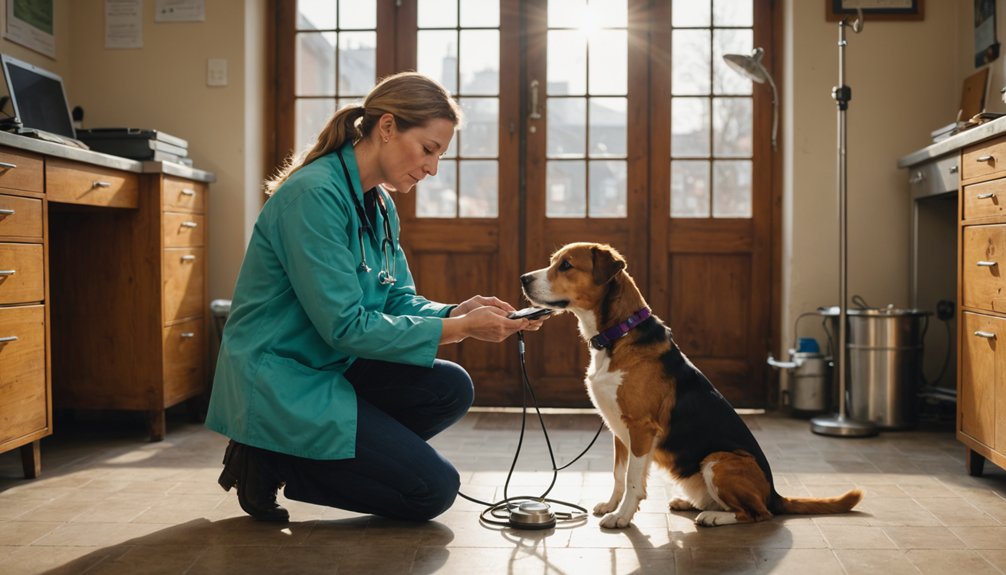
Since human medical translation apps outpace veterinary-specific tools in scope and testing, you’re better off borrowing from that ecosystem than waiting for a purpose-built alternative.
Google Translate covers 109+ languages with text, voice, camera, and offline modes, plus a solid medical terminology database for drug names and clinical instructions. Microsoft Translator handles real-time conversations across 58 languages, with glossary customization for veterinary-specific terms and offline packs for unstable connections. DeepL excels at document translation, turning discharge instructions and protocols into clear, natural prose across 26 languages, though its narrower language selection makes it less practical for daily use in fast-moving emergencies. Reverso and PONS specialize in phrase-level precision, using situational examples to prevent mistranslated dosages or symptoms. For situations requiring official documentation, professional services can also provide traducciones certificadas notariales when a certified record of the translation is needed. Looking ahead, emerging tools are expected to incorporate emotional intelligence to better interpret tone and urgency during high-stress emergencies. Together, these tools break down language barriers when you’re facing an emergency far from familiar terrain, no veterinary-specific app required.
SayHi and Voice Apps for Real-Time Vet Dialogue
When the emergency calls for actual back-and-forth conversation rather than translated documents, SayHi Translate and similar voice apps fill a different niche.
You get continuous voice input, automatic language detection across 90+ languages, and tap-to-speak or two-way conversation modes built for live vet dialogue. Voice accuracy stays strongest in major languages like English, Spanish, French, German, and Mandarin, but drops with regional accents or background noise—barking, equipment, multiple speakers. Speak slowly and articulate clearly, especially with drug names or anatomical terms, since medical vocabulary misfires more than general speech. Expect latency of under 1 to 3 seconds, which works fine for triage. You’ll need stable Wi-Fi or data, a charged device, and a quiet spot if you can find one. Since these apps rely on neural machine translation trained on general speech patterns, they can still misinterpret specialized veterinary phrasing even under ideal conditions. Remember that these tools are best treated as a stopgap, since emergency departments are for emergencies only and proper professional interpretation should still be sought when time allows.
Why Offline Translation Matters in Rural Clinics
Because rural clinics often run on limited or unstable internet, offline translation isn’t a nice-to-have—it’s a practical necessity. When you’re treating an animal far from reliable service, you can’t afford lag or dropped connections mid-conversation.
Rural connectivity issues mean you need tools built for “off the grid” use, keeping communication steady during outages, travel between facilities, or fieldwork in remote areas.
Offline necessities go beyond convenience—they’re about continuity. When Wi-Fi disappears mid-triage, you need translation that doesn’t stall.
Apps designed for offline use let you keep asking follow-up questions, confirming symptoms, and relaying treatment steps without waiting for a signal.
You’re not just avoiding inconvenience here—you’re protecting your ability to act fast, stay independent, and keep care moving no matter where you are.
Camera Translation for Labels, Signs, and Instructions
A blurry medication label doesn’t stop you from getting the answer you need—your camera does the reading for you.
When a foreign clinic hands you a dosage chart or hazard warning, point, scan, and read the translation instantly. Camera functionality turns unreadable text into clear instructions in seconds—no typing required when every minute counts.
Your translation software handles the heavy lifting:
- Live overlay on clinic signage and disinfectant bottles
- Photo capture of dosage charts and equipment instructions
- Gallery import for whiteboard notes and error messages
- AI-powered OCR reading curved bottles and cluttered labels
Google Translate leads the pack, with Microsoft Translator, Papago, and Lens App close behind. Whether it’s a warning label or a multi-line packaging insert, you’re never stuck guessing.
Translating Symptoms and Consent Forms Accurately
Since medical miscommunication drives adverse events and legal risk, symptom descriptions and consent forms demand more precision than casual conversation ever will.
You need veterinary accuracy, not generic phrasing—species-specific anatomy, pathology, and pharmacology terms carry real weight when a vet’s diagnosing your pet abroad.
Skip free-form typing when possible.
Use built-in medical phrase libraries covering pain levels, trauma, allergies, and shock—vetted phrases beat improvised sentences every time.
Speech-to-text speeds up communication with local staff, while offline dictionaries keep you covered when networks fail.
For consent forms, translation reliability matters most: exact legal and ethical meaning around risks, procedures, and euthanasia decisions can’t get lost.
Choose apps with a dedicated veterinary mode or custom glossary, and pair them with pre-translated templates whenever you can.
Hands-Free Translation During Emergency Procedures
When a pet’s coding on the table, you can’t stop to type.
You need real time translation that keeps up with your hands and your instincts.
Emergency communication demands speed, not fumbling with a keyboard while a life hangs in the balance.
Set up your hands-free system before chaos hits:
- Mount your device near the exam table, positioned to catch every voice without repositioning.
- Strap on a wearable mic so you can move freely while staying heard.
- Trigger preset phrases like “stop bleeding” or “monitor breathing” with a simple voice command.
- Route audio smartly—translated speech to the owner, original language to your records.
This setup keeps your hands sterile and your instructions instant.
Free vs. Paid Translation Apps: What’s Worth Paying For?
Your hands-free setup only works as well as the app running behind it, and that’s where the free-versus-paid question actually matters.
Free apps like Google Translate and Microsoft Translator handle basic phrases fine, but accuracy drops fast with veterinary terminology—dosages, symptoms, procedures.
That’s a real risk when a diagnosis hangs on precise wording.
Translation costs stay low across the board: paid tiers run $5–$9 monthly, hardly prohibitive for emergency-grade reliability.
What justifies paying?
Paid features like enhanced offline packs, faster camera translation for labels and forms, and multi-speaker conversation modes built for high-stakes exchanges.
If you’re traveling with a pet and want freedom from spotty connectivity or mistranslation risk, that small subscription buys real peace of mind.
Casual travelers can skip it—clinical situations can’t.
Pre-Trip Checklist: Test Your App Before You Fly
A subscription doesn’t guarantee an app performs when you actually need it—that’s something you verify before departure, not during a crisis at a foreign clinic.
Your pre trip preparations should treat translation apps like any other travel essentials: tested, packed, and ready before you board.
Run this checklist:
- Translate emergency phrases both directions—”seizure,” “collapse,” “ingested toxin”—and compare results against a trusted bilingual source.
- Switch on airplane mode and confirm phrasebooks, glossaries, and audio still load without Wi-Fi.
- Time your route-finding to the emergency phrases screen—it should take seconds, not minutes.
- Test voice features in a noisy room to confirm speech recognition holds up under real conditions.
Fix gaps now—freedom abroad means trusting your tools when it counts.
Frequently Asked Questions
What if the Vet Clinic Doesn’t Allow Phone Use During Treatment?
You’ll rely on prep, not apps. Bring pre-translated medical histories, symptom cards, and bilingual checklists. Vet restrictions and clinic policies won’t stop you from communicating clearly—you’re prepared beforehand, so you stay in control during treatment.
Can Mistranslations During a Vet Emergency Lead to Legal Liability?
Yes, you can face liability. If language barriers or cultural differences cause dosage errors, allergy mix-ups, or consent misunderstandings, you’re exposed to negligence claims. Choose specialized tools, insist on clarity, and don’t let apps gamble with your pet’s safety.
Should I Bring a Printed Phrasebook as Backup to Apps?
Yes, bring one. Don’t rely solely on digital phrasebooks—apps crash, batteries die, signals drop. Paper backups give you fail-safe access to critical phrases, no charging or connectivity required. You stay in control, ready for anything, anywhere.
How Do I Handle Dialects or Regional Slang Not Recognized by Apps?
You’ll rephrase slang into standard terms before typing it in. Skip idiom translation entirely—apps fumble colloquialism interpretation. Ask locals for formal synonyms, use medical-specific tools, and switch to conversation mode for real-time clarification when regional words trip you up.
What Should I Do if the Translation App Crashes Mid-Emergency?
Switch immediately to your backup app—don’t waste time troubleshooting technical issues mid-crisis. If app failure persists, drop to text mode, use your printed phrasebook, or point to your emergency card. Stay flexible; you’ve got options.
Conclusion
You don’t need a perfect app—you need a tested one. Download two or three now, load offline language packs, and practice key phrases before you travel. When your pet’s in distress abroad, you won’t have time to troubleshoot. Pair Google Translate or Microsoft Translator with a medical-specific app for accuracy, and always confirm critical details (dosages, allergies, consent) verbally with clinic staff. Prep now; it pays off when it matters most.
References
- https://www.comunidadbaratz.com/blog/7-aplicaciones-moviles-para-traducir-los-principales-idiomas-del-mundo/
- https://www.livelingo.io/es/guides/best-translator-apps-expats-living-abroad
- https://okomeds.com/es/traductor-veterinario/
- https://www.lavanguardia.com/ocio/viajes/20180724/451081729545/mejores-aplicaciones-traduccion-viajar-extranjero.html
- https://www.enfermeria21.com/diario-dicen/enfermero-idea-una-app-para-facilitar-la-comunicacion-entre-paciente-extranjeros-y-personal-sanitario-DDIMPORT-039241/
- https://play.google.com/store/apps/details?id=com.siv&hl=es_MX
- https://play.google.com/store/apps/details?id=com.siv&hl=es_PR
- https://traductor-de-voz.es/articulos/tecnologia/tecnologia-de-traduccion/guia-de-aplicaciones-de-traduccion/
- https://www.machinetranslation.com/es/blog/los-mejores-traductores-medicos-con-inteligencia-artificial
- https://www.aiphone.ai/blog/es/aplicaciones-de-traduccion-en-tiempo-real/