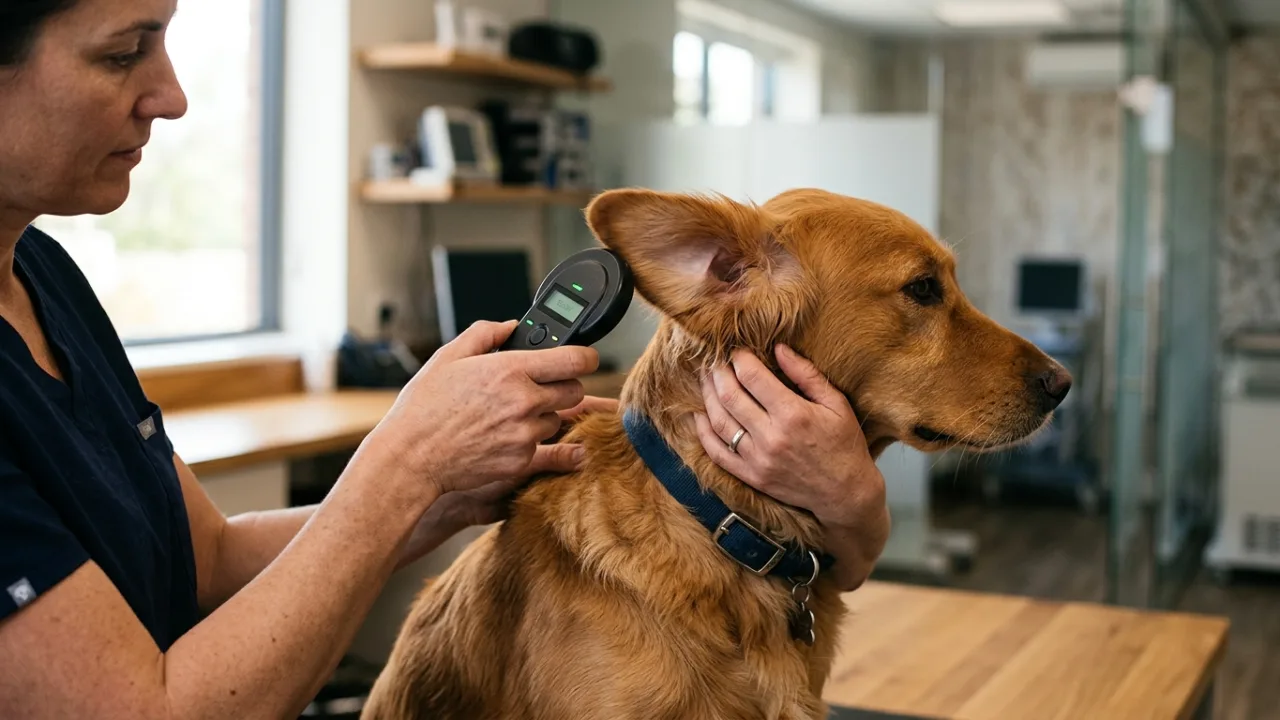
Picture this: you’ve booked your one-way flight, packed up your life, and started the paperwork to bring your dog to New Zealand — only to discover, weeks or months in, that your beloved mixed-breed rescue looks a little too much like a banned breed, or that your rabies titer test was drawn three days too early. New Zealand doesn’t bend on these rules. Not for emotional support letters, not for breeders’ certificates, not for anyone.
This isn’t meant to scare you off. Thousands of dogs make it to New Zealand every year. But the country’s biosecurity system is built to protect an island nation that has never had rabies, and it treats every application with the same unforgiving precision. Knowing what disqualifies a dog entirely — before you spend money or get emotionally attached to a timeline — is the single best thing you can do for your pet.
- New Zealand permanently bans the import of certain breeds and breed-types, including American Pit Bull Terriers, Dogo Argentino, Fila Brasileiro, Japanese Tosa, and Perro de Presa Canario — no exceptions.
- Dogs must come from, or have lived a required minimum period in, a country on New Zealand’s approved list; dogs from unlisted or high-risk rabies countries generally cannot qualify at all.
- A failed, mistimed, or improperly documented rabies titer (FAVN) test is one of the most common reasons applications are rejected.
- Puppies that are too young to complete vaccination and testing timelines before travel simply cannot meet the requirements in time.
- Pregnant dogs, dogs with incomplete microchip records, and dogs whose paperwork doesn’t match exactly are routinely turned away.
- Every dog that does qualify must still complete a minimum quarantine stay at an approved facility in New Zealand — there is no way around this step.
Why New Zealand Is So Strict About Dog Imports
New Zealand is one of a small number of countries in the world that has never recorded a case of rabies. It’s also free from several other serious animal diseases that are common elsewhere. That rabies-free status isn’t an accident — it’s the result of geographic isolation combined with one of the most rigorous biosecurity systems on the planet, managed by the Ministry for Primary Industries (MPI).
Unlike countries that share land borders and can rely on regional disease surveillance, New Zealand’s biosecurity strategy assumes that any imported animal is a potential risk until proven otherwise, in exhaustive detail. This is why the import process for dogs isn’t just a form to fill out — it’s a structured, multi-month biological and legal screening process with almost no room for interpretation.
Understanding this mindset helps explain why the rules feel so unforgiving. MPI isn’t trying to make life difficult for pet owners; it’s trying to protect an entire country’s animal and human population from a disease that, once introduced, would be nearly impossible to eliminate from an island ecosystem.
The Breed Bans: An Automatic, Non-Negotiable Disqualifier
This is the single biggest shock for many pet owners, and it has nothing to do with health, vaccinations, or paperwork. Under New Zealand’s Dog Control Act, certain breeds and breed-types cannot be imported into the country at all, regardless of temperament, training, health records, or how long the dog has lived peacefully in a family home.
The breeds typically restricted from import include:
- American Pit Bull Terrier
- Dogo Argentino
- Fila Brasileiro (Brazilian Fila)
- Japanese Tosa
- Perro de Presa Canario
The complication for many families is that these rules are often applied based on physical characteristics and breed identification, not just registered pedigree. (see: breed bans vary by country) A mixed-breed dog that strongly resembles one of these types can be flagged and refused, even if the owner insists the dog is a different breed entirely. There is no DNA-test appeal process built into the everyday import pathway that reliably overrides a physical identification decision, so if there is any ambiguity about your dog’s breed heritage, this needs to be investigated and documented long before you commit to a moving date.
If you own one of these breeds, or a dog that could reasonably be mistaken for one, New Zealand is very likely off the table as a relocation destination for your pet, no matter how much preparation you do.
Country of Origin: The Rabies Status Filter
Even if your dog isn’t a restricted breed, where your dog is coming from can disqualify them just as completely. New Zealand groups countries into risk categories based on their rabies status, and the pathway available to your dog depends entirely on which category your country of departure falls into.
How the Country Categories Generally Work
| Category | Description | Typical Pathway |
|---|---|---|
| Low-risk / rabies-free countries | Countries with no history of rabies and strong animal health controls | Most straightforward pathway; fewer pre-export tests required |
| Approved rabies-controlled countries | Countries where rabies exists but is well managed and monitored | Requires vaccination, waiting periods, and a rabies antibody (titer) test |
| Non-approved or high-risk countries | Countries not currently on New Zealand’s approved list, or with limited disease surveillance | Often no direct pathway; may require lengthy residency in an approved third country first |
Here’s where many hopeful pet owners get stuck: if your dog has spent its whole life in a country that isn’t on New Zealand’s approved list, you often can’t simply fly them directly to New Zealand. In many cases, the dog must first live in an approved country for a required minimum period — sometimes several months — before it can even begin the formal import process. For families relocating for work with only a few months’ notice, this timeline alone can be an absolute disqualifier.
This is one of the content gaps most pet owners don’t realize until it’s too late: the country your dog is currently living in matters just as much as your dog’s health.
The Rabies Titer (FAVN) Test: Where Applications Quietly Fail
For dogs coming from countries where rabies exists, New Zealand requires a blood test — often called a FAVN test (Fluorescent Antibody Virus Neutralisation) — that measures the level of rabies antibodies in your dog’s blood after vaccination. This is not a simple vet visit. The test must be:
- Conducted at a laboratory approved for New Zealand’s import purposes
- Taken a set minimum number of days after the rabies vaccination is administered
- Completed within a defined window before travel — not too early, not too late
- Accompanied by results that meet or exceed the minimum antibody threshold
Dogs fail this step for reasons that have nothing to do with their overall health. A titer drawn a few days too soon after vaccination, before antibodies have fully developed, can come back below the required threshold. (see: timing the rabies titer test correctly) A test result that “expires” because travel gets delayed by a few weeks can force an owner to restart the entire waiting period. And because rules and approved laboratory lists can change, using outdated information from an old forum post or a friend’s experience is a common — and costly — mistake.
Age: Why Young Puppies Are Often Disqualified by Default
It’s not unusual for families to want to bring home a new puppy alongside a big move, but New Zealand’s timeline requirements make this extremely difficult in practice. Puppies need to be old enough to receive a rabies vaccination, then wait the required period before blood can be drawn for titer testing, then wait again for that test to be processed and cleared, before any travel arrangements can even be finalized.
When you stack these mandatory waiting periods on top of each other, a very young puppy simply may not be old enough to complete the entire sequence before your planned relocation date. Families who don’t map this out early often find themselves forced to either delay their own travel, leave the puppy behind temporarily, or accept that the timeline won’t work at all for that particular animal.
Pregnancy: An Automatic No
Dogs that are visibly or medically confirmed pregnant are not permitted entry. This is a straightforward health and biosecurity precaution, but it catches out owners who didn’t realize their dog was pregnant at the time of health certification, or who assumed an early-stage pregnancy wouldn’t be an issue. If there’s any chance your dog could be pregnant, this needs to be resolved and documented well before you begin the formal import process.
Paperwork Precision: The Silent Disqualifier
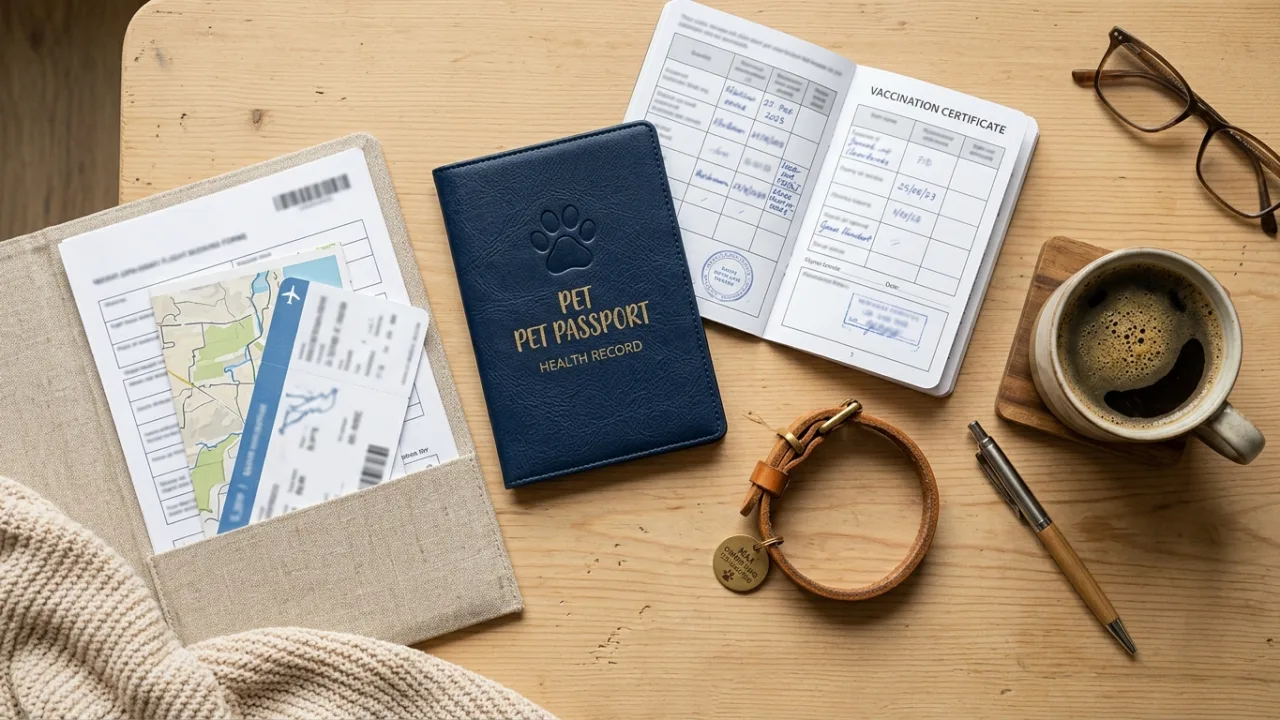
Even dogs that clear every biological hurdle can be turned away over documentation. New Zealand’s import health standard requires an exact chain of matching information across:
- The dog’s microchip number
- Vaccination records
- The rabies titer test results
- The official veterinary health certificate
- The import permit application
If the microchip number on the vaccination certificate doesn’t exactly match the number on the health certificate, or a date is transposed, or a vet’s signature is missing a required accreditation stamp, the application can be rejected or delayed significantly. This isn’t bureaucratic pedantry for its own sake — it’s how MPI verifies that the blood sample tested actually belongs to the dog being imported. Treat every document as though it will be checked letter by letter, because it likely will be.
Quarantine: Even Approved Dogs Aren’t Exempt
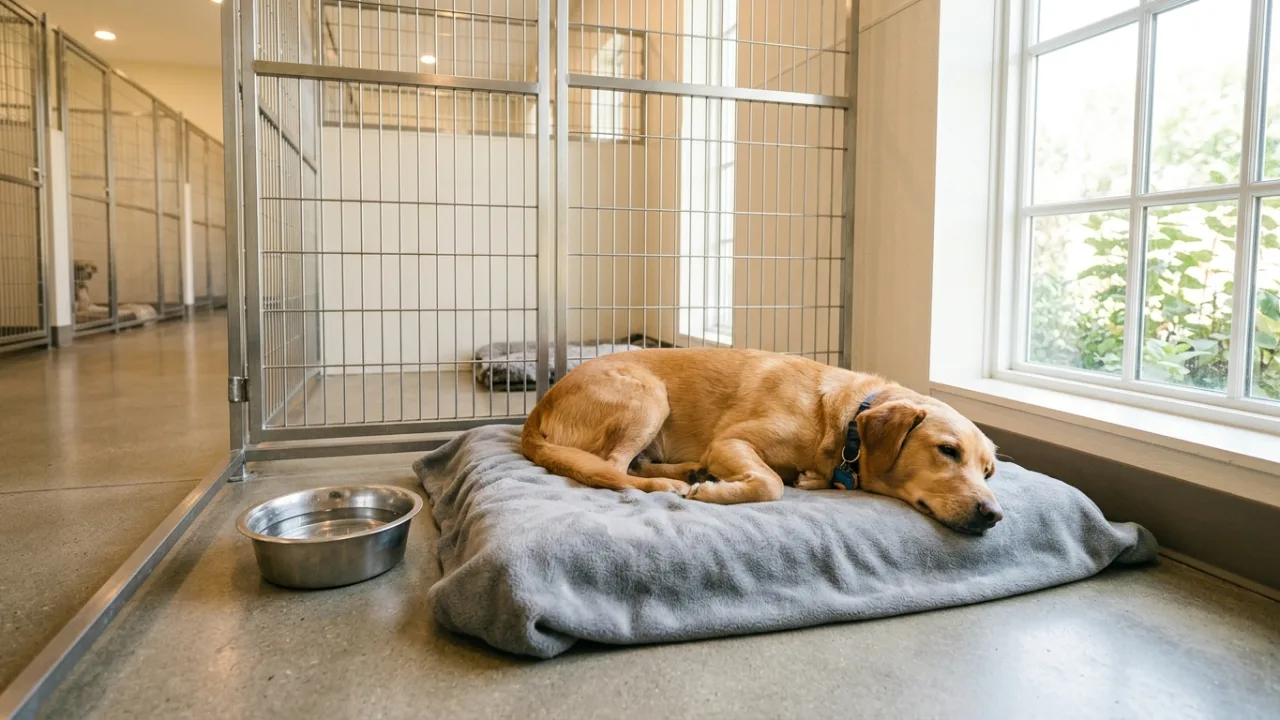
It’s a common misconception that meeting all the pre-export requirements means your dog walks straight into New Zealand. In reality, dogs approved for entry still need to complete a mandatory quarantine period at an approved facility upon arrival. The exact length can vary depending on the country of origin and the pathway your dog qualified under, but it should be factored into your budget and your emotional expectations from day one. This isn’t a punishment — it’s simply New Zealand’s final layer of protection, and it applies even to dogs with a perfect paper trail. (see: quarantine reality in Australia)
A Realistic Timeline: What the Process Actually Looks Like
- Research and eligibility check (as early as possible): Confirm your dog’s breed is not restricted and your country of origin has a viable pathway.
- Microchip and initial vaccinations: Ensure your dog is microchipped before any other procedures, since every subsequent document must reference that chip number.
- Rabies vaccination: Administered at the appropriate age and within the required pre-export window.
- Waiting period: A mandatory gap before blood can be drawn for titer testing.
- FAVN/titer test: Blood drawn and sent to an approved laboratory.
- Results and permit application: Once results clear the threshold, you apply for the official import permit.
- Pre-export veterinary check and health certificate: Completed close to the travel date.
- Travel and quarantine: Arrival in New Zealand, followed by the required quarantine stay.
Depending on your dog’s country of origin, this entire sequence can take several months from start to finish. Rushing any single step is one of the most common reasons families miss their intended travel date entirely.
Common Mistakes That Disqualify Otherwise-Healthy Dogs
| Mistake | Why It’s a Problem |
|---|---|
| Assuming any purebred or mixed dog resembling a banned type will be fine | Import officials can refuse entry based on physical breed identification alone |
| Starting the process only a few weeks before a planned move | Mandatory waiting periods between vaccination, testing, and travel can’t be compressed |
| Using a non-approved laboratory for the titer test | Results from unapproved labs are typically not accepted, forcing a full retest |
| Letting the titer test results “expire” due to a delayed flight | Waiting periods and result validity windows are strictly enforced |
| Microchipping after other procedures were completed | Creates mismatched records that can invalidate prior vaccination or test documentation |
| Relying on outdated information from forums or old blog posts | Import health standards are updated periodically, and out-of-date advice can lead to costly errors |
Expert Tips for Giving Your Dog the Best Chance
Start With an Eligibility Check, Not a Vet Visit
Before you book a single appointment, confirm two things: your dog’s breed status and your country’s category on New Zealand’s approved list. These two factors alone disqualify more dogs than any health issue ever will.
Work With a Vet Who Has Done This Before
Not every veterinary clinic is familiar with the specific sequencing and documentation New Zealand requires. A vet experienced in international pet export can save you months of frustration by getting the timing and paperwork right the first time. (see: a vet experienced in international export)
Look for a clinic accredited to complete official export health certificates and comfortable coordinating with an MPI-recognized laboratory for titer testing — this single choice often determines whether your paperwork sails through or gets bounced back for corrections.
Build in Buffer Time — Then Add More
Because so many steps depend on previous steps clearing successfully, a delay early in the process cascades through everything after it. Experienced pet relocation professionals generally recommend starting the process many months before your intended travel date, precisely because so many families underestimate how unforgiving the sequencing is.
Keep Every Document Together, in Order, From Day One
Create a single folder — physical or digital — the moment you microchip your dog, and add every certificate, receipt, and lab result to it as it’s issued. When it’s time to submit your final application, having a clean, chronological, easily cross-referenced record can make the difference between a smooth approval and a frustrating back-and-forth over missing details.
Pros and Cons of Attempting a New Zealand Dog Import
- Pro: New Zealand offers a genuinely high standard of animal welfare and biosecurity once your dog arrives.
- Pro: The clarity of the rules, while strict, means there’s little ambiguity once you understand them — you know exactly what’s required.
- Con: The process is long, detailed, and unforgiving of small errors.
- Con: Certain breeds are disqualified permanently, regardless of individual temperament.
- Con: Costs can add up quickly across vet visits, lab tests, permits, flights, and quarantine fees.
- Con: Families relocating on short notice may find the timeline simply doesn’t fit their move date.
What to Do If Your Dog Doesn’t Qualify
If you discover your dog’s breed is restricted, or your current country doesn’t have a viable pathway, it’s worth exploring options honestly rather than hoping for an exception — exceptions are extremely rare in this system. Some families choose to have their dog live temporarily with trusted family or friends in an approved country to build the required residency period. Others make the difficult decision to rehome their pet with a trusted caregiver rather than attempt an import that isn’t realistically possible. Neither choice is easy, but understanding the disqualifiers early gives you time to make a considered decision rather than a rushed one.
Conclusion: Preparation Beats Hope
New Zealand’s dog import rules aren’t designed to be cruel — they’re designed to protect a rabies-free nation that has a great deal to lose from even a single mistake. But that same rigor means the rules show no flexibility for good intentions, tight timelines, or dogs that are “basically” a permitted breed. The families who succeed are the ones who start early, verify every requirement directly with official sources, and treat every document as if it will be scrutinized closely — because it will be.
If you’re planning a move to New Zealand with your dog, start your research today, not the week before you book flights. Talk to a vet experienced in international export, confirm your dog’s breed status honestly, and map out your full timeline before you get emotionally or financially invested in a date that the rules may not allow.
Frequently Asked Questions
What breeds are banned from being imported into New Zealand?
New Zealand restricts the import of several breeds under its Dog Control Act, commonly including the American Pit Bull Terrier, Dogo Argentino, Fila Brasileiro, Japanese Tosa, and Perro de Presa Canario. This ban is based on breed identification, including physical appearance, so mixed-breed dogs resembling these types can also be refused entry regardless of temperament or documentation.
Can a mixed-breed dog be denied entry to New Zealand?
Yes. If a mixed-breed dog closely resembles a restricted breed, import officials may refuse entry based on physical characteristics alone. Because there isn't a reliable standard appeal process for breed identification in everyday import cases, owners of mixed-breed dogs with uncertain heritage should investigate this risk thoroughly before starting the import process.
How long does the New Zealand dog import process take?
The full process, from initial vaccination through rabies titer testing, permit approval, and travel, can take several months depending on your dog's country of origin and the required waiting periods. Rushing any single step, such as the titer test timing, is one of the most common reasons families miss their intended travel date.
Do all dogs have to go through quarantine in New Zealand?
Yes, dogs approved for import must complete a mandatory quarantine period at an approved facility after arrival, even if they've passed every pre-export test and health check. The length can vary depending on the dog's country of origin, so it should be factored into both your budget and your travel planning from the start.
What is a rabies titer or FAVN test, and why does it matter so much?
A rabies titer, often processed as a FAVN test, measures the level of rabies antibodies in a vaccinated dog's blood. New Zealand requires this test for dogs coming from countries where rabies exists, and it must be drawn at the correct time, sent to an approved laboratory, and meet a minimum antibody threshold. Mistimed or improperly processed tests are a leading cause of import delays and rejections.
Can I bring a puppy to New Zealand?
It's possible, but the mandatory sequence of vaccination, waiting periods, and titer testing means very young puppies often can't complete every required step in time for a family's planned move date. It's important to map out the full timeline against your puppy's age before committing to a relocation schedule.
Is a pregnant dog allowed to enter New Zealand?
No. Dogs that are pregnant are not permitted entry into New Zealand under standard import rules. If there's any possibility your dog could be pregnant, this needs to be resolved and confirmed well before you begin the formal import documentation process.
What happens if my import paperwork has a small error?
Even minor inconsistencies, such as a mismatched microchip number between a vaccination certificate and a health certificate, can cause delays or outright rejection of an import application. New Zealand's system relies on an exact, verifiable chain of matching documentation, so accuracy at every step is essential.
Does my dog's country of residence affect eligibility?
Yes, significantly. New Zealand categorizes countries based on rabies risk, and dogs from non-approved or high-risk countries often cannot use a direct import pathway at all. In some cases, a dog must first reside in an approved country for a required minimum period before the import process can even begin.