Most US plans stop at the border, but a few don’t. Nationwide covers any licensed vet worldwide with USD reimbursement, while Embrace extends coverage for up to six months if you’re relocating or traveling long-term. Trupanion, Figo, and Pets Best only reach the US, Puerto Rico, and Canada. UK insurers like ManyPets, RSPCA, and Sainsbury’s Bank build EU or worldwide cover directly into policies. Below, you’ll find exactly how each plan’s limits, exclusions, and claim rules stack up.
TLDR Key Takeaways
- Nationwide is the top US insurer, covering any licensed vet worldwide with USD reimbursement.
- Embrace provides international coverage for up to six months, ideal for long-term travel or relocation.
- Trupanion, Figo, and Pets Best only extend coverage to the US, Puerto Rico, and Canada.
- ManyPets, RSPCA, and Sainsbury’s Bank build EU or worldwide vet cover into UK policies.
- Fetch, Healthy Paws, Bivvy, and MetLife offer little to no coverage outside the US or Canada.
Do You Need Vet Coverage Abroad?

Do You Need Vet Coverage Abroad?
The moment your pet needs emergency care overseas, you’re the one footing the bill upfront—full payment at the time of service, no exceptions, no reimbursement unless you’ve secured the right coverage beforehand.
Pet risks multiply when you travel: motion sickness, transit injuries, unfamiliar pathogens, altitude, heat, and even quarantine holds if paperwork’s incomplete. Working dogs and service animals face even higher exposure.
Yet only 3 of 15 major U.S. insurers offer international coverage as an optional upgrade—meaning most owners are exposed by default. Add currency conversion, foreign transaction fees, and inflated tourist-area pricing, and travel worries become financial ones fast. Even when coverage exists, medical travel insurance for cats typically caps out at $2,500 for emergency vet expenses, so costly procedures abroad could still leave you with a significant gap.
If you value freedom to roam with your pet, coverage isn’t optional—it’s the safety net that keeps emergencies from becoming financial disasters. Standard pet health insurance plans generally only extend protection within your home country, leaving international emergencies uncovered unless you add dedicated travel insurance. Insurers generally don’t sell standalone pet travel cover on its own, so it’s usually offered as an add-on to an existing policy rather than a separate product.
Full Overseas Coverage or Just a Travel Add-On?
Before you buy any policy, figure out whether overseas vet care is built into the core plan or bolted on as a limited extra.
Pet insurance varies wildly here, and that difference determines whether you’re truly free to roam or stuck close to home. Some pet insurers, such as IMG through its partnership with Fetch, also offer coverage specifically designed for pet owners traveling with dogs and cats.
- Built-in overseas coverage: Many UK thorough policies include foreign vet treatment as standard, often EU or PETS-listed only.
- Add-on travel cover: Some providers charge extra for overseas coverage—skip it, and you’re paying full price for vet bills abroad. Direct Line, for example, only offers travel cover as a paid optional add-on on both its Essential and Advanced plans.
- Expat-style global plans: These treat worldwide vet care as the core benefit, not an afterthought. Most policies in this category almost always exclude pre-existing conditions, with waiting periods applying to new coverage.
Know which category your policy falls into before you cross a border, not after your pet needs a vet.
What Counts as Emergency Vet Care Abroad?
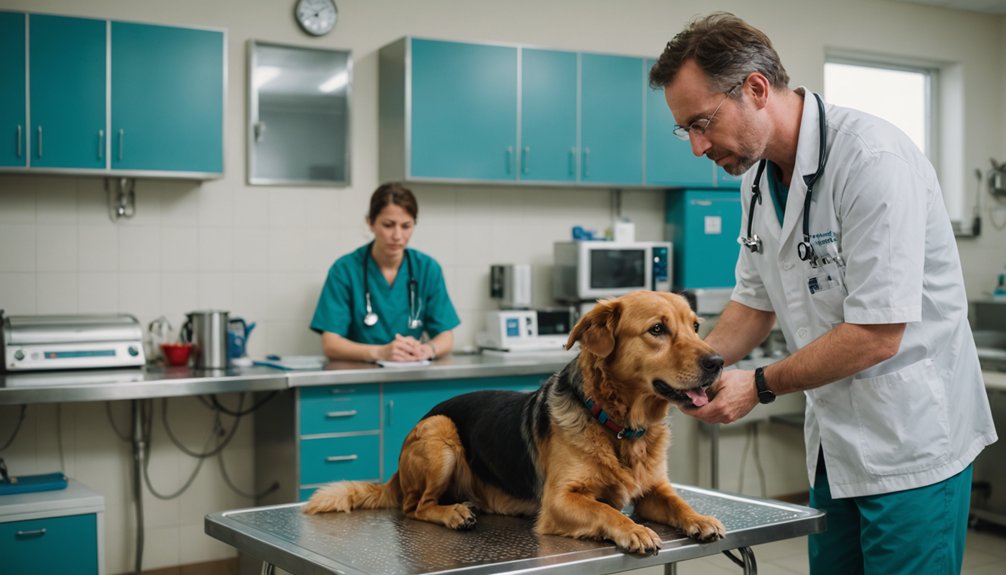
What Counts as Emergency Vet Care Abroad?
When your pet collapses, gasps for air, or shows blue-tinged gums in a foreign country, you’re dealing with a genuine emergency, not a judgment call to make on your own.
Vet emergencies typically include breathing distress, seizures, severe bleeding, fractures, suspected poisoning, and swollen or painful abdomens.
Trauma from accidents, bites, or falls also qualifies, as does repeated vomiting with blood or lethargy, inability to urinate, and extreme disorientation.
If your pet travels internationally, insurers generally define emergency care as unexpected illness or injury requiring immediate treatment.
The test is medical necessity: a licensed vet determines urgent care is needed.
Coverage focuses on accidents and acute illness, not elective procedures. Left untreated, conditions like heatstroke can become fatal, so prompt recognition abroad matters just as much as at home.
Bringing along photos or packaging of any suspected toxin can help vets abroad provide faster triage. Other urgent red flags include eye injuries, since swelling, discharge, or sudden vision loss can signal a true emergency requiring immediate veterinary attention.
Recognizing these signs quickly protects your pet and keeps your claim valid.
What’s Never Covered on an Overseas Vet Claim
Because every policy carries exclusions, you’ll want to know exactly where coverage stops before your pet ever boards a plane.
Overseas claims get denied for predictable reasons, and knowing them keeps your freedom to travel from turning into a financial trap. Pet travel insurance is often considered a necessity for pet owners flying internationally with their animals.
- Pre existing illnesses — Excluded conditions include anything diagnosed before your policy started, plus symptoms that surface during a waiting period. A chronic issue that flares up abroad still traces back home, so it stays excluded. Curable conditions can only be considered for coverage again if they’ve been free of treatment and symptoms for 180 days.
- Routine care — Vaccinations, checkups, grooming, and parasite prevention aren’t emergencies, and insurers won’t treat them in that manner overseas. Some providers, like ASPCA, don’t extend coverage overseas at all, so pet owners relocating internationally often turn to USAA for a reimbursement-style plan instead.
- Paperwork failures — Missing health certificates, incomplete microchipping, or ignoring vet advice before travel can void your claim entirely, regardless of how genuine the emergency is.
US Pet Insurance Plans That Cover Vets Overseas

Since not every US insurer treats “overseas” the same way, you’ll find real differences once you compare policy language instead of marketing copy.
Nationwide leads the pack, covering any licensed vet worldwide—you pay upfront, then get reimbursed in USD.
Embrace offers genuine international coverage for up to six months, ideal if you’re relocating or traveling long-term with your pet, provided they live in the US at least 51% of the year.
Trupanion, Figo, and Pets Best cap their reach at the US, Puerto Rico, and Canada.
Fetch, Healthy Paws, and Pet Partners stop at Canada.
Bivvy, Companion Protect, and MetLife won’t reimburse anything outside US borders. No matter which insurer you choose, claims for illnesses, injuries, or emergency care can typically be submitted online once you return home.
Match your travel plans to the right pet insurance before you need it.
UK Pet Insurers With Built-In Overseas Vet Cover
UK insurers take a different approach: instead of bolting on separate travel policies, they build EU (or worldwide) vet cover directly into standard pet insurance plans.
You don’t buy add-ons—you just travel and stay protected.
- ManyPets: EU cover comes standard; Complete Care opens up worldwide overseas coverage, with vet-fee limits up to £20k and travel sub-limits up to £2,500.
- RSPCA: Lifetime policies include EU vet-fee cover for 90 days per policy year, plus quarantine costs and up to £250 for lost documents.
- Sainsbury’s Bank: Overseas vet fees extend your standard benefit automatically across PETS-listed countries, also capped at 90 days annually. Claims for these overseas vet fees typically require a receipt, pet passport, and (veterinary notes).
Each insurer requires compliance with pet-travel documentation rules—skip that, and your overseas coverage won’t apply, no matter which plan you choose. It’s worth remembering that pet insurance policies can vary significantly in terms of (coverage and limits), so checking the policy documents before you travel is essential.
Travelex and Other Travel-Insurance Pet Add-Ons
Where UK insurers weave overseas vet cover into standard policies, Travelex takes the add-on route, letting you bolt pet protection onto a travel plan rather than a pet plan. You’ll find this pet care upgrade on Ultimate, Advantage, Essential, and Travel Med Go plans, but only for cats and dogs—no rabbits, reptiles, or other companions. New York and Virginia residents can’t add it, and Essential plan holders lose coverage in Costa Rica, Ireland, Jamaica, and Mexico.
| Benefit | Coverage |
|---|---|
| Emergency vet expenses | Up to $2,500 |
| Kennel extension (delay) | Up to $250, 3 days max |
Unlike standalone pet policies, this travel insurance add-on ties your pet’s protection directly to your trip’s terms and destinations.
Which Countries Actually Qualify for Coverage?
Geography, not goodwill, decides whether your claim gets paid.
Before you book that flight, check exactly which countries your policy recognizes—because “international coverage” rarely means everywhere.
1. Sainsbury’s ties coverage to the Pet Travel Scheme (PETS)—EU/EEA states plus select listed territories.
Microchipping, passports, and rabies vaccination are non-negotiable.
2. ManyPets includes EU pet travel cover standard, with Complete Care activating worldwide protection—your best bet for far-flung insurance options.
3. Allianz Ireland stays tight: Ireland, UK, Isle of Man, and Channel Islands only, capped at 30 days per trip.
Your freedom to roam depends on reading the fine print first.
Match your itinerary to your policy’s actual map—not its marketing.
How Long Can You Stay Covered Abroad?
Knowing which countries qualify solves only half the puzzle—you still need to know how long your pet can actually stay there before cover lapses. Policy limits vary sharply by insurer, and missing them creates coverage gaps that leave you paying vet bills solo.
| Insurer | Time Abroad Allowed |
|---|---|
| Direct Line / Tesco | 3 trips, 30 days each |
| More Than | 3 trips, 60 days each |
| ManyPets | 90 days total per year |
Most insurers cap trips at 30–90 days, tied to your booked return date—not open-ended freedom. Overstay that window, and travel cover voids instantly, even mid-policy-term. Animal Friends’ Lifetime tier stretches furthest, allowing six months abroad in PETS-scheme countries. Check your specific per-trip and per-year caps before booking extended travel.
How Vet-Fee Limits Change When You’re Overseas
Once you cross the Channel, your vet-fee limit doesn’t reset—it just travels with you.
Most insurers treat overseas cover as an extension of your domestic plan, not a separate pot.
Your vet fee limits stay identical whether you’re claiming in London or Lisbon, and every euro spent abroad chips away at your annual allowance back home.
That said, some plans complicate things with overseas caps:
- Emergency sub-limits—often capped at £1,000, separate from your main vet-fee ceiling.
- Tier-based caps—Essential plans might cap overseas claims at £500, while Premier tiers stretch to £2,500.
- Trip-versus-year caps—some limits reset per trip, others apply once annually, changing how many trips stay protected.
Know your tier and your terms before you travel.
Filing a Claim for Vet Treatment Abroad
Cash first, paperwork after—that’s the reality of claiming abroad.
You’ll pay the overseas clinic in local currency, then start the claim process once you’re home.
Exchange rates can shift your reimbursement amount, so keep that in mind when budgeting.
Your claim needs a completed claim form, itemized invoice, vet notes, and sometimes your pet’s passport.
Some insurers demand English translations before they’ll process anything.
Check your policy details for the exact submission route—email, post, or vet portal—since methods vary by insurer.
Don’t skip the small stuff: the clinic’s address and phone number on receipts, plus diagnostic notes, strengthen your case.
Submit within any stated deadline, often 12 months, and remember your excess and vet-fee limit still apply.
Which Plan Is Right for Your Trip?
Trip length decides everything here.
Your insurance options should match your actual travel plans, not the other way around.
Good trip planning means checking duration limits before you buy, so you’re never caught with a lapsed policy mid-adventure.
- Short holiday (under 90 days): Sainsbury’s or Allianz Ireland cover quick escapes, but check territory restrictions and per-trip day caps first.
- Medium-term stay (up to 6 months): Acceptance-style accident-and-illness coverage suits sabbaticals and relocations, minus travel disruption perks.
- Frequent traveler: ManyPets Complete Care handles repeated international trips with high vet fee limits, avoiding separate policies for every excursion.
Match your lifestyle to the plan’s actual limits, not its marketing.
Freedom to roam means reading the fine print first.
Frequently Asked Questions
Can You Switch Pet Insurance Providers While Your Pet Is Currently Traveling Abroad?
Yes, you can attempt policy switching abroad, but insurance portability isn’t guaranteed—new insurers require underwriting checks, residency proof, and eligibility verification. You’ll face waiting periods and possible pre-existing condition exclusions, so don’t expect seamless, immediate coverage while traveling.
Does Overseas Vet Care Coverage Affect Your Pet’s Future Domestic Premium Rates?
Yes—if it’s part of your core policy. Overseas vet bills pool with domestic claims, shaping your renewal rates. Choose standalone travel insurance instead, and those expenses stay separate, protecting your premiums while you roam freely.
What Happens if Your Pet Needs Treatment in a Non-Covered Country?
You’ll pay full costs yourself—no pet passports or veterinary tourism plans guarantee reimbursement outside covered territories. Verify country lists first, keep records, and don’t assume freedom to roam means freedom from bills.
Can Multiple Pets on One Policy Claim Overseas Vet Treatment Simultaneously?
Yes—you can file simultaneous international claims for each pet. Most pet policies treat every animal as an individually insured risk, so you’re free to claim per-pet vet-fee limits independently, as long as each pet’s treatment qualifies.
Does Paying Vets in Foreign Currency Affect Reimbursement Processing Time?
Yes, it does. You’ll face foreign exchange conversion checks, rate-date validation, and audit trails insurers require. Currency fluctuations can create rounding variances and prompt extra scrutiny, so expect longer processing than straightforward domestic, single-currency claims.
Conclusion
You don’t have to gamble on vet bills overseas. Check your policy’s territory clause before you fly, confirm the day-limit for trips abroad, and keep every receipt and diagnosis report—you’ll need them for reimbursement. Emergency care usually qualifies; routine visits typically don’t. If your current plan skips international coverage, add a travel rider or switch to an insurer that includes it. Match the plan to your trip length, not just the premium.
References
- https://www.travelexinsurance.com/travel-insurance/traveler/pets
- https://manypets.com/uk/pet-insurance/pet-travel-insurance/
- https://www.pawlicy.com/blog/pet-travel-insurance/
- https://www.imglobal.com/travel-insurance/pet-owners
- https://tailwindglobalpet.com/blog/pet-travel-insurance/
- https://www.youtube.com/watch?v=LSp26d_4ovU
- https://fourleggedguests.com/gear-care/services/best-pet-insurance-for-travel-uk/
- https://money.sainsburys.co.uk/pet-insurance/features/holiday-cover
- https://www.tescoinsurance.com/pet-insurance/guides/taking-pets-abroad/
- https://www.moneysupermarket.com/pet-insurance/pet-travel/