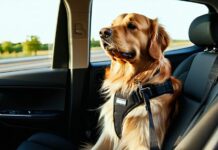
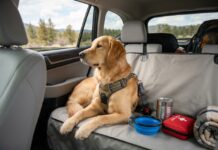
To map emergency vets along a remote route, divide your drive into 50–100 mile segments, then assign a primary and backup 24/7 clinic to each one. Verify true round-the-clock staffing with VECCS or AAHA locators, and confirm details by phone. Download offline maps before you lose signal, and pre-register your pet’s records to cut intake time. Cross-check every clinic against two sources. Below, you’ll find the exact tools and steps that make this work.
TLDR Key Takeaways
- Divide your route into 50–100 mile segments, assigning at least one primary and one backup clinic to each.
- Verify true 24/7 status by distinguishing on-site staffing from on-call arrangements and confirming clinics accept traveling pets.
- Use locator tools like VECCS, AAHA, PetSOS, and Google Maps, cross-checking each clinic against two sources.
- Preload offline maps with apps like Organic Maps or HERE WeGo, then test searches with data turned off.
- Shorten segments through high-risk zones like mountain passes, deserts, or areas with spotty cell coverage.
Why Remote Routes Need an Emergency Vet Plan

When you’re driving through remote country with your pet, you’re trading the safety net of nearby clinics for hours of open road—and that gap can turn manageable problems into fatal ones.
Travel disrupts your pet’s routine, raising the risk of motion sickness, stress colitis, dehydration, and heatstroke, which can become life-threatening within minutes.
Older pets and those with chronic conditions decompensate faster under stress, and remote routes rarely offer 24/7 clinics within 50–100 miles.
Emergency outcomes depend on time to treatment, so every hour of delay matters.
That’s why fellow pet owners plan ahead—scheduling Preventive Checkups before departure and accounting for Seasonal Health risks like regional toxins and extreme temperatures.
When you map emergency access in advance, you’re protecting the companion who trusts you.
Break Your Route Into Vet Coverage Segments
Mapping emergency access starts with breaking your route into manageable pieces instead of treating hundreds of miles as one undifferentiated stretch. Divide your drive into fixed mileage segments—commonly 50–100 miles—so you can assign at least one primary and one backup clinic to each.
Shorten segments through high-risk areas like mountain passes, deserts, or zones with spotty cell coverage, where response times run longer.
Set your Segment Boundary Landmarks at real-world decision points: major junctions, fuel stops, or park entrances. These markers make it easier to remember which clinics cover which stretch.
Use offline route-planning tools and pre-download each segment, including detour roads. Overlay population density to flag service deserts, and use Detour Radius Planning to confirm reachable care from every point along your way.
How Do You Find 24/7 Emergency Vets En Route?
| Verify | Ask | Confirm |
|---|---|---|
| True 24/7 status | On-site vs. on-call vet | In-house bloodwork |
| Full ER vs. after-hours | Accepts travelers? | Imaging available |
| Diversion closures | Species treated | Deposit policies |
Distinguish full emergency hospitals from after-hours-only services. Treat general practices advertising “emergency care” cautiously—many only triage existing clients before referring you elsewhere.
Best Vet Locator Tools and Directories for Travelers

Why rely on guesswork when purpose-built tools can pinpoint clinics along your route?
Start with multi-platform finders like PetSOS, Animal Hospital Search, or Vets & Veterinary Clinics—USA for location-based mapping, distance sorting, and click-to-call listings.
For serious emergencies, lean on the VECCS locator for certified critical-care facilities and the AAHA-accredited hospital tool for higher-standard clinics.
Network locators—VCA, Banfield, ASPCA, and VetLocator.com—help you compare locator accuracy across regions.
Pair these with Google Maps and Yelp to verify clinic hours and use review credibility before you commit.
Crowdsource real-world tips from Nextdoor and community boards, where fellow travelers share trusted recommendations.
Always cross check phone numbers between apps and clinic sites, since remote listings drift.
Together, these directories keep you confident, connected, and prepared.
Download Offline Maps Before You Lose Signal
When the signal drops on a remote highway, offline maps keep your turn-by-turn guidance alive—routing you to emergency vet clinics where live data can’t reach. You’ll want full coverage of your entire route, so searches for “veterinarian” or “animal hospital” still work without connectivity.
Start with WiFi predownload before departure: open Google Maps, MAPS.ME, Organic Maps, Magic Earth, or HERE WeGo, then download the regions matching your driving corridor. These packages can run several gigabytes, so practice smart storage management—free up space or move maps to an SD card on Android 6.0+.
Once you’re done, test it: turn off data, search a known clinic, and confirm routing works. We’ve all been stranded—prepare now, and you’ll never navigate blind.
What Reviews and Forums Reveal About Emergency Vets
Before you trust a clinic’s “24/7” label, dig into its reviews and forum threads—they reveal what marketing won’t.
Fellow pet owners share hard-won truths that help you plan smarter and feel less alone on a remote route.
- Triage Waiting: Stable cases often wait 4–8+ hours while critical patients go first—it’s protocol, not neglect.
- Cost Surprise: Expect deposits, four-figure bills, and non-refundable exam fees, even if they refer you elsewhere.
- Coverage gaps: Some “emergency” clinics close overnight or restrict walk-ins, leaving holes along your path.
- Access hurdles: Phone triage and curbside check-ins mean you’ll call ahead, not stroll in.
- Quality signals: Reviewers praise board-certified specialists, advanced imaging, and clear, itemized estimates—your strongest trust builders.
Ask Your Home Vet for a Route Referral List

Because your home vet knows your pet’s history better than any stranger on the road, they’re your best resource for building a route referral list before you leave.
Ask for route specific referrals: a written list of emergency clinics mapped along your corridor—towns, highway numbers, and major junctions—rather than one default ER.
Request distances between waypoints and the nearest 24/7 facilities, and have your team flag “no-services” gaps longer than 100–150 miles so you can plan overnight stops near care.
Insist on clinic service tiers: a primary recommended ER, a backup, and extended-hours general practices.
Many vets belong to regional referral networks, so ask them to pull from corporate lists and specialty access points.
Finally, have them store the plan in your pet’s record.
Is It a True 24/7 Hospital or Just On-Call?
Why does the difference between a true 24/7 hospital and an on-call clinic matter so much on a remote route? Because when you’re hours from help, you can’t afford delays.
A true 24/7 hospital keeps veterinarians, technicians, and support staff on-site at all times, so your pet gets immediate on site triage and continuous monitoring.
An on-call clinic relies on a vet leaving home—creating dangerous gaps before any exam begins.
Here’s how to verify the difference:
- Stated hours read “24/7/365,” not “extended” or “after-hours available”
- Call routing connects you to reception or triage, not voicemail
- Website language promises “doctor present 24 hours a day”
- Signage says “24 Hour Emergency”
- Services include ICU monitoring and emergency surgery anytime
Questions to Ask When You Call a Clinic
Once you’ve confirmed a clinic stays staffed around the clock, your next call needs to extract the right information fast. Ask whether they’re accepting new emergencies and what wait times look like for stable versus critical cases.
Confirm their triage process—how they prioritize arrivals and whether your pet might wait in the car. Verify they treat your species and handle your specific case type, plus whether specialists are on-site or on-call.
Nail down their payment policy: exam fees, deposits, accepted methods, and any financing or charitable funds. Share symptoms, onset, and known toxins now, and ask if records should arrive ahead.
Finally, request directions, after-hours entry details, check-in steps, and at-home first aid. You’re not alone—good clinics expect these questions and welcome prepared callers.
Build Your Segmented Emergency Vet List

Since a single missed gap can leave you hours from help, you need to convert your route into a structured emergency vet list rather than a loose collection of phone numbers.
Start by dividing your route into fixed-distance segments and assigning each one a 24/7 ER hospital plus one or two backups.
Then standardize how you record every clinic so you and your travel companions can trust the data.
- Add segment identifiers like “Segment 3: Mile 210–310, I-40” to align with your driving plan.
- Use consistent contact templates: name, address, GPS, phone, hours, type.
- Verify clinic spacing so no stretch exceeds your maximum distance from care.
- Flag uncovered gaps for emergency routing diversions.
- Cross-check each entry against two sources.
Pre-Register and Pack a Pet Records Kit
Preparation turns a frantic ER arrival into a fast, coordinated handoff. Pre-register digitally with destination and en-route clinics—many cut intake time by 12–25 minutes when your pet’s records, photo, and history are already on file.
Upload vaccination history, chronic conditions, medications, allergies, and microchip number through client portals, then call to confirm everything’s linked correctly.
Pack a physical kit too: printed vaccination certificates, a one-page medical summary, a recent color photo, microchip details, and laminated carrier cards for solid Pet ID prep when phones fail.
Build redundant Digital access with scanned PDFs in cloud drives, offline downloads for dead zones, clear file names, and shared links for travel companions. Together, these steps connect you to a community of clinics ready to help.
Keep Vet Info Within Reach on the Road
With your records kit packed, you’ll want that information instantly accessible when seconds matter. Fellow road-tripping pet owners know that during a crisis, fumbling through apps wastes precious time.
Build redundancy so clinic details stay within reach whether your battery dies, signal drops, or devices fail.
- Save a short “ICE – Vet” contact with your primary 24/7 clinic and regional backups.
- Download offline map areas and pin clinics as favorites grouped by trip segment.
- Keep an offline clinic list and PDF on a secondary phone or tablet.
- Mount a print-ready emergency card on the sun visor for roadside visibility.
- Color-code clinics—green for 24/7, yellow for out-of-hours—for fast decisions.
These layered safeguards ensure you’re never stranded without lifesaving guidance.
Frequently Asked Questions
How Much Does Emergency Vet Care Typically Cost While Traveling?
You’ll typically spend $800–$1,500 for emergency billing, though serious cases reach $5,000+. Average costs include exams ($100–$250), bloodwork, and imaging. Budget extra for roadside triage and after-hours surcharges, so you’re never caught unprepared on remote routes.
Does Pet Insurance Cover Out-Of-State Emergency Treatment?
Yes, your policy covers out-of-state emergencies at any licensed vet. Like fellow travelers, you’ll follow the standard claims process—pay upfront, submit itemized records. Coverage limits differ, policy exclusions vary, and pre-authorization required for some treatments.
What First-Aid Supplies Should I Pack for Road Emergencies?
Pack Travel Firstaid essentials covering Canine Basics: sterile gauze, non-stick dressings, saline, antiseptic wipes, trauma shears, a SAM splint, triangular bandages, gloves, a thermometer, and a soft muzzle. You’ll be ready to protect your fellow road-tripping companions.
Can I Cross State Lines With My Pet’s Medications?
Yes, you can cross state lines with your pet’s medications. Medication legality favors original labeled containers and prescriptions. Most states honor pharmacy requirements from elsewhere, though controlled substances need extra care. We’ll handle it—travel confidently together.
What Should I Do if No Clinic Is Reachable in Time?
Stay calm and call local tele-triage or a poison helpline immediately—they’ll guide you through stabilization. Monitor symptoms using concrete data like breathing and gum color, and locate alternatives like nearby rural or mixed-animal practices together.
Conclusion
You’ve now got everything you need to travel confidently through remote stretches. Break your route into coverage segments, verify 24/7 clinics with a phone call, and download offline maps before signal drops. Keep your pet records kit packed and your segmented vet list within easy reach. Preparation isn’t optional when veterinary help is hours away—it’s the difference between a manageable scare and a tragedy. Map your emergency vet access before you hit the road.
References
- https://www.alibaba.com/product-insights/how-to-locate-pet-friendly-emergency-vets-while-road-tripping-across-the-american-southwest.html
- https://www.24hourvetfinder.com
- https://emergencyvet247.com
- https://www.vetstreet.com/our-pet-experts/how-to-find-a-reputable-vet-when-youre-on-the-road
- https://www.vets-now.com/find-an-emergency-vet/
- https://www.medvet.com/location/diley-hill/
- https://www.emergencyvet.com.au
- https://urgentvet.com/locations/
- https://www.drivingparkanimalhospital.com
- https://www.veg.com/locations/ohio/easton