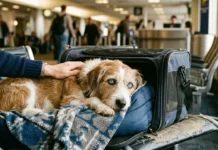
You found a $49 fare and pictured your pup snoozing under the seat in front of you — then you hit the airline’s pet policy page and it says nothing about dogs at all, or worse, “pets are not accepted on any flight.” That moment of confusion is exactly why so many pet owners end up rebooking at the gate, paying last-minute fees, or leaving their dog behind entirely.
- Southwest, Spirit, Frontier, and Sun Country allow small dogs in the cabin for a fee, usually $95–$125 one way.
- Allegiant Air does not allow pets at all, except trained service animals — this trips up more travelers than any other policy on this list.
- None of the major U.S. budget carriers offer cargo/checked pet transport — cabin-only, carrier-required, no exceptions.
- European ultra-low-cost carriers like Ryanair, Wizz Air, and easyJet generally do not allow pets in the cabin at all, service animals excluded.
- Weight and carrier-size limits vary by airline, so a dog that flies free on one carrier may be turned away at check-in on another.
- Always confirm the current pet policy directly on the airline’s website before booking — policies change more often than fare sales do.
Why Budget Airlines Are Confusing for Pet Owners
Low-cost carriers keep fares cheap by cutting extras: fewer amenities, tighter baggage rules, and — often — stricter or nonexistent pet policies. Full-service airlines like Delta, United, and American have dedicated pet cargo and PetSafe-style programs.
Budget airlines rarely do. Most low-cost carriers only allow pets small enough to fit in an under-seat carrier, and a handful don’t allow pets at all, period, aside from documented service animals.
That distinction matters because “budget airline” doesn’t mean one consistent rulebook. (see: airline rules and travel options) Southwest and Allegiant are both considered low-cost U.S. carriers, but one welcomes small dogs in the cabin and the other bans pets outright. Knowing the difference before you book saves you money, stress, and a scramble at the airport.
Which U.S. Budget Airlines Allow Dogs (and Which Don’t)
Here’s how the most commonly booked low-cost and ultra-low-cost U.S. carriers compare. Fees and specific size limits can change, so treat these as a starting point and verify directly with the airline before you fly.
| Airline | Dogs Allowed? | Cabin or Cargo | Typical Fee | Notes |
|---|---|---|---|---|
| Southwest Airlines | Yes | Cabin only | Roughly $95–$125 one way | Small dogs/cats in an approved carrier that fits under the seat; limited number of pet spots per flight |
| Spirit Airlines | Yes | Cabin only | Roughly $100–$125 one way | Carrier must fit under the seat; fee often rises if booked at the airport instead of online |
| Frontier Airlines | Yes | Cabin only | Roughly $95–$125 one way | One pet carrier per passenger, must remain closed and stowed for the full flight |
| Sun Country Airlines | Yes | Cabin only | Similar range to above | Small pets only; limited pet capacity per aircraft |
| Allegiant Air | No pets (service animals only) | N/A | N/A | This is the biggest surprise for travelers — Allegiant does not transport pets in the cabin or as cargo |
| JetBlue | Yes (semi low-cost) | Cabin only | Comparable fee range | Not a true ultra-low-cost carrier, but frequently cross-shopped with budget fares; has its own pet loyalty perks |
Notice a pattern? Every carrier that does allow dogs restricts them to the cabin, in a carrier, under the seat in front of you. None of these airlines offer a checked-baggage or cargo-hold option for pets the way legacy carriers sometimes do.
If your dog doesn’t fit comfortably in a soft-sided carrier under an airplane seat, a low-cost carrier probably isn’t going to work for that trip regardless of the fare.
European and International Budget Airlines: A Different Story
If you’re comparing low-cost carriers outside the U.S., the picture shifts even further away from pet-friendly. Major European ultra-low-cost airlines — Ryanair, easyJet, and Wizz Air among them — generally do not allow pets in the cabin at all, with the exception of trained assistance animals traveling with a passenger who has a documented disability.
This is a stricter stance than most U.S. budget carriers take, and it catches a lot of travelers off guard when they’re used to Southwest-style rules.
Some regional and leisure carriers in Europe are more flexible on a route-by-route basis, but availability is inconsistent and often tied to specific national regulations rather than a blanket airline-wide policy.
If you’re planning international travel with a dog, the safest approach is to contact the airline directly, ask specifically about pet policy for the exact route and aircraft type, and get the answer in writing (an email confirmation, not just a phone call) before you book anything nonrefundable.
What “Cabin-Only” Really Means for Your Dog
Because every budget carrier that allows dogs restricts them to the cabin, it’s worth understanding what that actually requires:
- Size and weight limits. Your dog, combined with the carrier, generally needs to fit comfortably under the seat in front of you. That usually caps out around 20 pounds total for the pet, though exact limits vary by airline and even by aircraft type.
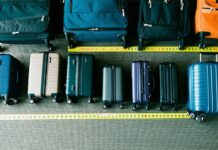
- Carrier dimensions. Airlines publish maximum carrier dimensions (length, width, height). A carrier that’s approved on Southwest may be too tall for Frontier’s underseat clearance. Measure your specific carrier and check it against the current chart on the airline’s website. (see: measure your carrier’s exact dimensions)
- One pet per carrier, one carrier per passenger. You generally can’t put two dogs in one carrier to save on fees, even if they’re small.
- The carrier must stay closed and stowed. Your dog can’t sit in your lap, walk in the aisle, or poke its head out during taxi, takeoff, or landing.
- Limited pet capacity per flight. Most budget airlines cap the number of pets allowed per flight — often somewhere in the single digits — so booking your pet’s spot early matters as much as booking your own seat.
Costs to Budget For
The advertised base fare is rarely the full story once you add a dog to the booking. Here’s what typically factors into the real cost:
- Pet fee: Usually charged one way, meaning a round trip effectively doubles it.
- Airport vs. online booking fee difference: Several budget carriers charge more if you add your pet at the airport counter instead of during online booking — sometimes significantly more.
- Carrier purchase: If you don’t already own an airline-approved carrier, budget for a soft-sided one that meets underseat dimensions.
- Health documentation: Some airlines and destinations require an up-to-date health certificate from your veterinarian, particularly for interstate or international travel.
- Potential rebooking costs: If your dog doesn’t meet size requirements and you’re turned away at the gate, you may need to rebook a later flight or arrange alternate transport on short notice — which is almost always more expensive than planning ahead.
Common Mistakes Pet Owners Make With Budget Airlines
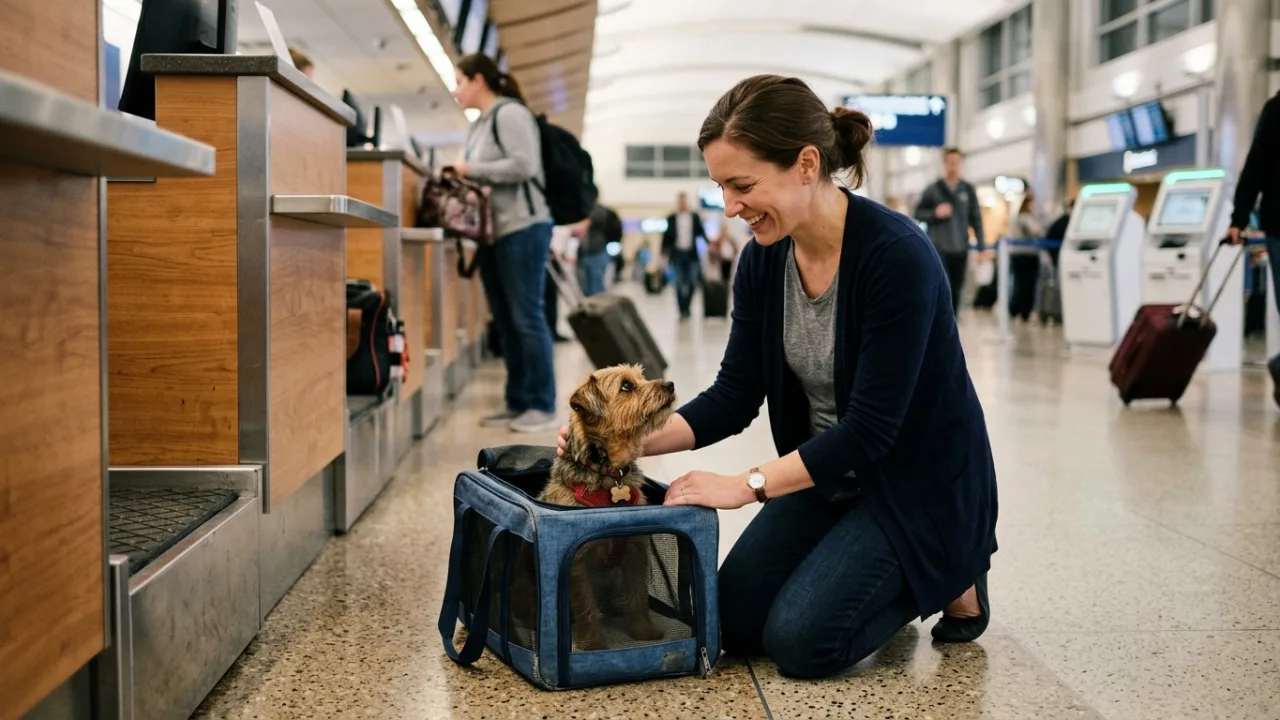
1. Assuming All “Cheap Flights” Have the Same Pet Rules
Booking sites often group low-cost carriers together in search results, but their pet policies range from welcoming to nonexistent. Never assume — check the specific airline’s pet page every time, even if you’ve flown a different budget carrier with your dog before.
2. Booking Allegiant Without Checking the Pet Policy First
This is one of the most common and costly mistakes. Because Allegiant markets itself similarly to Southwest and Frontier, travelers sometimes book flights before realizing pets other than service animals aren’t permitted at all — no exceptions, no fee that unlocks it.
3. Guessing at Carrier Size Instead of Measuring
A carrier that easily fit under the seat on one airline can be rejected by another due to different aircraft seat configurations. Measure your carrier’s exact external dimensions and compare them to the airline’s published limits before travel day, not at the gate.
4. Forgetting There’s No Cargo Option
Travelers with medium or large dogs sometimes assume they can check their pet like luggage on a budget airline the way some full-service carriers allow. Low-cost airlines typically don’t offer this at all, so a dog too large for an underseat carrier simply can’t fly with that airline, full stop.
5. Waiting Until the Last Minute to Reserve a Pet Spot
Because pet capacity per flight is limited, waiting to add your dog to the booking can mean the flight fills its pet quota before you finish researching. Add your pet to the reservation as soon as you book your own seat.
Budget Airlines That Allow Dogs: Quick Pros and Cons
Pros of Flying a Dog on a Budget Airline
- Lower overall ticket cost compared to full-service airlines, even after adding the pet fee
- Your dog stays with you in the cabin rather than in a separate cargo hold
- Straightforward, published pet policies on airlines that do allow pets — no guesswork about eligibility
- Often more frequent short-haul routes, useful for regional trips with a pet in tow
Cons of Flying a Dog on a Budget Airline
- Size restrictions rule out most medium and large dogs entirely
- No cargo option means no fallback if your dog doesn’t meet cabin requirements
- Limited pet capacity per flight can sell out the pet allotment before you book
- Some carriers (Allegiant, most European ultra-low-cost airlines) don’t allow pets at all
- Extra fees, especially if added at the airport instead of online, can erase the fare savings
What to Do If Your Dog Doesn’t Qualify for a Budget Airline
If your dog is too large for an underseat carrier, or you’re flying a route on a carrier that bans pets outright, you still have options:
- Fly a full-service airline instead. Legacy carriers sometimes offer both in-cabin small-pet policies and, in limited cases, cargo transport for larger pets — though cargo pet travel comes with its own risks and should be researched thoroughly and discussed with your veterinarian first.
- Consider a pet relocation or ground transport service. Specialized pet transport companies handle larger dogs via climate-controlled ground vehicles, which can be a safer alternative to cargo flights for anxious or large dogs.
- Look into direct, nonstop routes. Fewer layovers mean less handling and stress for your dog regardless of which airline you choose.
- Ask your vet about travel readiness. Before any flight, a vet visit can confirm your dog is healthy enough to travel and help you get any required documentation in order.
How to Prepare Your Dog for a Budget Airline Flight
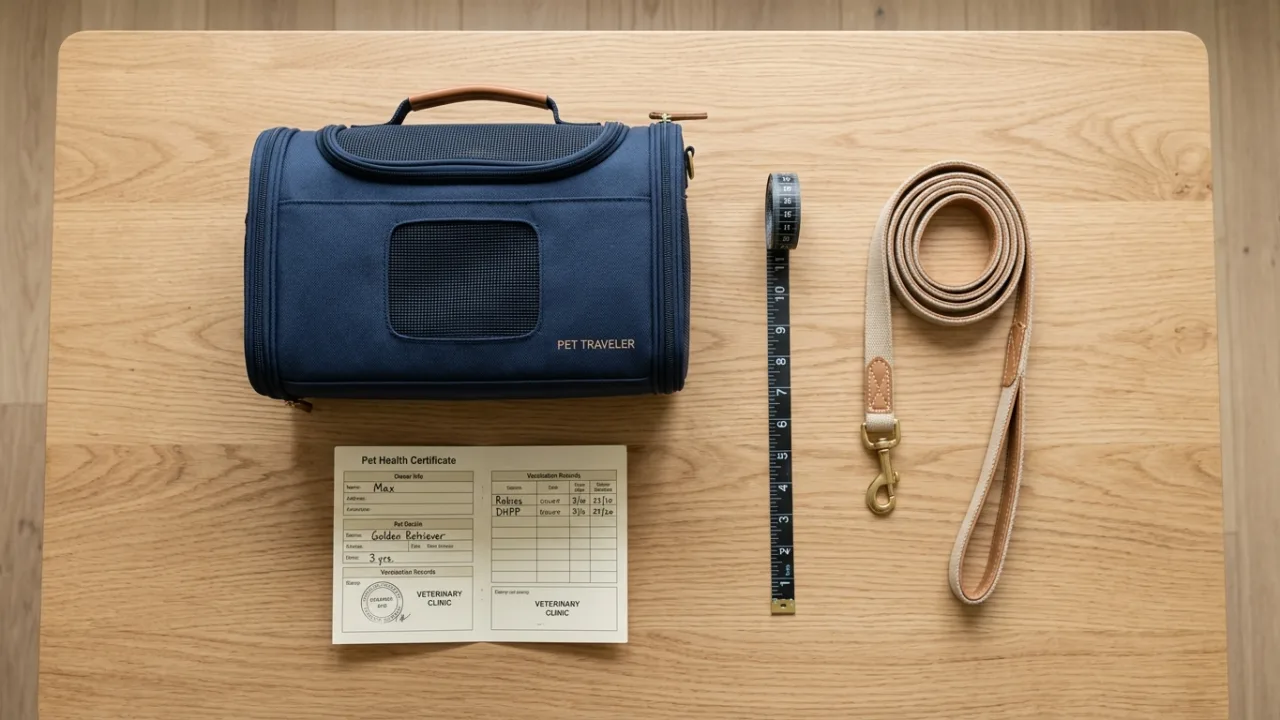
- Get your dog comfortable in the carrier weeks in advance. Practice short car rides or home sessions so the carrier feels familiar, not stressful, on travel day.
- Confirm the exact pet policy for your specific flight. Call the airline or check its website within a few days of departure, since seasonal or route-specific rules can shift.
- Add the pet fee to your reservation early. Don’t rely on being able to add it at the gate — spots can be limited and walk-up fees are often higher.
- Pack a leak-proof pad and a small water source. Layovers and delays happen; a little preparation goes a long way.
- Arrive early. Pet check-in sometimes requires extra verification of carrier size and documentation, and you don’t want to be rushing through that process.
- Skip the sedatives unless your vet specifically recommends them. (see: why sedation is risky) Many veterinarians advise against sedating dogs for air travel because it can affect breathing and temperature regulation at altitude.
Expert Insight: Why Policies Change So Often
Airline pet policies aren’t static, and that’s not an accident. Budget carriers frequently adjust seating configurations, add new aircraft types, or revise fee structures to stay competitive — and pet policy details often get updated along with those changes.
A policy that was accurate last year, or even last month, might not reflect what you’ll encounter at check-in today. The single most reliable habit any pet owner can build is checking the airline’s official pet policy page shortly before booking and again a few days before departure, rather than relying on older articles, forum posts, or even this guide as the final word.
Quick Reference: Questions to Ask Before You Book
- Does this airline allow pets in the cabin, and is my dog’s size within their current limit?
- What are the exact maximum carrier dimensions for this specific route or aircraft?
- Is there a cap on the number of pets allowed per flight, and has that cap already been reached?
- Is the pet fee cheaper if I add it online now versus at the airport later?
- Does my destination require any additional documentation, such as a health certificate?
Conclusion

Flying with your dog on a budget airline absolutely can work — Southwest, Spirit, Frontier, and Sun Country all welcome small dogs in the cabin for a reasonable fee. But “budget airline” isn’t a guarantee of pet-friendliness.
Allegiant doesn’t allow pets at all, and most European ultra-low-cost carriers hold the same strict line. The fare that looks like the best deal on a search engine might not be an option for your dog once you check the fine print.
The fix is simple, even if it takes a few extra minutes: check the specific airline’s current pet policy, measure your carrier against their published limits, and book your pet’s spot at the same time you book your own seat. That small bit of homework is the difference between a smooth trip with your dog curled up under the seat and a stressful surprise at the gate.
Have you flown a low-cost carrier with your dog recently? Airline pet policies shift often, so if you’ve noticed a change from what’s listed here, it’s always worth double-checking directly with the airline before your next booking.
Frequently Asked Questions
Which budget airlines allow dogs in the cabin?
Southwest, Spirit, Frontier, and Sun Country all currently allow small dogs in the cabin in an approved carrier for a fee, typically charged one way. JetBlue, while not a pure ultra-low-cost carrier, also allows small pets in the cabin. Always confirm current details on the airline’s website before booking, since policies and fees can change.
Does Allegiant Air allow dogs?
No. Allegiant Air does not allow pets in the cabin or as cargo, with the exception of trained service animals traveling with a passenger who has a documented disability. This surprises many travelers because Allegiant is often grouped with other pet-friendly budget carriers in search results.
Can I check my dog as luggage on a low-cost airline?
Generally, no. Most budget and ultra-low-cost airlines only allow pets to travel in the cabin inside an approved carrier that fits under the seat. They typically don’t offer a cargo or checked-baggage option for pets, so dogs too large for an underseat carrier usually cannot fly with these airlines at all.
Do European budget airlines like Ryanair or easyJet allow dogs?
Typically no. Major European ultra-low-cost carriers such as Ryanair, easyJet, and Wizz Air generally do not permit pets in the cabin, aside from trained service animals accompanying a passenger with a documented disability. If you’re planning to fly a dog internationally, contact the airline directly and get written confirmation of the current policy before booking.
How much does it cost to fly a dog on a budget airline?
Fees on U.S. budget carriers that allow pets typically fall in the range of roughly $95 to $125 one way, though exact amounts vary by airline and may be higher if added at the airport instead of during online booking. Round-trip travel usually means paying the fee both ways.
What size dog can fly in the cabin on a budget airline?
Your dog and its carrier combined generally need to fit under the seat in front of you, which usually limits eligible pets to roughly 20 pounds or less depending on the airline’s specific carrier dimension limits. Because these limits vary by airline and aircraft type, always check the current maximum carrier dimensions before booking.
Is it safer to fly a dog in cabin or cargo?
Most budget airlines don’t offer a cargo option at all, so the comparison mainly applies to full-service airlines. In general, keeping a dog in the cabin with you allows for closer monitoring and less separation stress, while cargo travel involves additional risks tied to temperature and handling. Discuss any air travel plans with your veterinarian, especially for pets with health concerns.
Can I book a pet spot at the airport instead of online?
Some budget airlines allow adding a pet at the airport, but it often costs more than adding it during online booking, and pet capacity per flight is limited. Booking your pet’s spot online as soon as you reserve your own seat is the safer and usually cheaper approach.