TLDR
Business class does not automatically make flying easier or safer for your dog. If your dog flies in the cargo hold, cabin class makes zero difference — every passenger’s checked pet shares the same hold, temperature control, and handling process regardless of what seat you bought up front. If your dog flies in the cabin with you, business class can offer a few real perks (quieter surroundings, priority boarding, sometimes more floor space), but many airlines actually restrict in-cabin pets to economy or main cabin only and ban them from premium cabins altogether. The upgrade that helps your dog most usually isn’t the seat class — it’s choosing the right flight time, the right carrier, and the right prep routine.
The Short Answer: It’s Complicated (But Mostly No)
If you’ve ever booked a flight with your dog, you’ve probably wondered whether paying extra for business class buys your pet a smoother ride. It’s a reasonable question — after all, a bigger seat and a quieter cabin sound like they’d reduce stress for both of you. But the honest answer is that cabin class matters a lot less than you’d think, and in some cases, it doesn’t matter at all.
The real dividing line isn’t business versus economy. It’s in-cabin versus cargo hold. That single distinction determines almost everything about your dog’s flying experience — temperature, noise, handling, and stress level. Cabin class sits on top of that distinction and only tweaks the edges.
How Airlines Actually Handle Pets, Regardless of Cabin Class
In-Cabin Pets: Same Rules, Different Seats
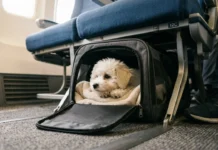
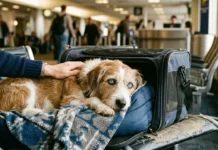
Small dogs that meet weight and carrier-size requirements typically travel in an approved carrier that fits under the seat in front of you. This rule applies no matter which cabin you’re sitting in — your dog still needs to fit under the seat, stay in the carrier for the entire flight (see: carry-on essentials for in-cabin pets), and follow the same in-flight etiquette (no barking, no peeking out, no walking the aisle).
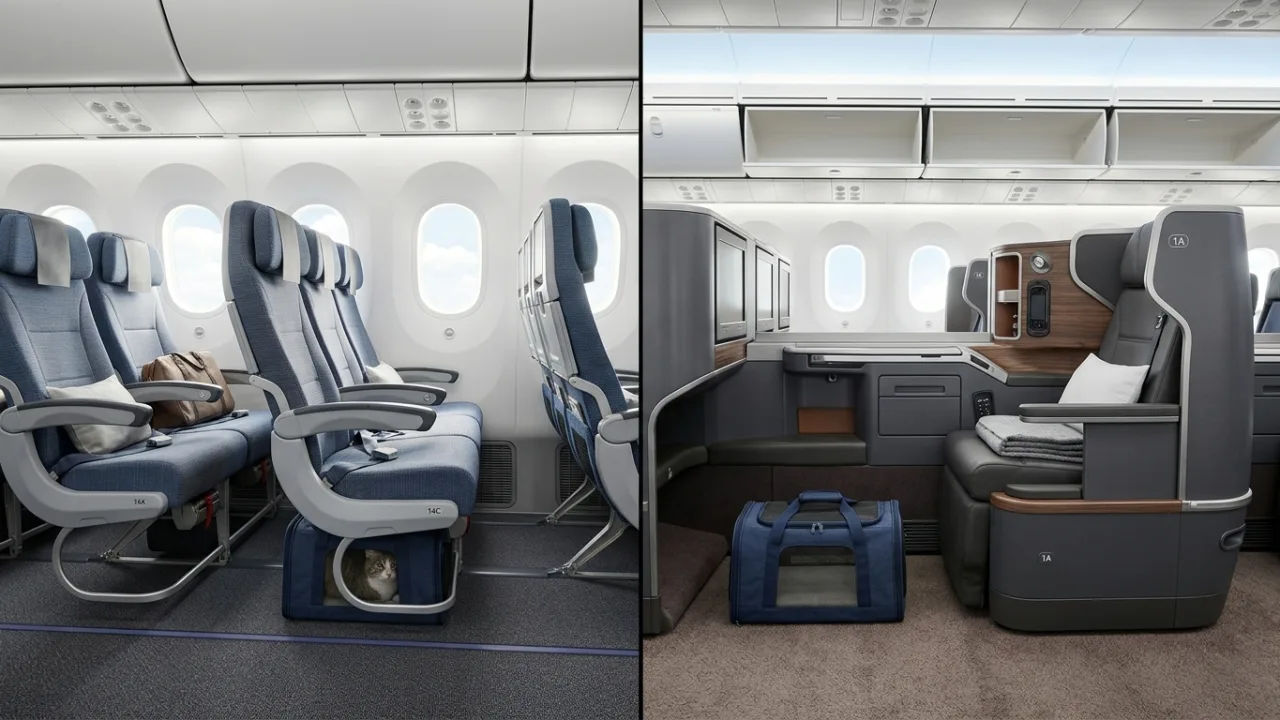
Here’s the part many pet owners don’t expect: a good number of major airlines only permit in-cabin pets in economy or main cabin and explicitly prohibit them in first or business class. This isn’t a random inconvenience — it usually comes down to seat design.
Premium cabins often have larger entertainment consoles, extended footwells, or lie-flat seat mechanisms that leave little or no usable space underneath for a carrier. Some airlines also limit the total number of pets allowed per cabin, and that allowance is sometimes reserved for economy sections only.
The takeaway: before you pay a premium fare hoping it’ll be better for your pet, call the airline directly and confirm pets are even permitted in that cabin. Assuming otherwise is one of the most common — and expensive — mistakes pet owners make.
Cargo Hold Pets: One Hold for Everyone
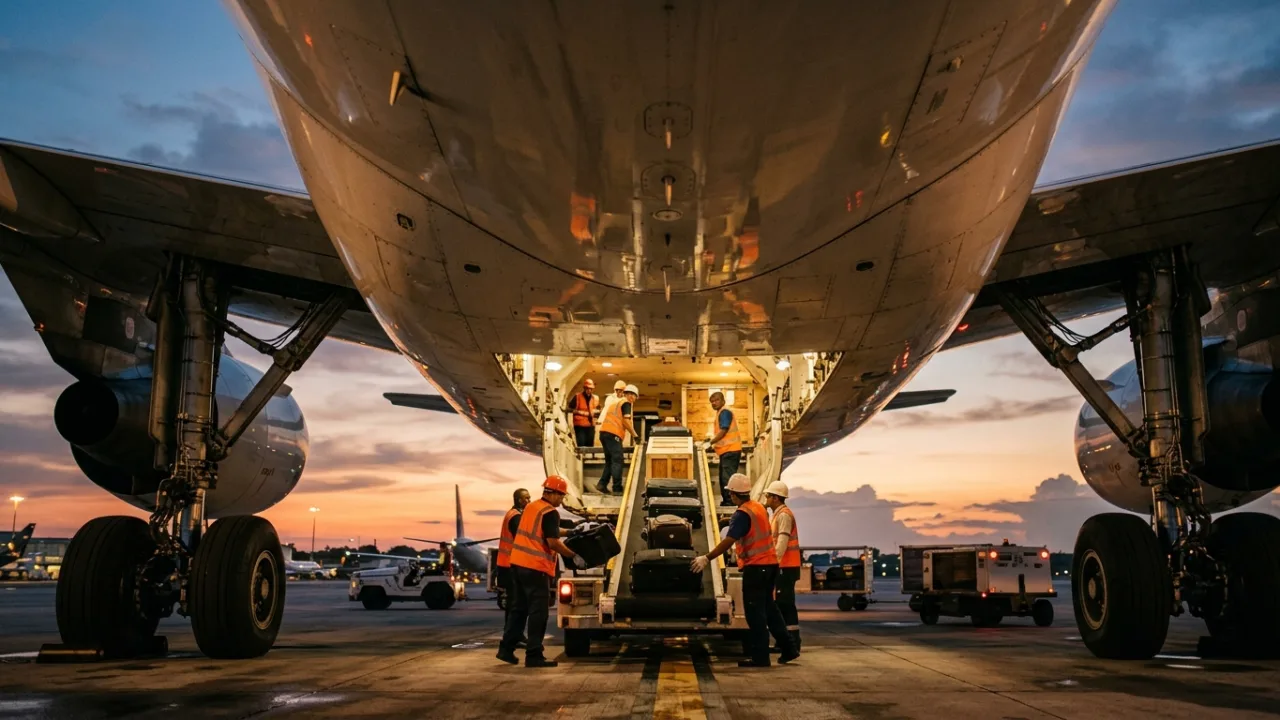
If your dog is too large to fly in the cabin, they’ll travel as checked baggage or as manifest cargo in the hold beneath the plane. This is where cabin class becomes completely irrelevant. There’s only one cargo hold on the aircraft, and it’s shared by every checked pet on that flight — whether the humans upstairs are sipping champagne in business class or squeezed into a middle seat in the back.
The hold is pressurized and temperature-controlled independently of which ticket class passengers purchased. (see: how cargo holds affect your dog) Your dog’s crate placement, the climate inside the hold, and the ground crew handling procedures don’t change based on your seat. Paying more for your own seat does nothing to upgrade your dog’s actual travel conditions in this scenario.
Where Cabin Class Actually Makes a Difference
It’s not all a wash. There are a handful of areas where flying business class can genuinely help — mostly for in-cabin pets, and mostly in small, indirect ways.
More Space Under the Seat (When It’s Allowed)
On aircraft where pets are permitted in business class, the footwell can sometimes be roomier than economy, giving your dog’s carrier a bit more breathing room. This isn’t universal — some premium seats have less underfoot space due to storage bins or seat mechanisms — so it varies by aircraft type, not just by cabin name.
Priority Boarding and Deplaning
Business class passengers usually board first and deplane first. For a nervous dog, this can mean less time sitting in a stressful, crowded jet bridge and fewer people brushing past the carrier during boarding. Getting off the plane quickly also shortens the total time your dog spends confined in an unfamiliar, noisy space.
A Quieter, Calmer Cabin
Premium cabins tend to have fewer passengers per row, less overhead bin traffic, and generally a calmer atmosphere. For dogs that are sound-sensitive or easily startled by movement, this lower-stimulation environment can genuinely reduce anxiety compared to a full, noisy economy section.
Lounge Access Before the Flight
If your business fare includes lounge access, you may have a quieter, less crowded space to let your dog settle before boarding — assuming the lounge allows pets. This pre-flight calm can matter more than people realize, since a stressed dog before boarding often stays stressed once in the air.
Fewer Passengers, Less Chaos
Smaller premium cabins simply mean fewer people around your dog’s carrier for the entire flight, which can lower the odds of your dog being startled, stepped near, or fussed over by curious strangers.
Where Cabin Class Makes No Difference At All
Temperature and Pressurization
Cabin temperature and pressurization are aircraft-wide systems, not cabin-specific. Your dog isn’t warmer or cooler because you’re sitting in a bigger seat.
Cargo Hold Placement and Handling
As covered above, cargo hold pets get identical treatment no matter the ticket class of their owner.
Airline Pet Fees
Pet fees are typically flat, charged per pet per direction, and don’t scale with your fare class. You won’t get a cheaper — or more expensive — pet fee by flying business instead of economy.
Flight Duration and Turbulence
Weather, altitude, and flight length affect every seat and every part of the aircraft equally. Business class doesn’t buy your dog a smoother ride through turbulence.
Business vs Economy for Pets: Quick Comparison
| Factor | Economy | Business Class | Cargo Hold (Either Class) |
|---|---|---|---|
| Pet allowed in cabin | Usually yes (size limits apply) | Often restricted or banned — always confirm | N/A, travels below deck |
| Under-seat space | Standard, consistent | Varies — sometimes more, sometimes less | N/A |
| Boarding order | Later, often crowded | Priority, less rushed | No effect |
| Cabin noise level | Higher, more passengers | Lower, fewer passengers | No effect |
| Temperature/pressurization | Same as rest of aircraft | Same as rest of aircraft | Independently controlled, same for all pets |
| Pet fee | Flat rate | Same flat rate (if allowed at all) | Typically higher, flat rate |
| Cost premium | Lower fare | Significantly higher fare | Fare class irrelevant |
Airlines That Restrict Pets from Premium Cabins
Policies vary by airline and even by aircraft type, and they do change over time, so this is an area where you should always verify directly with your specific airline before booking. What’s fairly consistent across the industry is this pattern: many carriers cap the total number of in-cabin pets per flight and reserve that allowance for economy or main cabin seating.
Some go further and explicitly state pets aren’t permitted in first or business class at all, often citing space constraints around premium seat consoles and footwells.
Before you pay extra for a better seat hoping it will include your dog, get it in writing — an email confirmation or a note on your booking — so you’re not caught off guard at the gate. Airlines can and do deny boarding to pets in cabins where they’re not permitted, and that’s a stressful, costly surprise to discover at check-in.
Is Paying More for Business Class Worth It for Your Dog?
When the Upgrade Genuinely Helps
- Your dog is anxious around crowds or loud environments, and a quieter cabin would meaningfully reduce their stress.
- You’ve confirmed pets are allowed in that specific business cabin and there’s verified extra footwell space.
- You have lounge access and the lounge welcomes pets, giving your dog a calmer pre-flight window.
- Priority boarding and deplaning would substantially shorten the time your dog spends in high-traffic areas.
- Budget isn’t a limiting factor, and the added comfort for you also indirectly benefits your dog through your own calmer handling.
When You’re Better Off Saving the Money
- Your dog is flying in the cargo hold — the seat class buys your dog nothing.
- The airline doesn’t permit pets in business or first class on your route.
- Your dog is generally a calm, seasoned traveler who does fine in economy.
- The price difference is significant and could be better spent on a higher-quality airline-approved carrier, a pre-flight vet visit, or a direct nonstop flight instead of connections.
Common Mistakes Pet Owners Make When Comparing Cabin Classes
- Assuming premium always means pet-friendly. Some premium cabins are actually less accommodating for pets than economy due to seat design or airline policy.
- Not confirming pet policy before booking the upgrade. Fare rules can be nonrefundable, so verify pet eligibility for that exact cabin and aircraft type first.
- Overlooking layovers and connection times. A cheaper economy nonstop is almost always better for your dog than a pricier business class itinerary with a tight connection.
- Believing cabin class affects cargo hold conditions. It doesn’t — the hold is identical for every checked pet on the flight regardless of who’s sitting where.
- Forgetting to check total pet capacity per cabin. Even if pets are technically allowed, airlines often cap the number permitted per flight or per cabin, and that limit fills up fast.
- Skipping direct confirmation with the airline. Website policies aren’t always current or aircraft-specific; a phone call before booking saves headaches later.
Practical Tips for a Calmer Flight, In Any Cabin
- Book direct flights whenever possible. Reducing total travel time and eliminating connections does more for your dog’s comfort than upgrading a seat.
- Choose off-peak flights. Quieter departure times mean less airport chaos and a calmer boarding process, regardless of cabin.
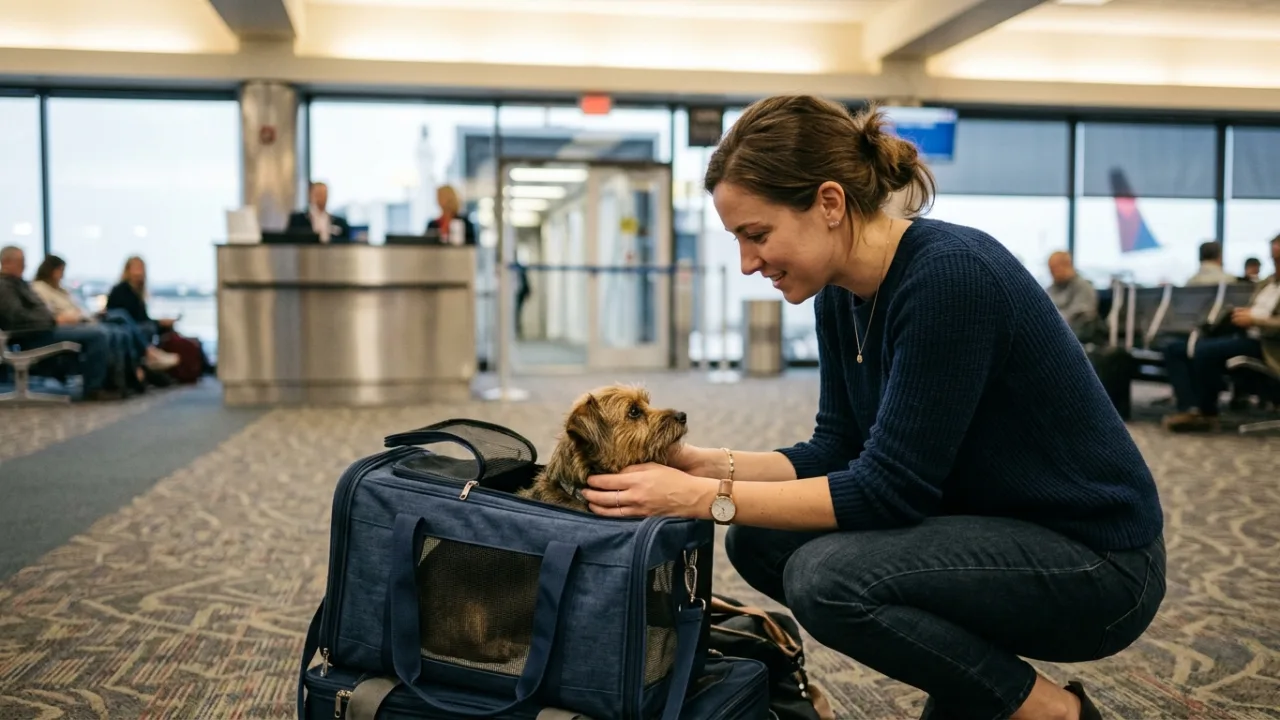
- Get your dog comfortable with the carrier well before travel day. Practice sessions at home reduce anxiety far more effectively than a bigger seat will.
- Confirm carrier dimensions against the specific aircraft, not just the airline’s general policy. Underseat space can differ between aircraft models even within the same airline.
- Avoid feeding a large meal right before the flight. A lighter pre-flight meal reduces the chance of stomach upset during travel.
- Bring familiar-smelling items. A small blanket or toy from home can help ground your dog in an unfamiliar environment far more than lounge access ever could.
- Arrive early and use pre-boarding pet relief areas if available. A dog who’s had a chance to stretch and relieve themselves boards calmer no matter the seat class.
Expert Insight: What Actually Reduces Flight Stress for Dogs
Experienced pet travelers and veterinary professionals consistently point to the same handful of factors as the biggest stress reducers for flying dogs: minimizing total travel time, keeping routines as normal as possible before departure, using a carrier the dog is already comfortable in, and avoiding unnecessary layovers.
None of these hinge on cabin class. A calm, well-prepared dog in economy will almost always have an easier flight than an anxious, under-prepared dog in business class.
That said, your own stress level matters too. If splurging on business class means you’re less rushed, less anxious, and more attentive at the gate, that calmer energy can transfer to your dog. Dogs are remarkably good at picking up on their owner’s tension, so if the upgrade genuinely helps you stay composed, there’s a real — if indirect — benefit.
Trade-Offs and Limitations to Keep in Mind
There’s no universal rule here because airline policies, aircraft configurations, and route-specific restrictions vary constantly. A policy that applies on one aircraft type may not apply on another operated by the same airline. Weather delays, gate changes, and crew discretion can also affect the actual experience regardless of what you booked.
The most reliable approach is always to confirm specifics directly with the airline for your exact flight, rather than relying on general assumptions — including the ones in this article.
Conclusion
Business class can offer a handful of genuine perks for an in-cabin dog — priority boarding, a quieter environment, occasionally more space — but it’s far from a guaranteed upgrade, and plenty of premium cabins don’t even allow pets at all.
For dogs traveling in the cargo hold, cabin class is essentially irrelevant; the conditions are identical no matter what fare the humans paid. The single biggest thing you can do to improve your dog’s flying experience isn’t upgrading your seat — it’s choosing a direct flight, prepping your dog with carrier practice, and confirming every detail of the airline’s pet policy well before you book.
If you’re on the fence about spending extra on a premium fare, put that money toward the things that actually move the needle: a sturdy, well-fitted carrier, a pre-travel vet check, and a nonstop route. Your dog will thank you far more for a shorter, smoother trip than for a wider seat up front.
Ready to Plan Your Dog’s Next Flight?
At All Happy Pets, we’ve walked plenty of pet parents through the maze of airline pet policies, carrier requirements, and pre-flight prep. Explore more of our Air Travel guides to find airline-specific pet policies, packing checklists, and calming techniques so your dog’s next trip — economy, business, or anywhere in between — goes as smoothly as possible.
Frequently Asked Questions
Does flying business class make cargo hold conditions better for my dog?
No. If your dog travels as checked baggage or cargo, they’re in the same hold with the same temperature control and handling procedures regardless of which cabin class you purchased for yourself. The cargo hold isn’t split by fare class.
Can I bring my dog in the cabin if I book a business class seat?
Not always. Many airlines only allow in-cabin pets in economy or main cabin and restrict or ban pets in first and business class due to seat design and space limits. Always confirm directly with the airline before booking an upgrade.
Is it worth paying extra for business class just for my dog’s comfort?
Usually not, unless pets are confirmed to be allowed in that cabin and your dog is especially sensitive to noise or crowds. In most cases, a direct flight, a comfortable carrier, and pre-flight prep help more than a pricier seat.
Do pet fees cost more in business class than economy?
Generally no. Airline pet fees are typically a flat rate per pet per direction and don’t change based on your cabin class, whether the pet travels in-cabin or in cargo.
Does under-seat space for a pet carrier differ between economy and business class?
It can, but not predictably. Some business class seats have more footwell room, while others have less due to entertainment consoles or seat mechanisms. Check the specific aircraft configuration rather than assuming premium always means more space.
What actually reduces stress for a dog flying, if not cabin class?
Direct flights, minimal layovers, carrier practice before travel day, familiar-smelling items in the carrier, and a calm owner all make a bigger difference than seat class. A well-prepared dog in economy typically has an easier flight than an unprepared dog in business class.
Do all airlines ban pets from first and business class?
Not all, but it’s common enough that you should never assume. Policies vary by airline and even by aircraft type, so always call the airline directly and get confirmation before purchasing a premium fare for a flight with your pet.
Should I choose economy over business if my dog is flying in cargo?
Yes, in most cases. Since cargo hold conditions are identical regardless of cabin class, choosing economy and saving the fare difference makes more practical sense than paying a premium that won’t change your dog’s actual travel experience.