If you’ve spent the last hour with seven browser tabs open trying to figure out whether Delta, United, or American will actually let your dog fly in the cargo hold, you’re not alone.
Airline pet policies are scattered across cargo subsidiary websites, buried in PDFs, and updated more often than most people check. This guide pulls it all into one place so you can compare the three major U.S. carriers side-by-side and make the right call for your pet.
Why Pet Cargo Policies Are So Confusing Right Now
Airline pet policies have shifted a lot over the past several years. Some carriers pulled back from shipping pets as checked cargo altogether, citing safety and liability concerns, while others doubled down and built dedicated pet-shipping divisions with climate-controlled vehicles and trained handlers.
That means the information you find in an old blog post, a five-year-old forum thread, or even a friend’s recent experience might not reflect current policy.
Before you book anything, always confirm details directly with the airline’s cargo division or your IATA/IPATA-certified pet shipper — policies, embargoes, and fees change seasonally and sometimes without much notice.
Quick Comparison at a Glance
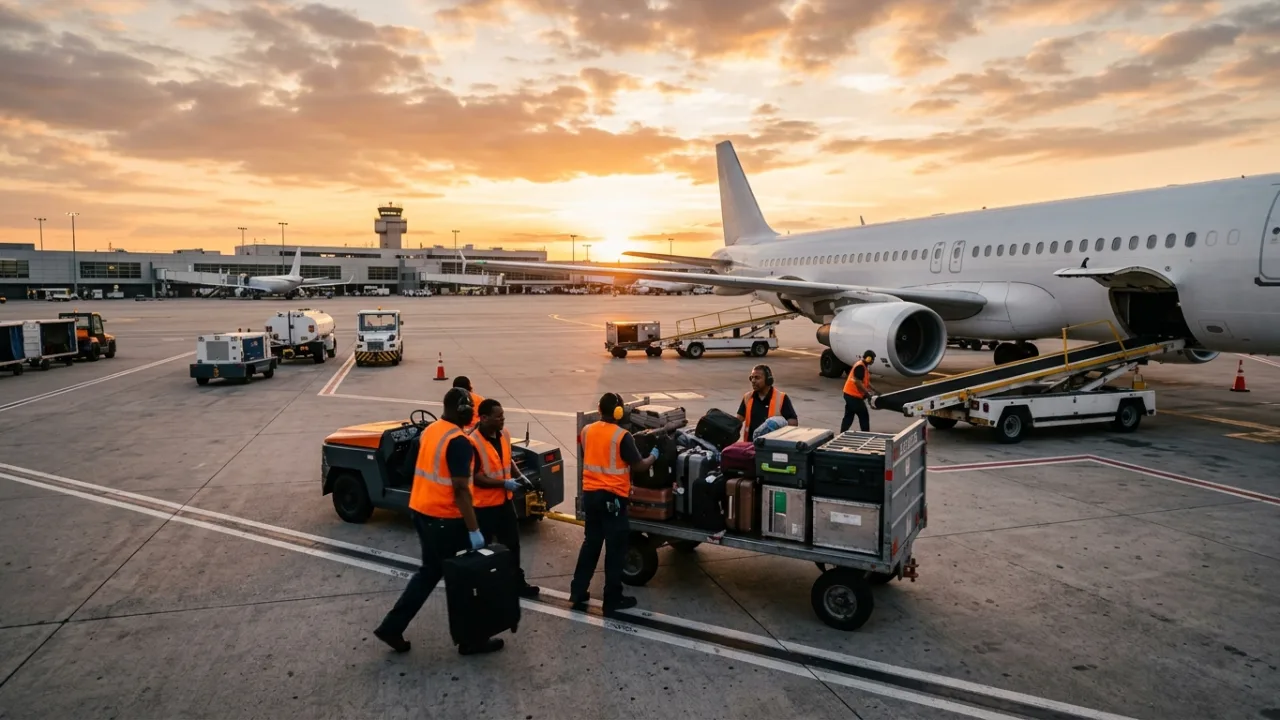
| Airline | Cabin Pets | Cargo Hold Shipping | Best For |
|---|---|---|---|
| Delta | Small cats/dogs in-cabin carrier only | Largely discontinued for general public; narrow military/government relocation exceptions | Small pets flying with their owner in the cabin |
| United | Small cats/dogs in-cabin carrier | Yes, via PetSafe cargo program | Larger dogs or pets that can’t fly in-cabin, active-duty military moves |
| American | Small cats/dogs in-cabin carrier | Yes, via AA Cargo (Cargo.aa.com) | Pets needing cargo transport on domestic and select international routes |
Delta Air Lines: Pet Travel Policy
Flying With Your Pet in the Cabin
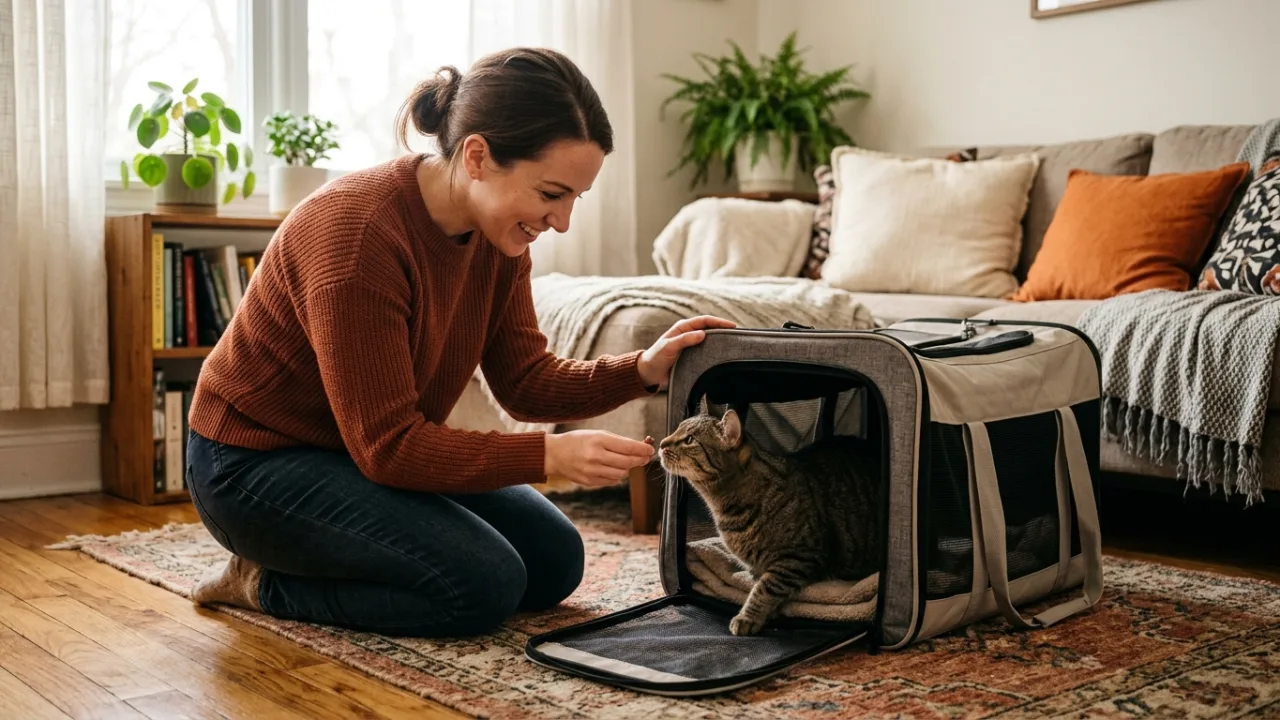
Delta allows small dogs and cats to travel in the cabin in an approved carrier that fits under the seat in front of you, for a per-leg pet fee. Your pet counts as your one carry-on item, and reservations are limited per flight, so book the pet spot as early as possible — sometimes at the same time you book your own ticket.
Cargo Hold Shipping
This is where Delta differs most from United and American: Delta stepped away from shipping pets as unaccompanied cargo for the general public. If your pet doesn’t fit safely under the seat, Delta generally isn’t going to be an option for that trip — you’ll need to look at United or American, or a specialized pet relocation service that uses cargo airlines built specifically for live animal transport.
Military & Government Relocation Exception
Delta has historically maintained limited allowances for active-duty military personnel and U.S. government employees relocating under official orders. These programs come with their own paperwork, crate, and booking requirements and are not the same as a general public cargo booking. If this applies to you, contact Delta Cargo directly rather than trying to book a standard reservation.
United Airlines: PetSafe Program
Flying With Your Pet in the Cabin
Like Delta, United lets small cats and dogs fly in-cabin in a carrier that fits under the seat, for a fee, with limited spots per flight. Book this early — cabin pet spots fill up fast on popular routes.
Cargo Hold Shipping via PetSafe
United’s PetSafe program is the most robust cargo pet-shipping option among the three airlines. It’s designed specifically for shipping pets as cargo (not as checked baggage attached to your own itinerary) and includes features like climate-controlled vehicles moving pets between the check-in counter and the aircraft, and priority loading/unloading. PetSafe accepts dogs, cats, and some other small animals, subject to breed, weight, and age restrictions.
Breed & Temperature Restrictions
United restricts or refuses cargo shipment of snub-nosed (brachycephalic) breeds — think Bulldogs, Pugs, Boxers, Persian and Himalayan cats (see: snub-nosed breeds banned from cargo) — because these breeds are at higher risk of breathing difficulty under travel stress.
United also enforces temperature embargoes: if the forecasted temperature at any point in the pet’s journey (origin, layover, or destination) falls outside a safe range, the shipment will be delayed or refused. This is a safety measure, not an inconvenience the airline invented — extreme heat or cold in a cargo hold or on the tarmac is genuinely dangerous for animals.
American Airlines: AA Cargo Pet Shipping
Flying With Your Pet in the Cabin
American allows small cats and dogs in an approved in-cabin carrier for a fee, following the same general under-the-seat rule as Delta and United. Cabin spots are limited per flight, so reserve early.
Cargo Shipping via AA Cargo
American ships pets as cargo through its dedicated cargo division, separate from passenger reservations. This means you’ll typically book the shipment through Cargo.aa.com or by working with a pet shipping agent rather than through the regular ticketing site.
Pets travel with an assigned kennel/crate that meets IATA Live Animal Regulations, and owners (or their designated shipper) must drop off and pick up at cargo facilities, which aren’t always at the passenger terminal.
Restrictions to Know
American also restricts snub-nosed breeds from cargo travel and applies seasonal temperature embargoes similar to United’s. Age minimums apply too — very young puppies and kittens generally aren’t accepted until they’re old enough to handle travel safely. Live animal shipments may also be limited to certain routes and aircraft types, so not every American Airlines flight can carry cargo pets.
Side-by-Side: Detailed Policy Comparison
| Feature | Delta | United | American |
|---|---|---|---|
| In-cabin pets | Yes (small dogs/cats) | Yes (small dogs/cats) | Yes (small dogs/cats) |
| General public cargo hold shipping | No (discontinued for most travelers) | Yes — PetSafe program | Yes — AA Cargo |
| Military/government relocation exception | Limited exceptions | Available | Available |
| Snub-nosed breed restrictions | N/A (cargo not offered) | Restricted/refused | Restricted/refused |
| Temperature embargoes | N/A for cargo; cabin pets still subject to weather delays | Yes, seasonal | Yes, seasonal |
| Crate standard | IATA-compliant for cabin carrier size | IATA Live Animal Regulations crate | IATA Live Animal Regulations crate |
| Booking channel for cargo | N/A | United PetSafe site/customer service | Cargo.aa.com or cargo agent |
| Health certificate required | Yes, for cabin travel per destination rules | Yes | Yes |
Crate Requirements: What All Three Airlines Expect
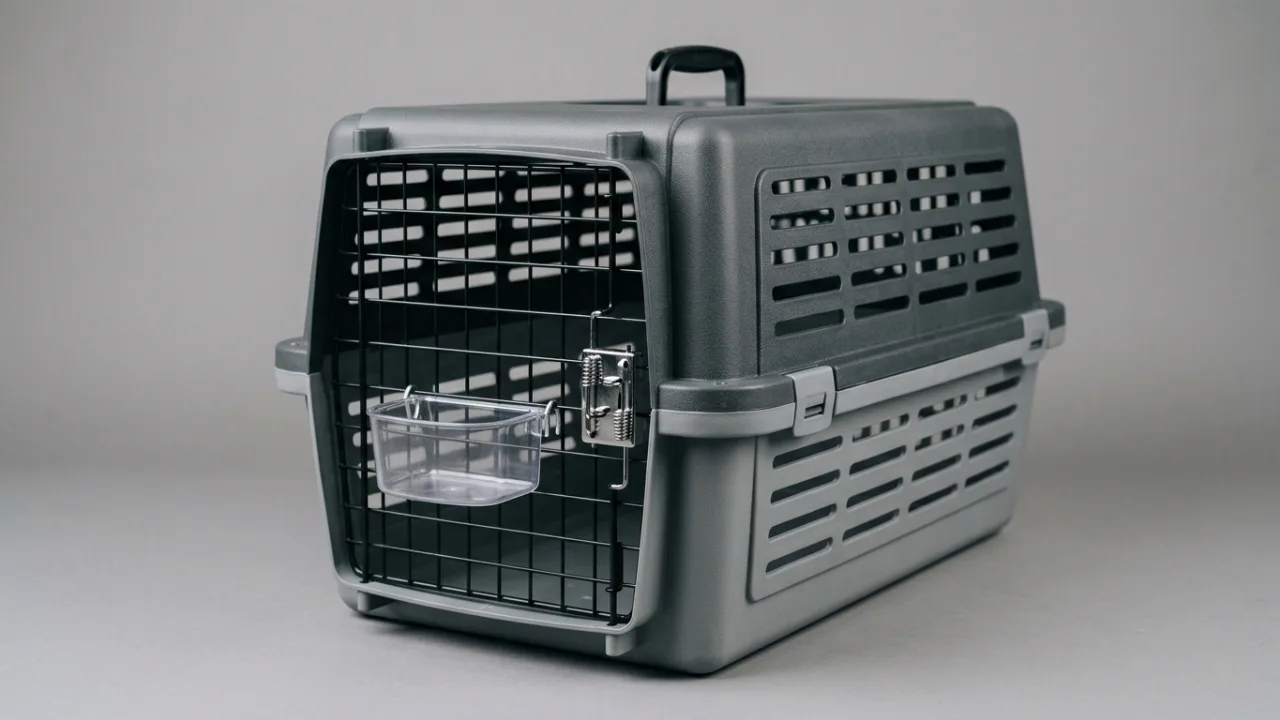
Regardless of which airline you fly, cargo crates need to meet international live animal transport standards. (see: IATA-compliant crates) A few universal expectations you’ll run into with United, American, or any airline still shipping pets:
- Size: Your pet must be able to stand, turn around, and lie down naturally inside the crate without touching the top, sides, or ceiling.
- Material: Hard-sided, well-ventilated crates are required for cargo; soft-sided carriers are typically for cabin use only.
- Hardware: Metal door hardware (not plastic snap-latches) is often required, along with functioning bolts on all four corners.
- Bedding & absorbent lining: Airlines usually require absorbent material in the crate in case of accidents during transit.
- Food and water dishes: Attached, accessible dishes are typically mandatory for cargo shipments, especially on longer routes.
- Labeling: Live Animal stickers, this-side-up arrows, and your contact information should be clearly visible on the outside of the crate.
Buy or confirm your crate size well before your travel date — a crate that’s rejected at check-in can mean a missed flight, and airlines are strict about this because an ill-fitting crate is a genuine safety issue, not just a paperwork technicality.
What You’ll Actually Pay
Costs vary widely based on your pet’s size and crate dimensions, the distance traveled, whether you’re booking directly or through a professional pet shipper, and current fuel surcharges. As a general rule of thumb:
- In-cabin pet fees tend to be the least expensive option, charged per one-way trip.
- Cargo hold shipping (United PetSafe, American AA Cargo) is priced by weight and crate size, and international routes cost meaningfully more than domestic ones.
- Additional costs can include health certificates from your vet, crate purchase, and any pet shipping agent fees if you don’t want to handle drop-off/pick-up logistics yourself.
Because pricing structures change and vary by route, get a current quote directly from the airline’s cargo division or a licensed pet shipping agent before you commit to a travel date.
Common Mistakes Pet Owners Make When Booking Cargo Travel
1. Assuming All Airlines Still Ship Pets in Cargo
This is the single biggest mix-up right now. Owners assume Delta works the same way it always has and are caught off guard when a cargo booking isn’t available. Confirm cargo availability with the specific airline before you plan a whole trip around it.
2. Booking the Flight Before Confirming Pet Space
Cabin pet spots and cargo capacity are both limited per flight. Booking your own seat first and then discovering there’s no pet space left is a frustrating and avoidable mistake — always confirm the pet reservation first or simultaneously.
3. Ignoring Seasonal Temperature Embargoes
Summer heat and winter cold both trigger embargoes at many hub airports. If you’re shipping a pet as cargo during peak summer or deep winter, build flexibility into your schedule in case the shipment gets delayed a day or rerouted through a different city.
4. Choosing the Wrong Crate Size
Too small is unsafe and will be rejected. Too large can also be rejected because it doesn’t secure the pet properly during turbulence. Measure your pet’s length (nose to base of tail), height (floor to top of head or ears, whichever is taller), and width, then size up according to the airline’s published formula.
5. Skipping the Health Certificate Deadline
Most airlines and destinations require a veterinary health certificate issued within a specific window before travel — often just a few days. Getting this appointment scheduled too late is a common last-minute panic point.
6. Not Acclimating the Pet to the Crate
Pets who’ve never spent time in their travel crate before the trip are far more stressed during transport. Start crate training weeks in advance with treats, meals, and short practice periods. (see: acclimating your dog to the crate)
Tips From Experienced Pet Owners and Shippers
- Fly direct whenever possible. Fewer layovers means fewer handling transfers and less exposure to tarmac temperature swings.
- Travel during shoulder seasons or early morning/late evening in summer. This helps avoid the hottest part of the day when temperature embargoes are most likely to kick in.
- Freeze a water dish attached to the crate. Ice melts gradually during transit, giving your pet water without it sloshing out during loading.
- Attach a recent photo and detailed contact info to the crate. If anything goes sideways with paperwork, ground staff can quickly confirm the right pet with the right owner.
- Consider a licensed pet shipping agent for cargo bookings. They know current embargo rules, required paperwork, and drop-off procedures at cargo terminals, which are often in a different location than passenger check-in.
- Call the airline’s cargo line, not the passenger line. Pet cargo bookings for United and American are handled by their cargo divisions, which have different staff, systems, and sometimes different websites than passenger reservations.
When Cargo Isn’t the Right Choice
Cargo travel isn’t automatically the wrong choice, but it isn’t right for every pet either. Brachycephalic breeds, senior pets with health conditions, very young puppies or kittens, and pets with significant anxiety may be safer with an alternative:
- In-cabin travel if your pet is small enough to fit under the seat.
- Ground transportation via a professional pet relocation service using climate-controlled vehicles, for shorter distances.
- Dedicated pet charter or live-animal cargo airlines that specialize exclusively in animal transport, sometimes with more flexible breed acceptance and hands-on care during layovers.
- Delaying travel until temperature conditions or your pet’s age/health status make cargo transport safer.
Talk to your veterinarian honestly about whether your specific pet is a good candidate for cargo travel at all — breed, age, anxiety level, and any respiratory or heart conditions all factor into that decision more than which airline you pick.
Putting It All Together
If your pet fits comfortably in an under-seat carrier, all three airlines offer a fairly similar in-cabin experience — the main differences come down to fees and how far in advance you need to reserve a spot. If your pet needs to travel in the cargo hold, Delta currently isn’t an option for most travelers, while United’s PetSafe program and American’s AA Cargo both offer dedicated pet-shipping infrastructure, each with their own breed restrictions, temperature embargoes, and crate standards. Because these policies shift, the smartest move is to treat this article as your starting checklist, then confirm every detail — crate specs, embargo dates, fees, and required paperwork — directly with the airline’s cargo division before you book.
Conclusion & Next Steps
Choosing between Delta, United, and American for pet travel really comes down to one question: does your pet need the cabin or the cargo hold? Once you know that, the rest of the decision gets much simpler.
Small pets flying in-cabin have solid options with all three airlines. Pets needing cargo transport should focus on United PetSafe or American AA Cargo, factoring in breed restrictions and seasonal temperature limits. Whichever airline you choose, give yourself extra lead time for crate training, vet paperwork, and booking — pet travel logistics almost always take longer than people expect.
Ready to plan your pet’s trip? Bookmark this comparison, call the airline’s cargo or reservations line to confirm current policy for your exact route, and start your pet’s crate training at least two to three weeks before travel day. Your pet’s comfort on the day of the flight starts with the prep work you do today.
Frequently Asked Questions
Does Delta still ship pets in the cargo hold?
Generally, no. Delta has moved away from shipping pets as cargo for most travelers and now focuses on allowing small cats and dogs to fly in the cabin in an approved carrier. There are narrow exceptions for active-duty military and government employees relocating under official orders, but this isn’t available as a standard public booking. Confirm directly with Delta Cargo if you believe you qualify for an exception.
Which airline is best for shipping a large dog that can’t fly in the cabin?
Between the three major carriers, United’s PetSafe program and American’s AA Cargo both offer dedicated cargo shipping for larger pets, unlike Delta. Your best choice depends on your route, your dog’s breed, and current temperature embargoes at your departure and arrival cities, so get quotes and availability from both before deciding.
Can snub-nosed breeds like Bulldogs or Pugs fly as cargo on United or American?
Both United and American restrict or refuse cargo shipment of brachycephalic (snub-nosed) breeds, including Bulldogs, Pugs, Boxers, and flat-faced cat breeds like Persians, because these breeds have a higher risk of breathing difficulty under travel stress. If you have a snub-nosed pet, ask about in-cabin travel or ground transportation alternatives instead.
What is a temperature embargo and why does it affect my pet’s flight?
A temperature embargo is a safety restriction airlines apply when forecasted temperatures at the origin, layover, or destination airport fall outside a safe range for animals traveling in the cargo hold. If temperatures are too hot or too cold anywhere along the route, the airline will delay, reroute, or refuse the pet shipment to protect the animal, typically during peak summer and winter months.
How far in advance should I book a pet’s spot on a flight?
Book as early as possible, ideally when you book your own ticket. In-cabin pet spots are limited per flight on Delta, United, and American, and cargo capacity through United PetSafe or American AA Cargo is also limited by route and aircraft type. Waiting until close to your travel date significantly increases the risk of no availability.
What crate does my pet need for cargo travel?
Cargo-bound pets need a hard-sided, well-ventilated crate that meets IATA Live Animal Regulations, sized so your pet can stand, turn around, and lie down naturally without touching the sides or top. Metal door hardware, absorbent lining, attached food and water dishes, and visible Live Animal labeling are typically required by both United and American.
Do I need a health certificate to fly with my pet?
Yes, most airlines and destinations require a veterinary health certificate issued within a specific window before departure, often just a few days. Requirements can vary by destination, especially for international travel, so schedule your vet appointment early and confirm the exact certificate rules for your specific route with the airline.
Is it cheaper to fly a pet in the cabin or ship them as cargo?
In-cabin pet fees are generally less expensive than cargo shipping because cargo pricing is based on crate size, weight, and distance, and often includes additional handling and facility fees. However, in-cabin travel is only an option for pets small enough to fit in an under-seat carrier, so cost isn’t the only factor to weigh.